

Více o knize
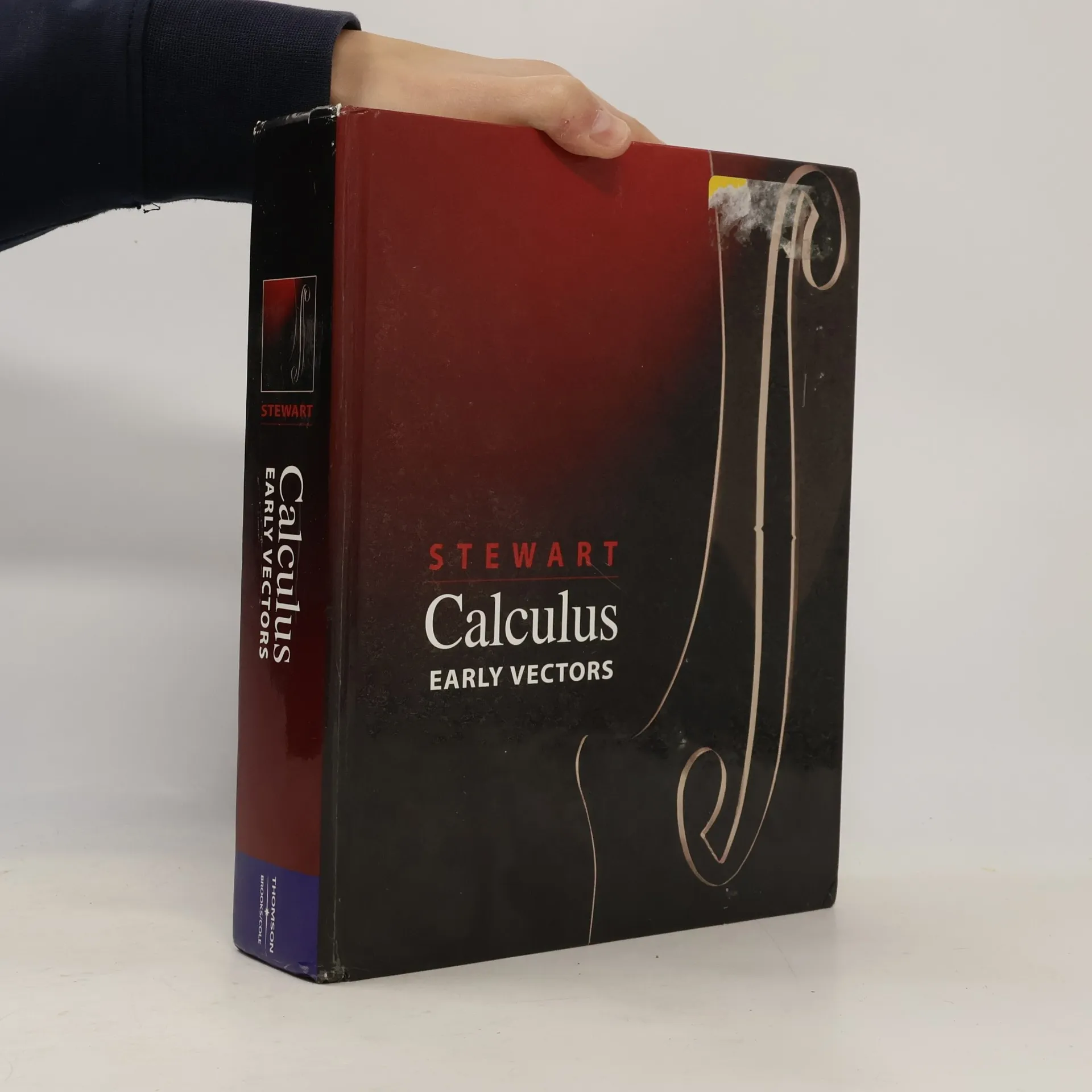
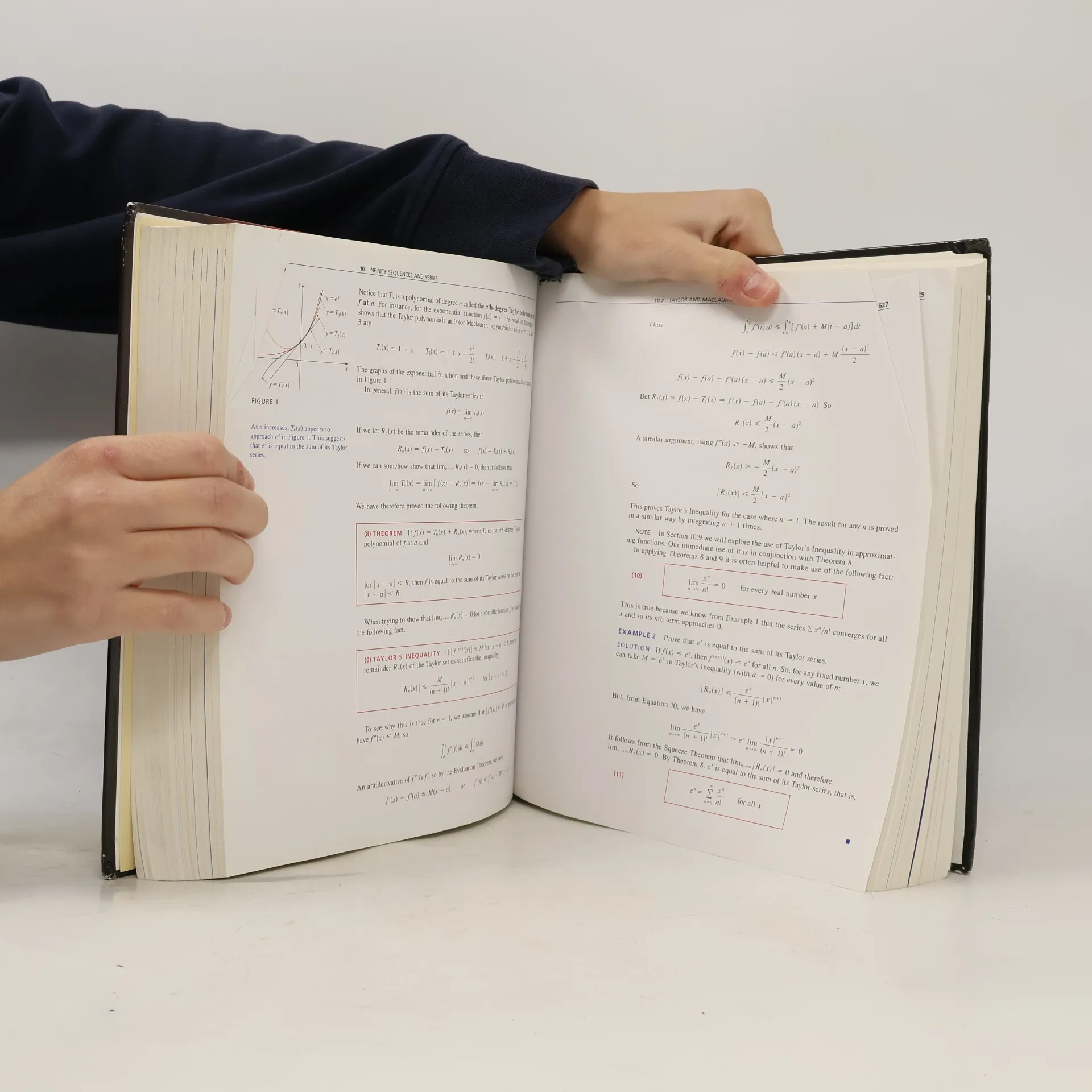
Once again keeping a keen ear to the needs of the evolving calculus community, Stewart created this text at the suggestion and with the collaboration of professors in the mathematics department at Texas A&M University. With an early introduction to vectors and vector functions, the approach is ideal for engineering students who use vectors early in their curriculum. Stewart begins by introducing vectors in Chapter 1, along with their basic operations, such as addition, scalar multiplication, and dot product. The definition of vector functions and parametric curves is given at the end of Chapter 1 using a two-dimensional trajectory of a projectile as motivation. Limits, derivatives, and integrals of vector functions are interwoven throughout the subsequent chapters. As with the other texts in his Calculus series, in Early Vectors Stewart makes us of heuristic examples to reveal calculus to students. His examples stand out because they are not just models for problem solving or a means of demonstrating techniques - they also encourage students to develop an analytic view of the subject. This heuristic or discovery approach in the examples give students an intuitive feeling for analysis.


Nákup knihy
Calculus, James Stewart
- Jazyk

- Rok vydání
- 2003
- Vazba
- (pevná)
Tady nám chybí tvá recenze.
- Titul
- Calculus
- Podtitul
- Early Vectors
- Jazyk
- anglicky
- Autoři
- James Stewart
- Vydavatel
- Cengage Learning
- Rok vydání
- 2003
- Vazba
- pevná
- Počet stran
- 1120
- ISBN10
- 0534493483
- ISBN13
- 9780534493486
- Série
- Kategorie
- Hodnocení
- 4 z 5
- Anotace
- Once again keeping a keen ear to the needs of the evolving calculus community, Stewart created this text at the suggestion and with the collaboration of professors in the mathematics department at Texas A&M University. With an early introduction to vectors and vector functions, the approach is ideal for engineering students who use vectors early in their curriculum. Stewart begins by introducing vectors in Chapter 1, along with their basic operations, such as addition, scalar multiplication, and dot product. The definition of vector functions and parametric curves is given at the end of Chapter 1 using a two-dimensional trajectory of a projectile as motivation. Limits, derivatives, and integrals of vector functions are interwoven throughout the subsequent chapters. As with the other texts in his Calculus series, in Early Vectors Stewart makes us of heuristic examples to reveal calculus to students. His examples stand out because they are not just models for problem solving or a means of demonstrating techniques - they also encourage students to develop an analytic view of the subject. This heuristic or discovery approach in the examples give students an intuitive feeling for analysis.