



Více o knize
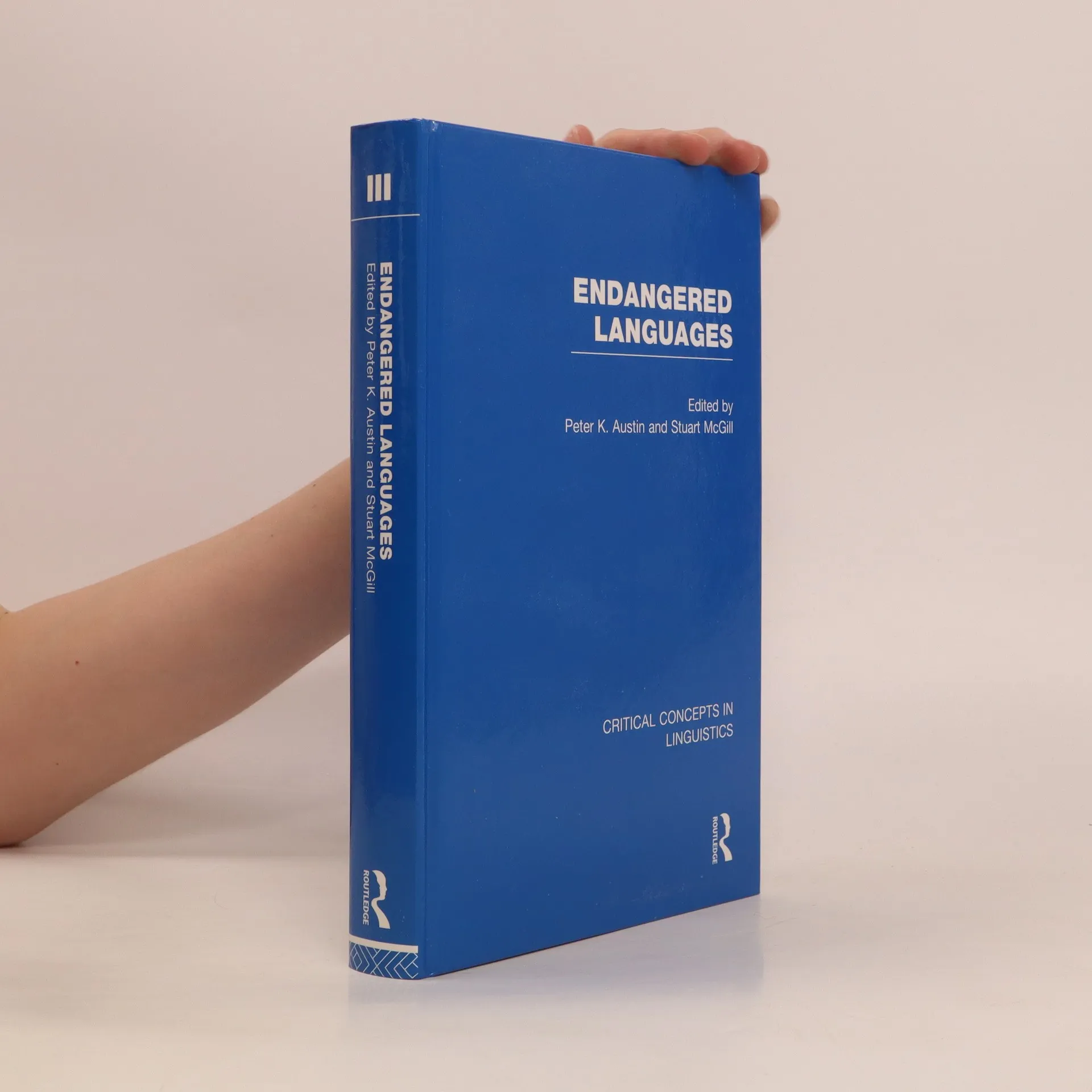
Most of the seven thousand languages spoken today are at risk of disappearing in the 21st century. While languages have always evolved, the current rate of extinction is unprecedented, affecting communities and diminishing global linguistic heritage. This crisis has prompted various responses from linguists: sociolinguists focus on language revitalization, aiming to reverse the shift away from minority languages, while general linguists examine the structural changes occurring as languages decline. Recently, there has been a heightened emphasis on language documentation, which involves capturing and archiving audiovisual recordings of languages before they vanish. Additionally, linguists face ethical dilemmas regarding their involvement in non-academic support for the communities they study. The exploration of language endangerment is a relatively new subfield in linguistics, and this comprehensive four-volume collection is the first of its kind, compiling research from leading scholars over the past sixty years. An introductory overview by the editors outlines the main challenges in the field, with specific volume introductions providing context for individual articles. This work serves as an essential reference for researchers and students engaged in language endangerment and related disciplines.
Nákup knihy
Endangered languages III: critical concepts in linguistics, Peter Austin, Stuart McGill
- Jazyk

- Rok vydání
- 2012
- Vazba
- (pevná)
Nikdo zatím neohodnotil.
- Titul
- Endangered languages III: critical concepts in linguistics
- Jazyk
- anglicky
- Autoři
- Peter Austin, Stuart McGill
- Vydavatel
- Routledge
- Rok vydání
- 2012
- Vazba
- pevná
- Počet stran
- 400
- ISBN10
- 0415455898
- ISBN13
- 9780415455893
- Série
- Kategorie
- Anotace
- Most of the seven thousand languages spoken today are at risk of disappearing in the 21st century. While languages have always evolved, the current rate of extinction is unprecedented, affecting communities and diminishing global linguistic heritage. This crisis has prompted various responses from linguists: sociolinguists focus on language revitalization, aiming to reverse the shift away from minority languages, while general linguists examine the structural changes occurring as languages decline. Recently, there has been a heightened emphasis on language documentation, which involves capturing and archiving audiovisual recordings of languages before they vanish. Additionally, linguists face ethical dilemmas regarding their involvement in non-academic support for the communities they study. The exploration of language endangerment is a relatively new subfield in linguistics, and this comprehensive four-volume collection is the first of its kind, compiling research from leading scholars over the past sixty years. An introductory overview by the editors outlines the main challenges in the field, with specific volume introductions providing context for individual articles. This work serves as an essential reference for researchers and students engaged in language endangerment and related disciplines.