

Více o knize
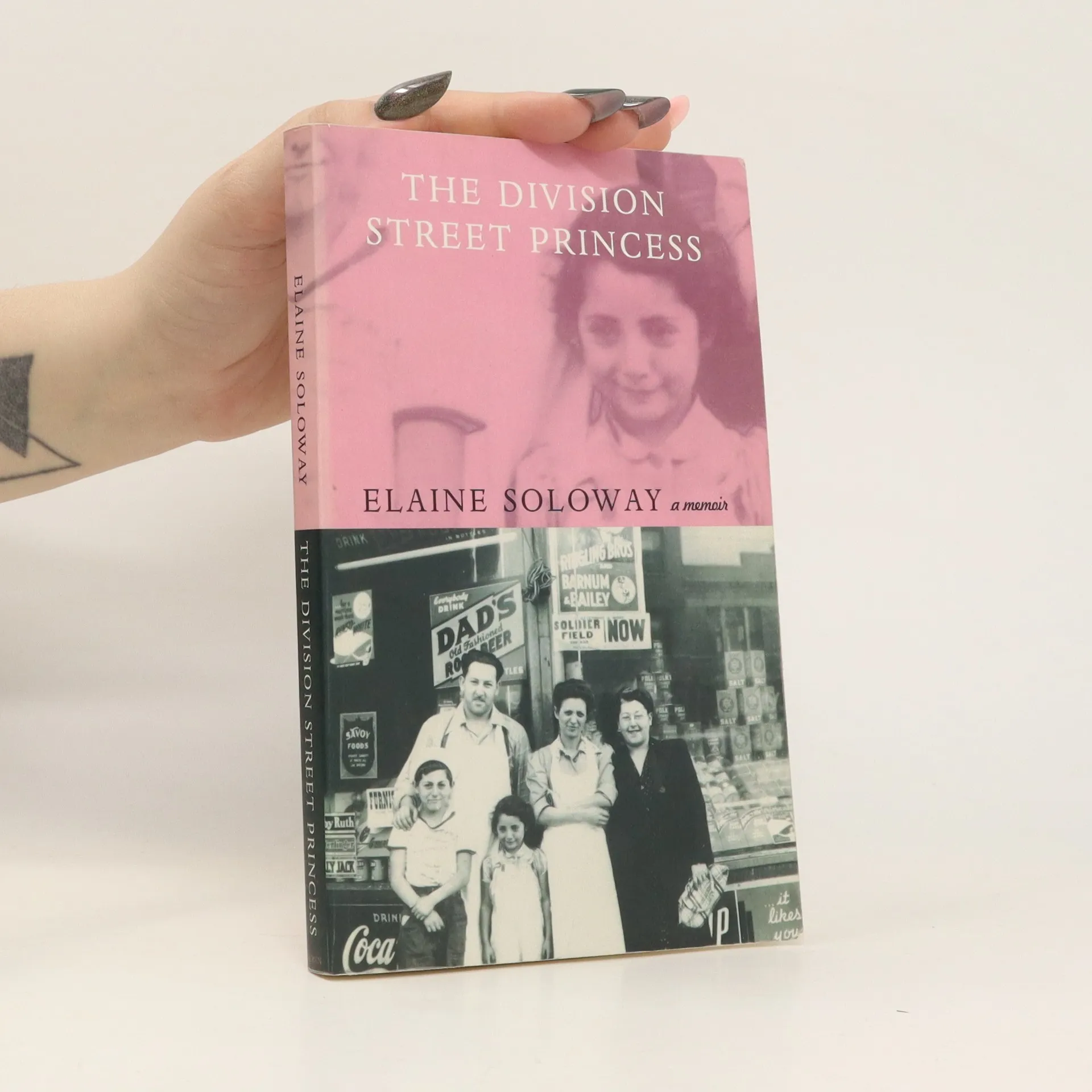
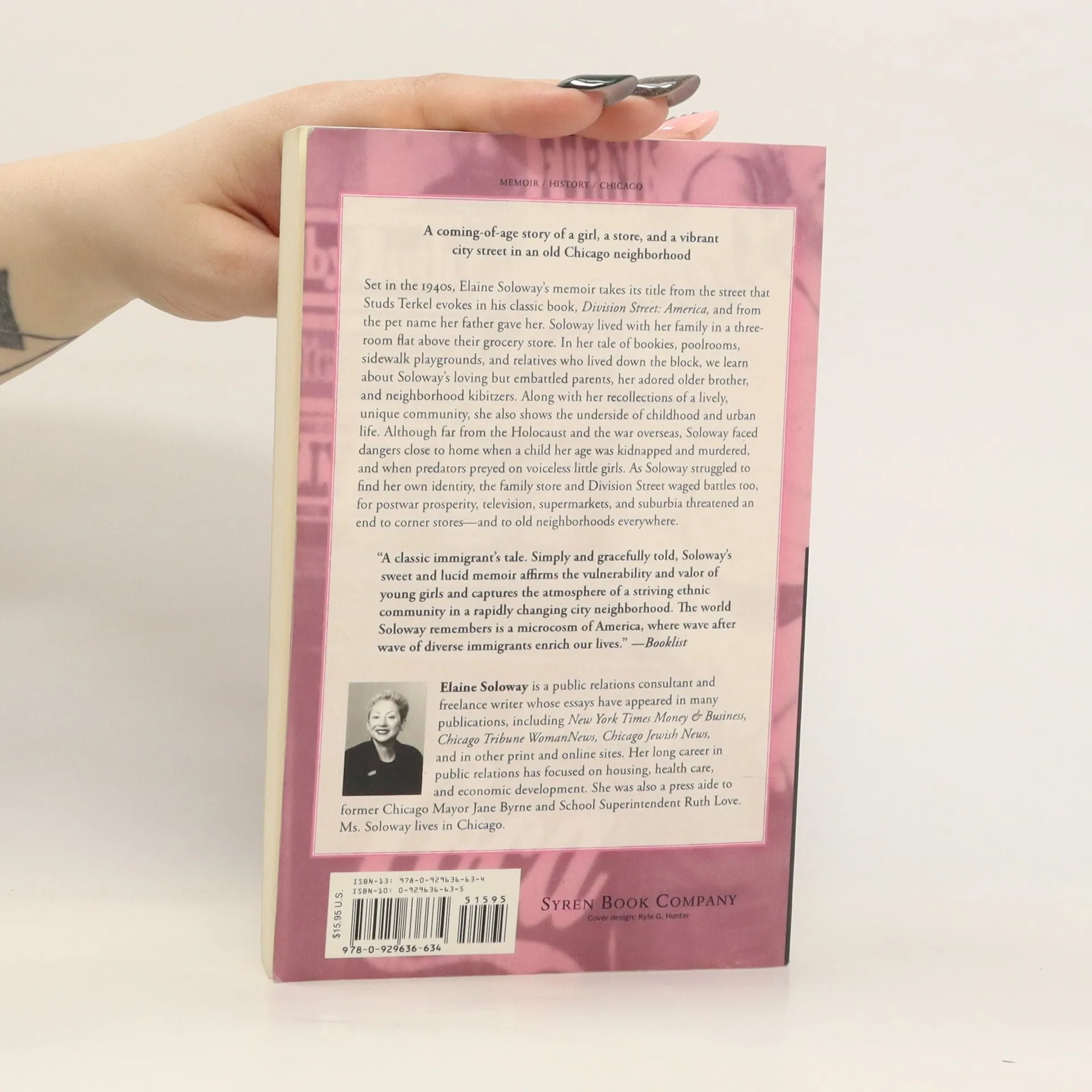
Set in the 1940s, Elaine Soloway's memoir takes its title from the street that Studs Terkel exalts in his classic book, "Division Street: America" and from the pet name her father gave her. Soloway lived in a three-room flat above her family's grocery store. In her tale of bookies, poolrooms, sidewalk playgrounds, and relatives who lived down the block, we learn about her loving but embattled parents, her adored older brother, and neighborhood kibitzers. Along with her recollections of a lively, unique community, she also shows the underside of childhood and urban life. Although far from the Holocaust and the war overseas, Soloway faced dangers close to home when a child her age was horribly murdered, and when predators preyed on voiceless little girls. As Soloway struggled to find her own identity, the family store and Division Street waged battles too: for post-war prosperity, television, supermarkets, and suburbia threatened an end to corner stores and to old neighborhoods everywhere.
Nákup knihy
The Division Street Princess, Elaine Soloway
- Jazyk

- Rok vydání
- 2006
- Vazba
- (měkká)
Doručení
Platební metody
Tady nám chybí tvá recenze.
- Titul
- The Division Street Princess
- Jazyk
- anglicky
- Autoři
- Elaine Soloway
- Vydavatel
- Syren Book Company
- Rok vydání
- 2006
- Vazba
- měkká
- Počet stran
- 240
- ISBN10
- 0929636635
- ISBN13
- 9780929636634
- Série
- Štítky
- Hodnocení
- 3,6 z 5
- Anotace
- Set in the 1940s, Elaine Soloway's memoir takes its title from the street that Studs Terkel exalts in his classic book, "Division Street: America" and from the pet name her father gave her. Soloway lived in a three-room flat above her family's grocery store. In her tale of bookies, poolrooms, sidewalk playgrounds, and relatives who lived down the block, we learn about her loving but embattled parents, her adored older brother, and neighborhood kibitzers. Along with her recollections of a lively, unique community, she also shows the underside of childhood and urban life. Although far from the Holocaust and the war overseas, Soloway faced dangers close to home when a child her age was horribly murdered, and when predators preyed on voiceless little girls. As Soloway struggled to find her own identity, the family store and Division Street waged battles too: for post-war prosperity, television, supermarkets, and suburbia threatened an end to corner stores and to old neighborhoods everywhere.