

Více o knize
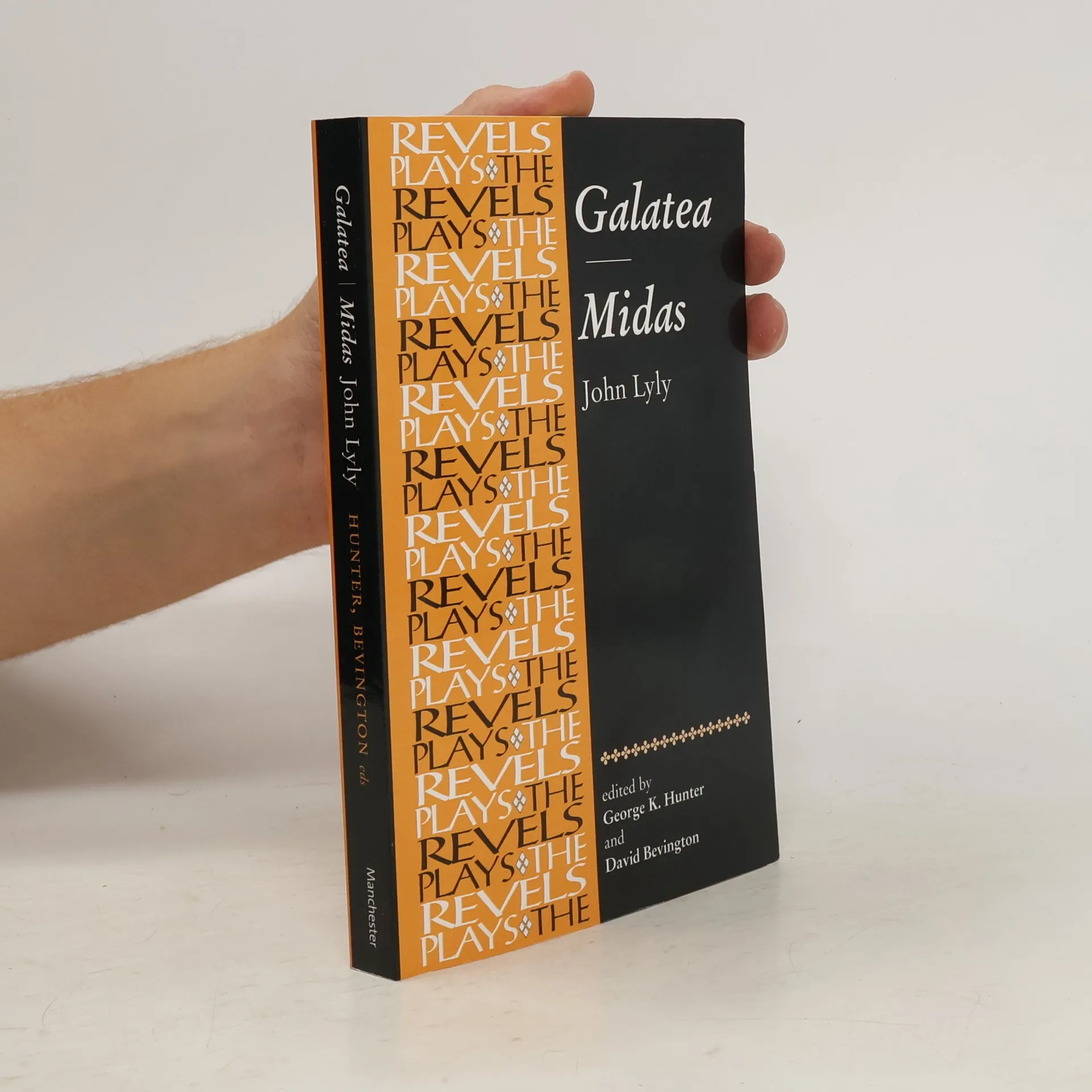
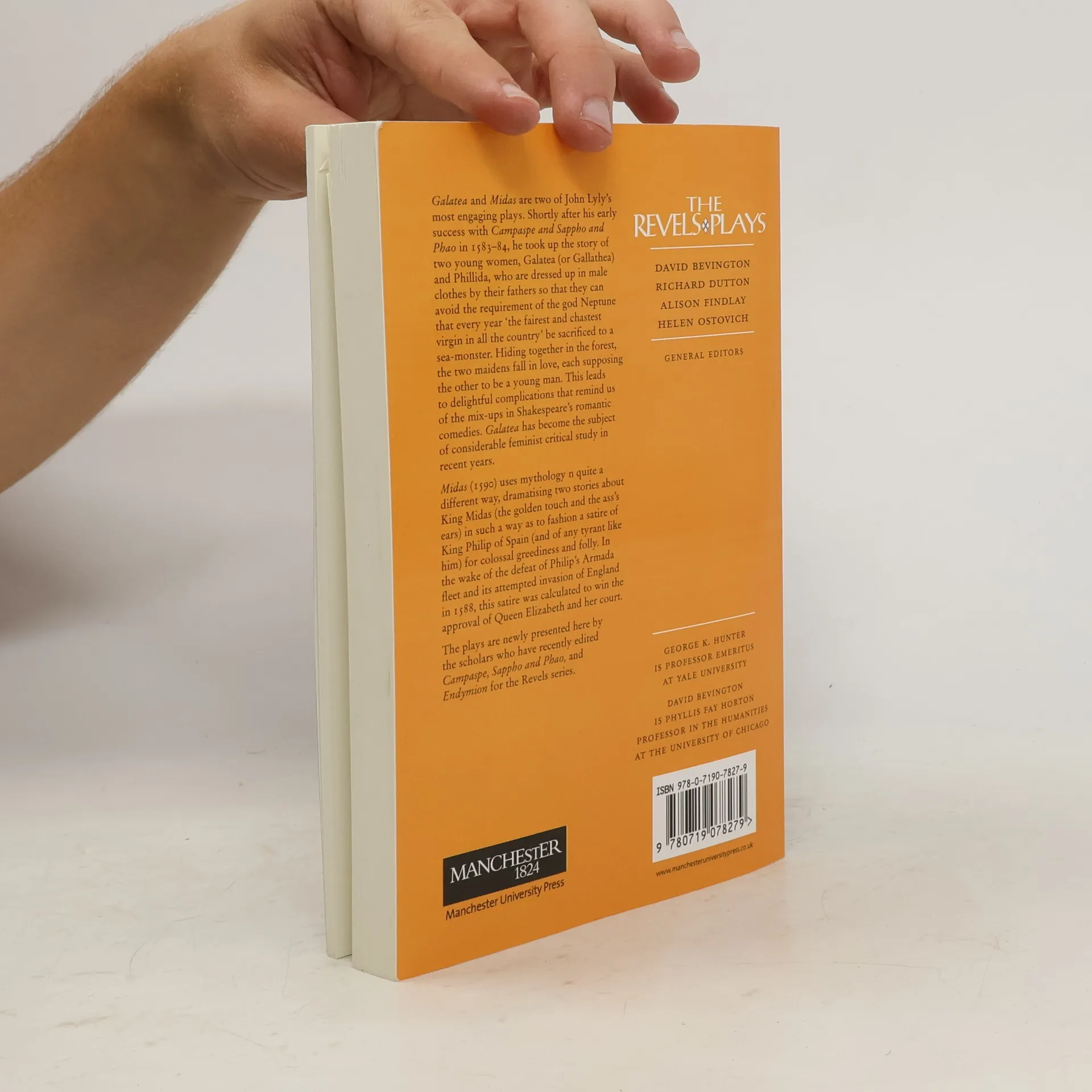
Galatea and Midas are two of John Lyly's most engaging plays. Shortly after his early success with Campaspe and Sappho and Phao in 1583-4, he took up the story of two young women, Galatea (or Gallathea) and Phillida who are dressed up in male clothes by their fathers so that they can avoid the requirement of the god Neptune that every year "the fairest and chastest virgin in all the country" be sacrificed to a sea-monster. Hiding together in the forest, the two maidens fall in love, each supposing the other to be a young man. Galatea has become the subject of considerable feminist critical study in recent years. Midas (1590) uses mythology in quite a different way, dramatizing two stories about King Midas (the golden touch and the ass's ears) in such a way as to fashion a satire of King Philip of Spain (and of any tyrant like him) for colossal greediness and folly. In the wake of the defeat of Philip's Armada fleet and its attempted invasion of England in 1588, this satire was calculated to win the approval of Queen Elizabeth and her court. The plays are newly presented here by the scholars who have recently edited Campaspe, Sappho and Phao, and Endymion for the Revels series.
Nákup knihy
Galatea and Midas, David Martin Bevington, George K. Hunter
- Jazyk

- Rok vydání
- 2008
- Vazba
- (měkká)
Doručení
Platební metody
Tady nám chybí tvá recenze.
- Titul
- Galatea and Midas
- Podtitul
- John Lyly
- Jazyk
- anglicky
- Vydavatel
- Manchester University Press
- Rok vydání
- 2008
- Vazba
- měkká
- Počet stran
- 304
- ISBN10
- 071907827X
- ISBN13
- 9780719078279
- Série
- Štítky
- Britská literatura, Mytologie, Divadelní hry
- Hodnocení
- 3,8 z 5
- Anotace
- Galatea and Midas are two of John Lyly's most engaging plays. Shortly after his early success with Campaspe and Sappho and Phao in 1583-4, he took up the story of two young women, Galatea (or Gallathea) and Phillida who are dressed up in male clothes by their fathers so that they can avoid the requirement of the god Neptune that every year "the fairest and chastest virgin in all the country" be sacrificed to a sea-monster. Hiding together in the forest, the two maidens fall in love, each supposing the other to be a young man. Galatea has become the subject of considerable feminist critical study in recent years. Midas (1590) uses mythology in quite a different way, dramatizing two stories about King Midas (the golden touch and the ass's ears) in such a way as to fashion a satire of King Philip of Spain (and of any tyrant like him) for colossal greediness and folly. In the wake of the defeat of Philip's Armada fleet and its attempted invasion of England in 1588, this satire was calculated to win the approval of Queen Elizabeth and her court. The plays are newly presented here by the scholars who have recently edited Campaspe, Sappho and Phao, and Endymion for the Revels series.