
A fresh look at a play usually regarded as the first component of a three-part historical epic, this edition argues that King Henry VI Part 1 is a prequel, a free-standing piece that returns for ironic and dramatic effect to a story already familiar to its audience. The play's ingenious use of stage space is closely analysed, as is its manipulation of a series of setpiece combats to give a coherent syntax of action. Discussion of the dramatic structure created by the opposing figures of Talbot and Jeanne la Pucelle, and exploration of the critical controversies surrounding the figure of Jeanne, lead to a reflection on the nature of the history play as genre in the 1590s.
David Martin Bevington Knihy


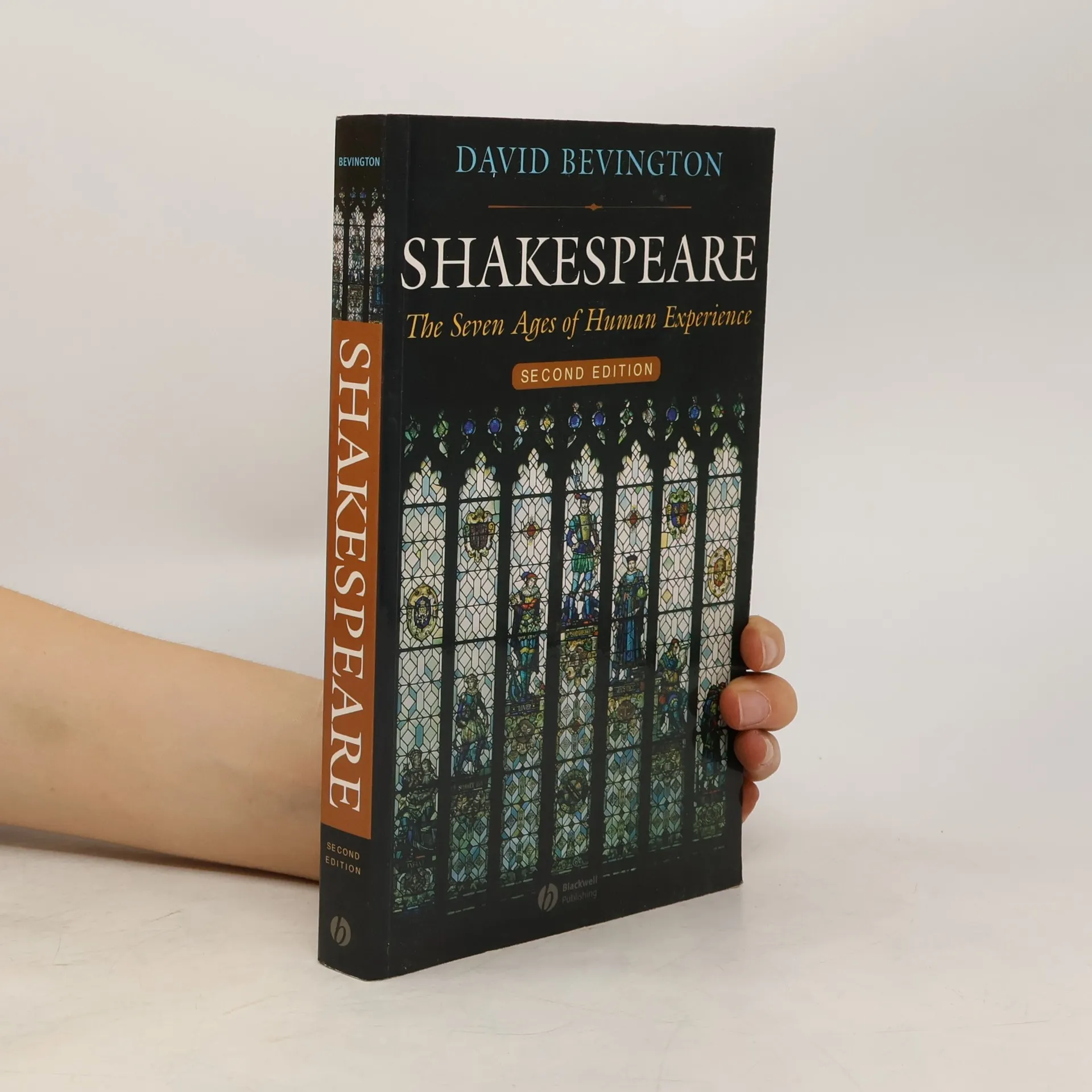
The extended second edition of this inspiring introduction to Shakespeare offers readers more insights into what makes Shakespeare great, and why we still read and perform his works.
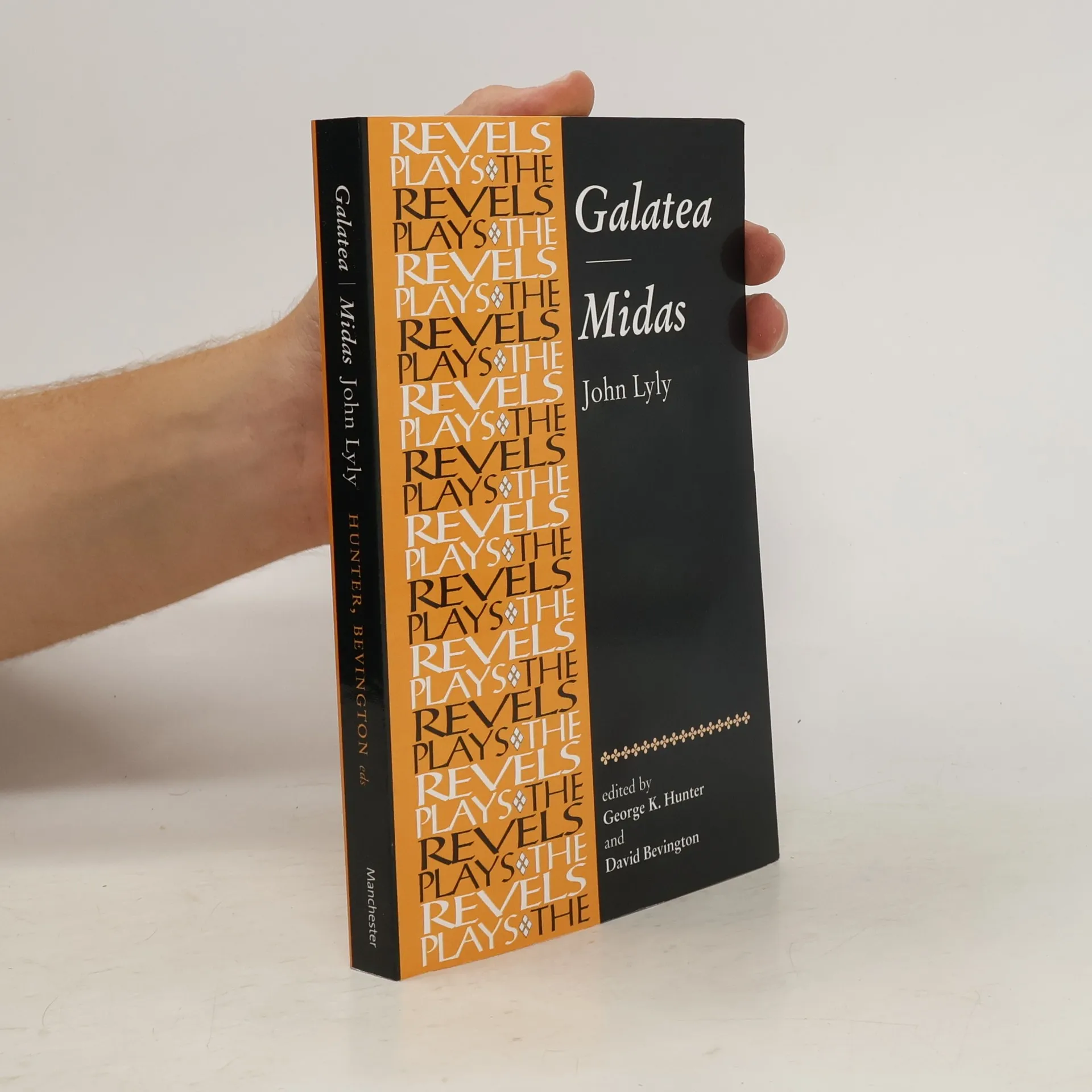
Galatea and Midas are two of John Lyly's most engaging plays. Shortly after his early success with Campaspe and Sappho and Phao in 1583-4, he took up the story of two young women, Galatea (or Gallathea) and Phillida who are dressed up in male clothes by their fathers so that they can avoid the requirement of the god Neptune that every year "the fairest and chastest virgin in all the country" be sacrificed to a sea-monster. Hiding together in the forest, the two maidens fall in love, each supposing the other to be a young man. Galatea has become the subject of considerable feminist critical study in recent years. Midas (1590) uses mythology in quite a different way, dramatizing two stories about King Midas (the golden touch and the ass's ears) in such a way as to fashion a satire of King Philip of Spain (and of any tyrant like him) for colossal greediness and folly. In the wake of the defeat of Philip's Armada fleet and its attempted invasion of England in 1588, this satire was calculated to win the approval of Queen Elizabeth and her court. The plays are newly presented here by the scholars who have recently edited Campaspe, Sappho and Phao, and Endymion for the Revels series.