

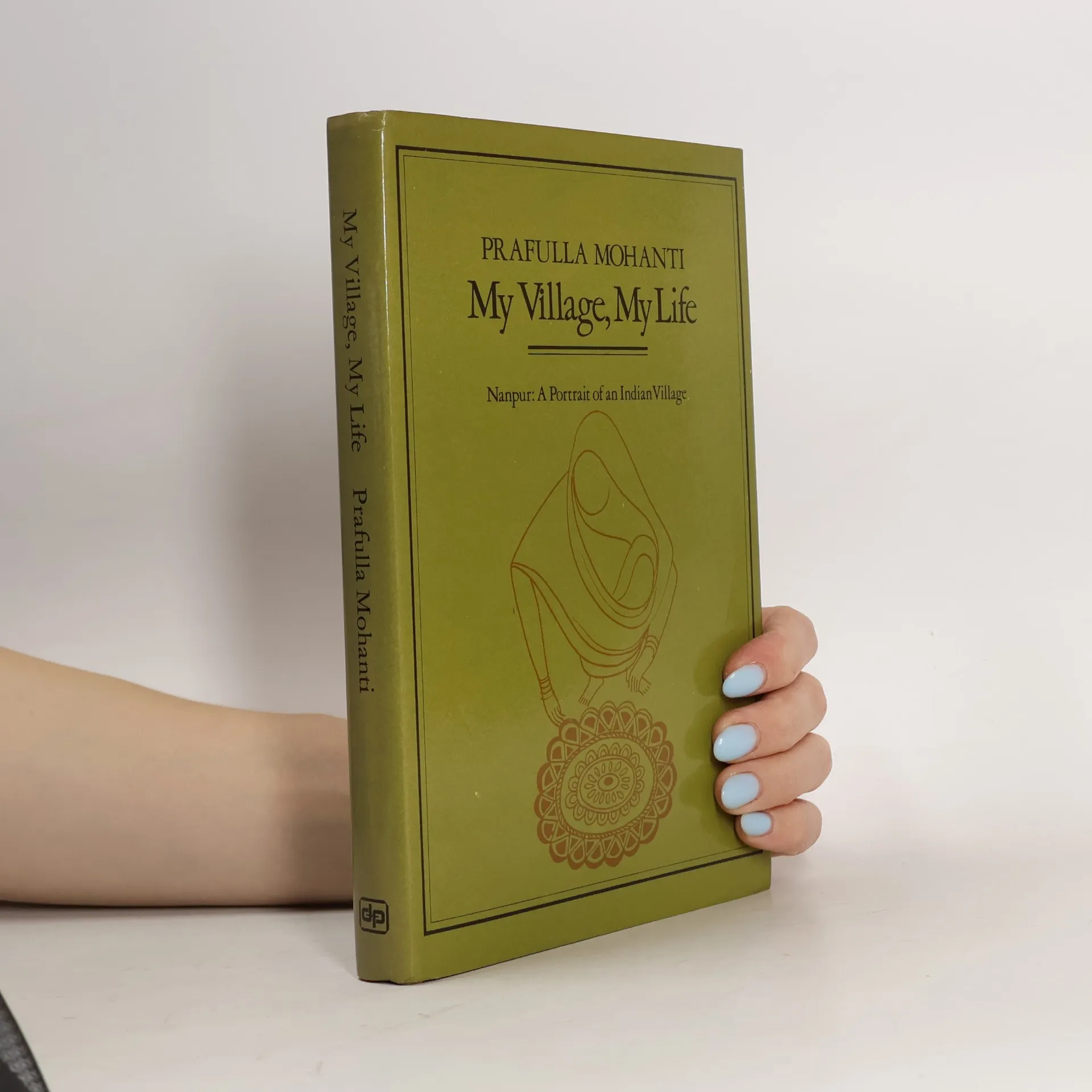
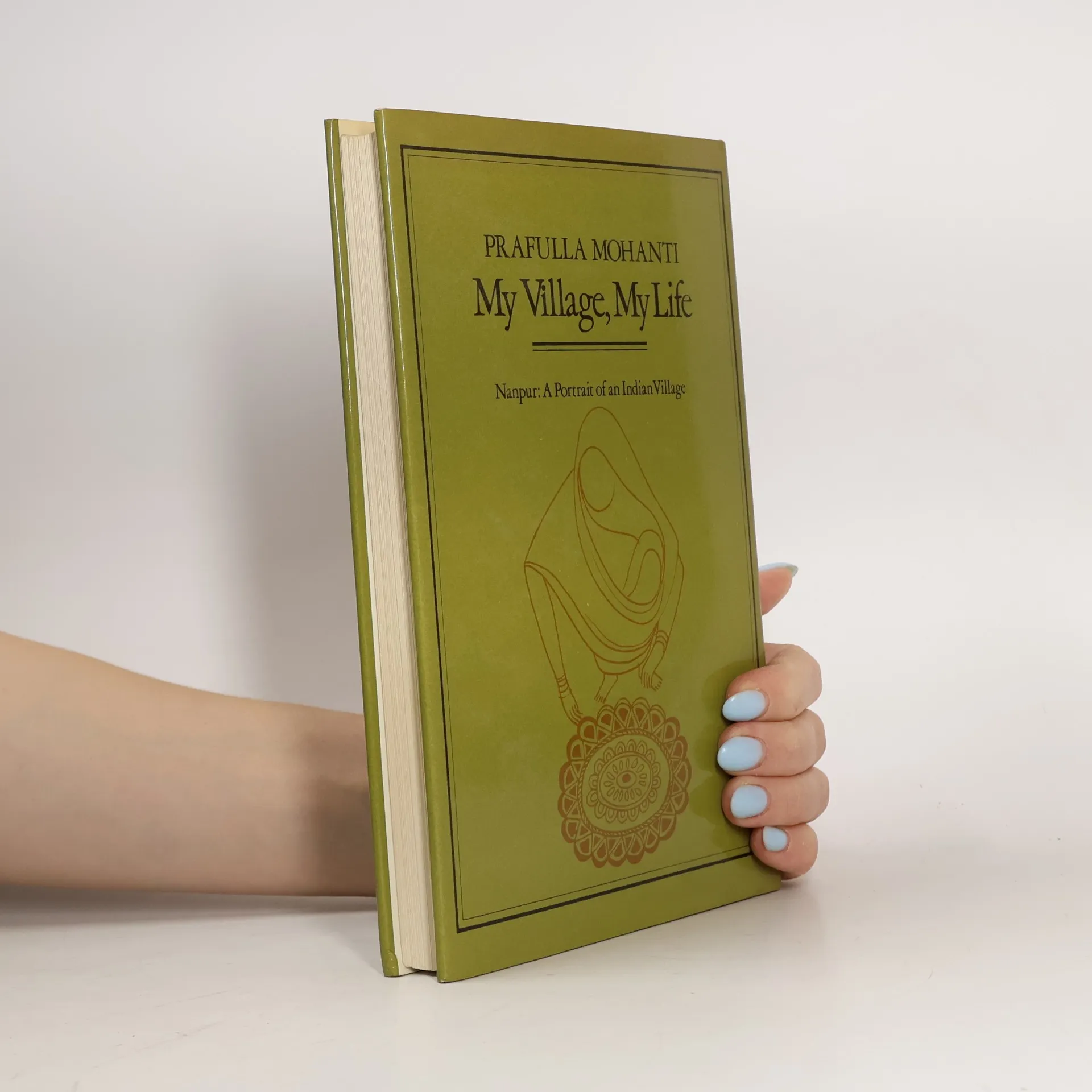
My Village, My Life
Nanpur-Portrait of an Indian Village
Autoři
Hodnocení knihy
Více o knize
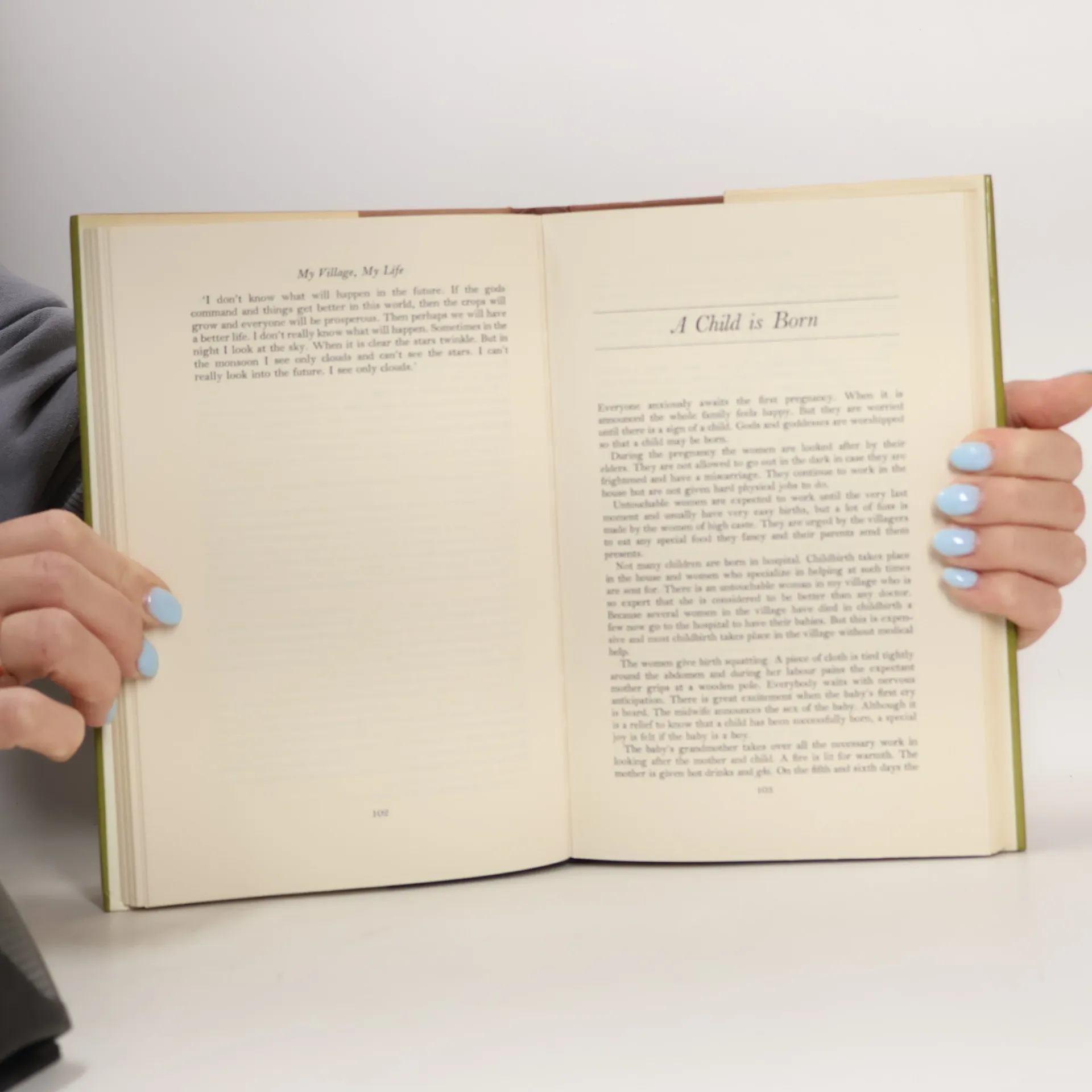
"Go to the that is India, therein lives the soul of India," said Mahatma Gandhi, and this observation remains true today, particularly in the slowly changing primitive state of Orissa. This charming book by a Western-educated Indian artist, who splits his time between London and his home village of Nanpur, transcends a typical guidebook. Through his delightful line drawings and narratives, the author allows the villagers to express their thoughts on caste, religion, and the pervasive concept of *karma*—insights they might not share with outsiders. Readers meet striking individuals like Kilas Jena, who offers the author milk, pleased that a high caste visitor would drink it in a Harijan home. There's the village's "milkmaid aunt" and a widow with four sons, who has been forgiven for seeking an abortion. The story also introduces Sarat, a 12-year-old servant boy affected by a cyclone. The narrative includes farmers, craftsmen, and the school inspector's reports, shedding light on education in Nanpur. As an intimate spectator of festivals, rituals, and daily life, the reader witnesses how these experiences shape the village, even as the outside world encroaches. The author concludes that if India's development is rooted in village life, balancing economic growth with human values, India could inspire the world.
Vydání

Nákup knihy
My Village, My Life, Prafulla Mohanti
- Jazyk

- Rok vydání
- 1973
- Vazba
- (pevná),
- Stav knihy
- Dobrá
- Cena
- 399 Kč
Doručení
Platební metody
Tady nám chybí tvá recenze.
- Titul
- My Village, My Life
- Podtitul
- Nanpur-Portrait of an Indian Village
- Jazyk
- anglicky
- Autoři
- Prafulla Mohanti
- Vydavatel
- Davis-Poynter
- Rok vydání
- 1973
- Vazba
- pevná
- Počet stran
- 232
- ISBN10
- 0706700902
- ISBN13
- 9780706700909
- Série
- Štítky
- Etnografie, Indie, Chudoba
- Hodnocení
- 3,75 z 5
- Anotace
- "Go to the that is India, therein lives the soul of India," said Mahatma Gandhi, and this observation remains true today, particularly in the slowly changing primitive state of Orissa. This charming book by a Western-educated Indian artist, who splits his time between London and his home village of Nanpur, transcends a typical guidebook. Through his delightful line drawings and narratives, the author allows the villagers to express their thoughts on caste, religion, and the pervasive concept of *karma*—insights they might not share with outsiders. Readers meet striking individuals like Kilas Jena, who offers the author milk, pleased that a high caste visitor would drink it in a Harijan home. There's the village's "milkmaid aunt" and a widow with four sons, who has been forgiven for seeking an abortion. The story also introduces Sarat, a 12-year-old servant boy affected by a cyclone. The narrative includes farmers, craftsmen, and the school inspector's reports, shedding light on education in Nanpur. As an intimate spectator of festivals, rituals, and daily life, the reader witnesses how these experiences shape the village, even as the outside world encroaches. The author concludes that if India's development is rooted in village life, balancing economic growth with human values, India could inspire the world.