

Více o knize
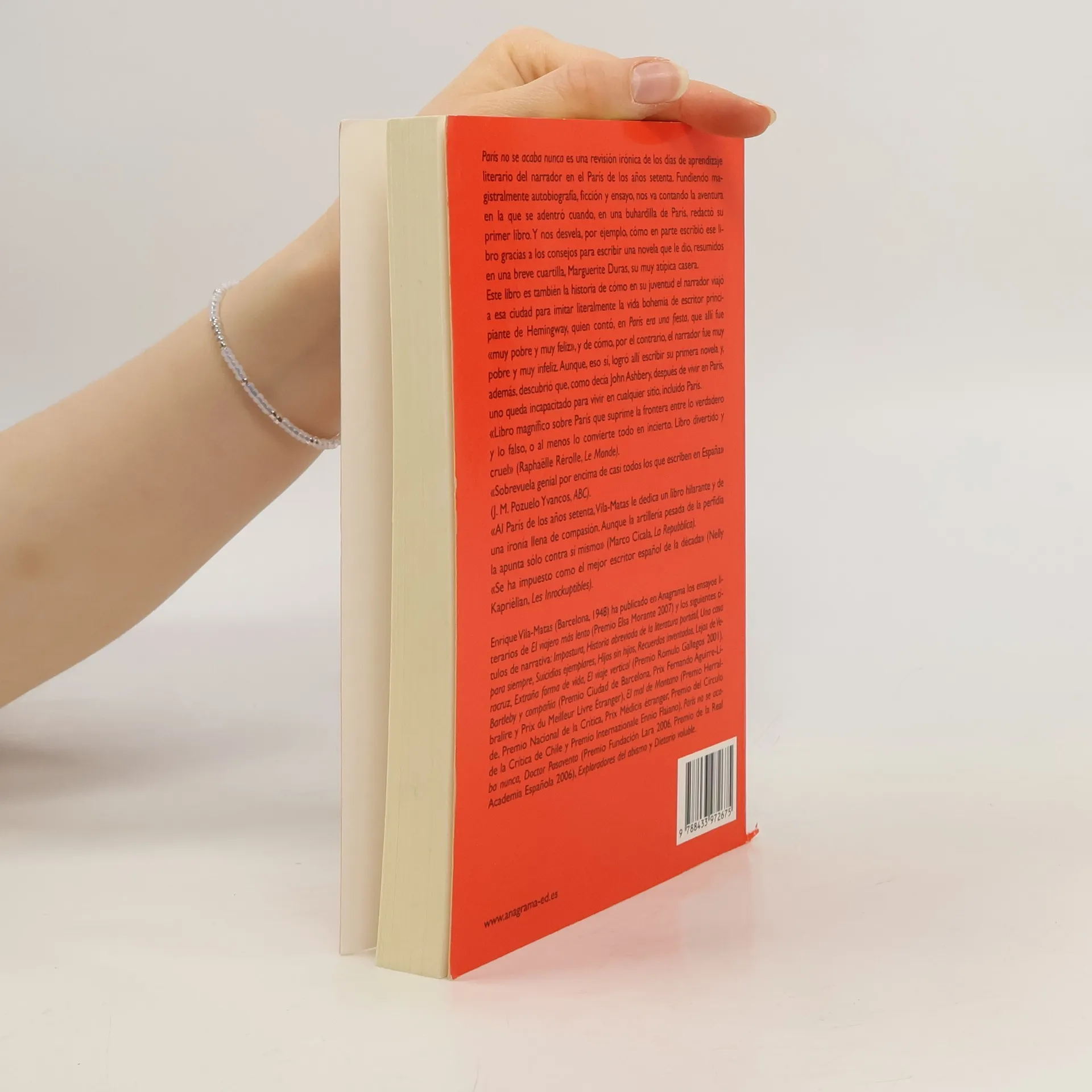
A splendid ironic portrayal of literary Paris and of a young writer’s struggles by one of Spain’s most eminent authors. This brilliantly ironic novel about literature and writing, in Vila-Matas’s trademark witty and erudite style, is told in the form of a lecture delivered by a novelist clearly a version of the author himself. The “lecturer” tells of his two-year stint living in Marguerite Duras’s garret during the seventies, spending time with writers, intellectuals, and eccentrics, and trying to make it as a creator of literature: “I went to Paris and was very poor and very unhappy.” Encountering such luminaries as Duras, Roland Barthes, Georges Perec, Sergio Pitol, Samuel Beckett, and Juan Marsé, our narrator embarks on a novel whose text will “kill” its readers and put him on a footing with his beloved Hemingway. (Never Any End to Paris takes its title from a refrain in A Moveable Feast.) What emerges is a fabulous portrait of intellectual life in Paris that, with humor and penetrating insight, investigates the role of literature in our lives.



Nákup knihy
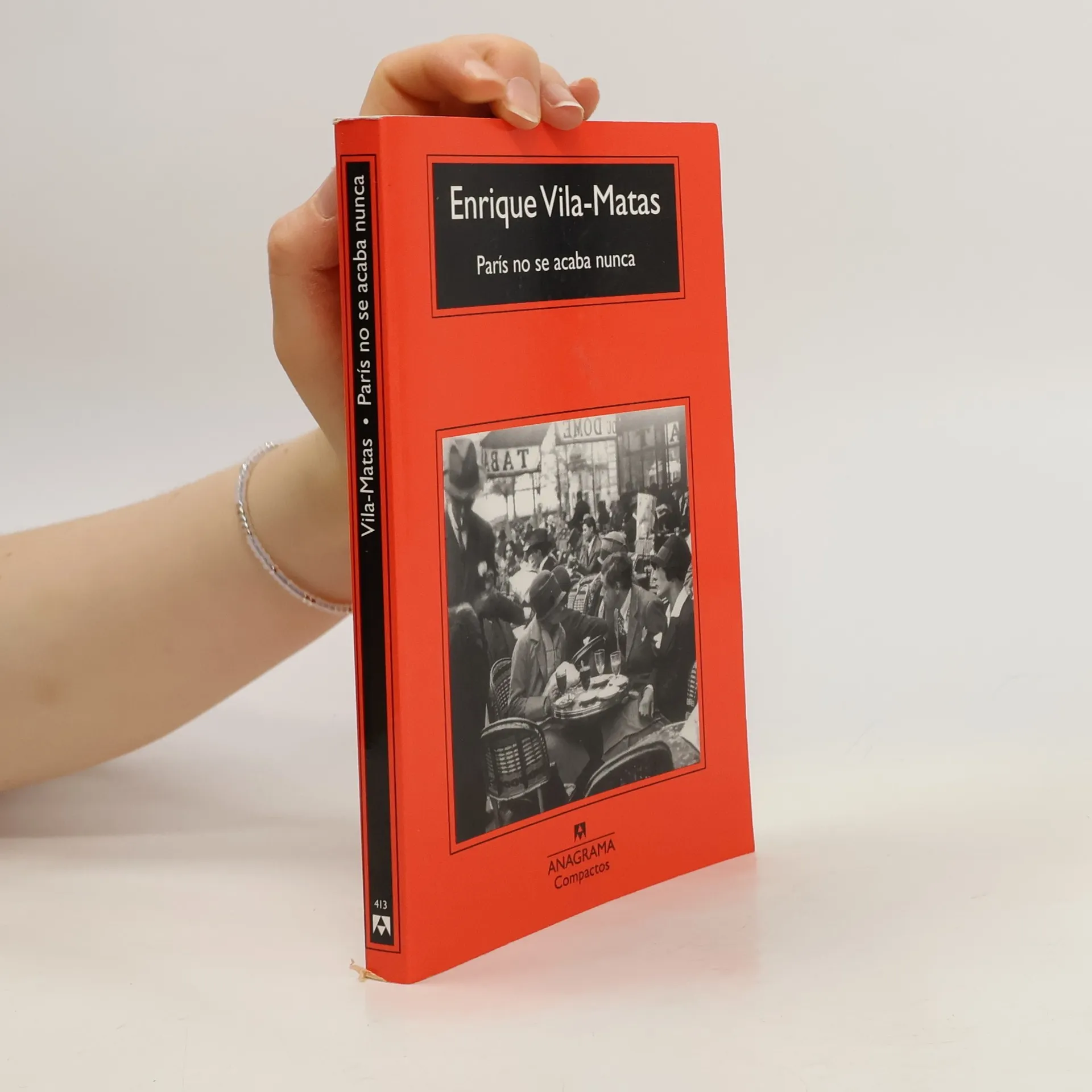
París no se acaba nunca, Enrique Vila-Matas
- Jazyk

- Rok vydání
- 2006
- Vazba
- (měkká)
Doručení
Platební metody
Tady nám chybí tvá recenze.
- Titul
- París no se acaba nunca
- Jazyk
- španělsky
- Autoři
- Enrique Vila-Matas
- Vydavatel
- Anagrama
- Rok vydání
- 2006
- Vazba
- měkká
- Počet stran
- 240
- ISBN10
- 8433972677
- ISBN13
- 9788433972675
- Série
- Kategorie
- Původní název
- París non se acaba nunca
- Hodnocení
- 3,75 z 5
- Anotace
- A splendid ironic portrayal of literary Paris and of a young writer’s struggles by one of Spain’s most eminent authors. This brilliantly ironic novel about literature and writing, in Vila-Matas’s trademark witty and erudite style, is told in the form of a lecture delivered by a novelist clearly a version of the author himself. The “lecturer” tells of his two-year stint living in Marguerite Duras’s garret during the seventies, spending time with writers, intellectuals, and eccentrics, and trying to make it as a creator of literature: “I went to Paris and was very poor and very unhappy.” Encountering such luminaries as Duras, Roland Barthes, Georges Perec, Sergio Pitol, Samuel Beckett, and Juan Marsé, our narrator embarks on a novel whose text will “kill” its readers and put him on a footing with his beloved Hemingway. (Never Any End to Paris takes its title from a refrain in A Moveable Feast.) What emerges is a fabulous portrait of intellectual life in Paris that, with humor and penetrating insight, investigates the role of literature in our lives.