

Více o knize
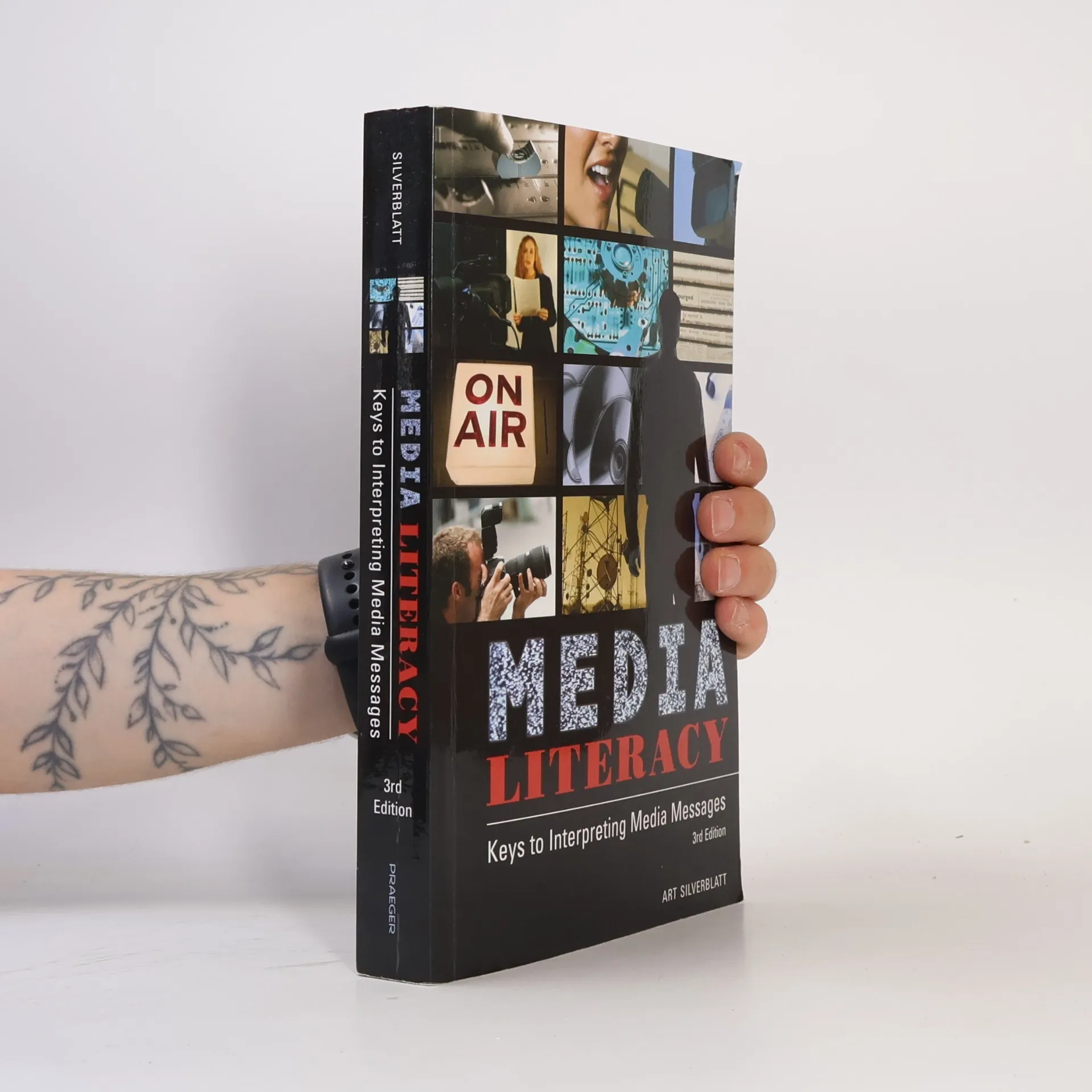
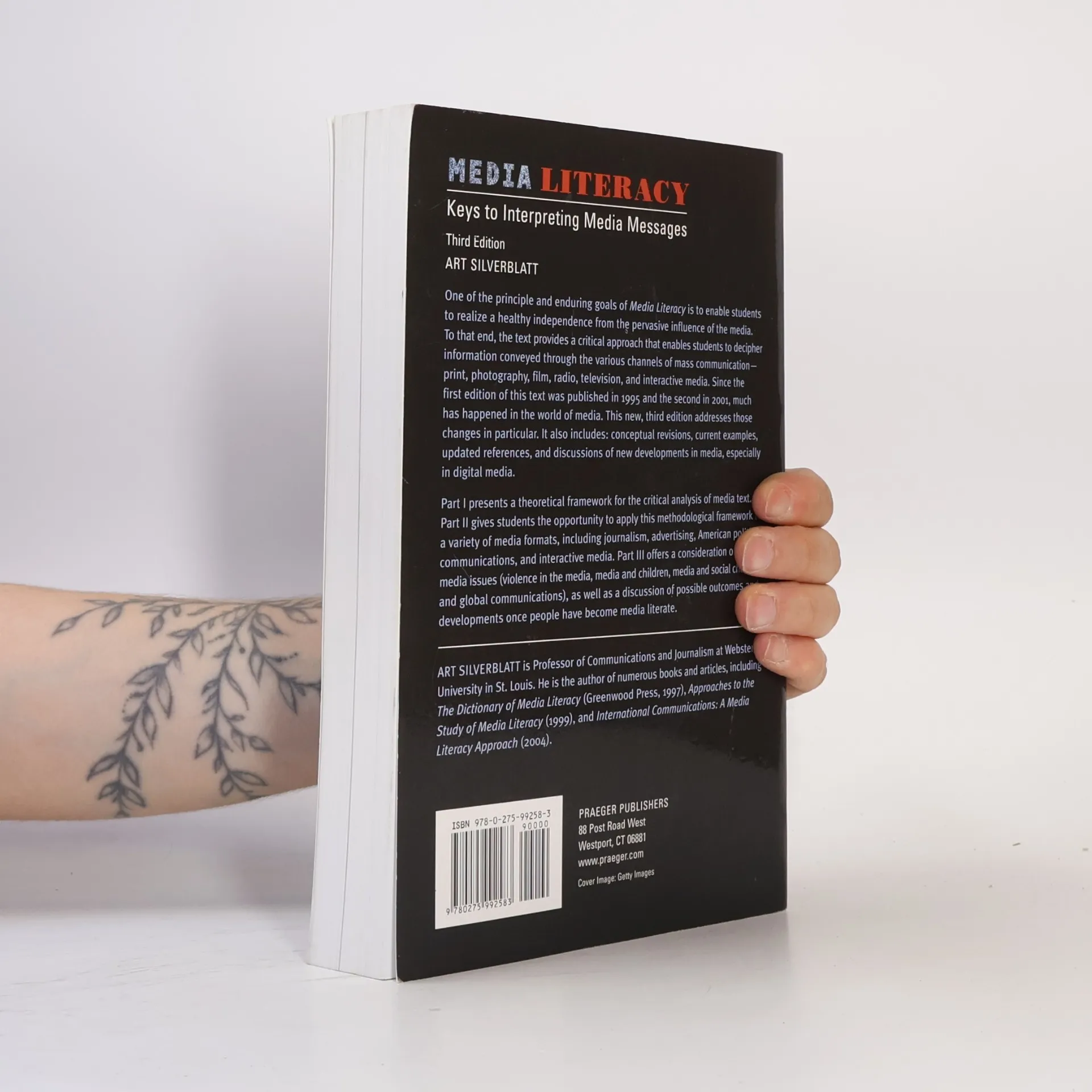
One of the principle and enduring goals of Media Literacy is to enable students to realize a healthy independence from the pervasive influence of the media. In that regard, the text provides a critical approach that enables students to decipher information conveyed through the various channels of mass communication-print, photography, film, radio, television, and interactive media. But since the first edition of this text was published in 1995, much has happened in the world of media, and this new text addresses those changes in particular, and also includes: conceptual revisions, more current examples, updated references, and discussions of new developments in media, especially in digital media. Part I presents a theoretical framework for the critical analysis of media text; Part II gives students the opportunity to apply this methodological framework to a variety of media formats, including journalism, advertising, American political communications, and interactive media; and Part III consists of a consideration of mass media issues (violence in the media, media and children, media and social change, and global communications), as well as a discussion of possible outcomes and developments once people have become media literate. This is one of the key works available today on the topic of media literacy
Vydání

Nákup knihy
Media Literacy, Art Silverblatt
- Jazyk

- Rok vydání
- 2008
- Vazba
- (měkká)
Doručení
Platební metody
Tady nám chybí tvá recenze.
- Titul
- Media Literacy
- Podtitul
- Keys to Interpreting Media Messages - 3rd Edition
- Jazyk
- anglicky
- Autoři
- Art Silverblatt
- Vydavatel
- Praeger
- Rok vydání
- 2008
- Vazba
- měkká
- Počet stran
- 512
- ISBN10
- 0275992586
- ISBN13
- 9780275992583
- Série
- Kategorie
- Štítky
- Masmédia
- Hodnocení
- 3,9 z 5
- Anotace
- One of the principle and enduring goals of Media Literacy is to enable students to realize a healthy independence from the pervasive influence of the media. In that regard, the text provides a critical approach that enables students to decipher information conveyed through the various channels of mass communication-print, photography, film, radio, television, and interactive media. But since the first edition of this text was published in 1995, much has happened in the world of media, and this new text addresses those changes in particular, and also includes: conceptual revisions, more current examples, updated references, and discussions of new developments in media, especially in digital media. Part I presents a theoretical framework for the critical analysis of media text; Part II gives students the opportunity to apply this methodological framework to a variety of media formats, including journalism, advertising, American political communications, and interactive media; and Part III consists of a consideration of mass media issues (violence in the media, media and children, media and social change, and global communications), as well as a discussion of possible outcomes and developments once people have become media literate. This is one of the key works available today on the topic of media literacy