

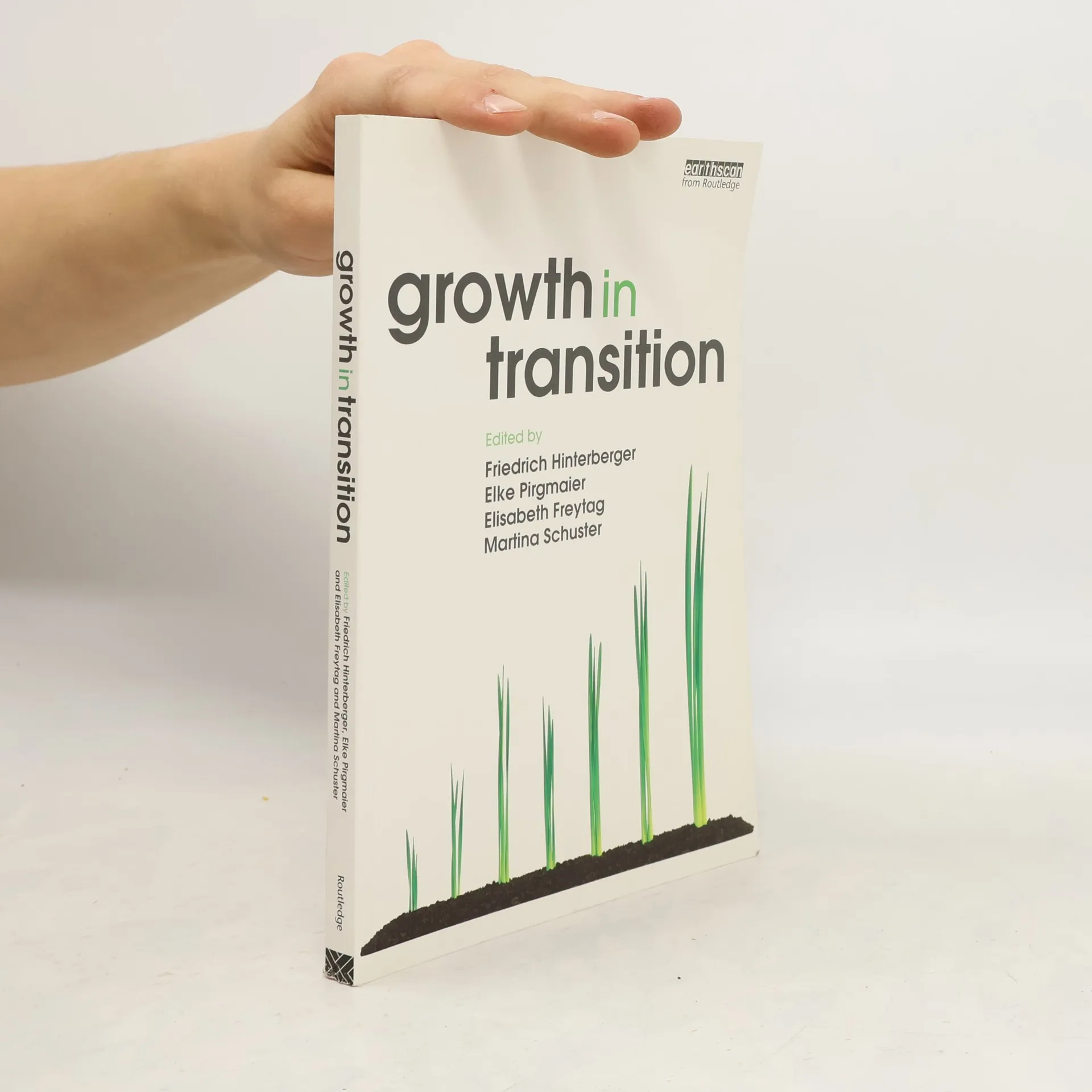

Growth in Transition
Parametry
- 194 stránek
- 7 hodin čtení
Více o knize
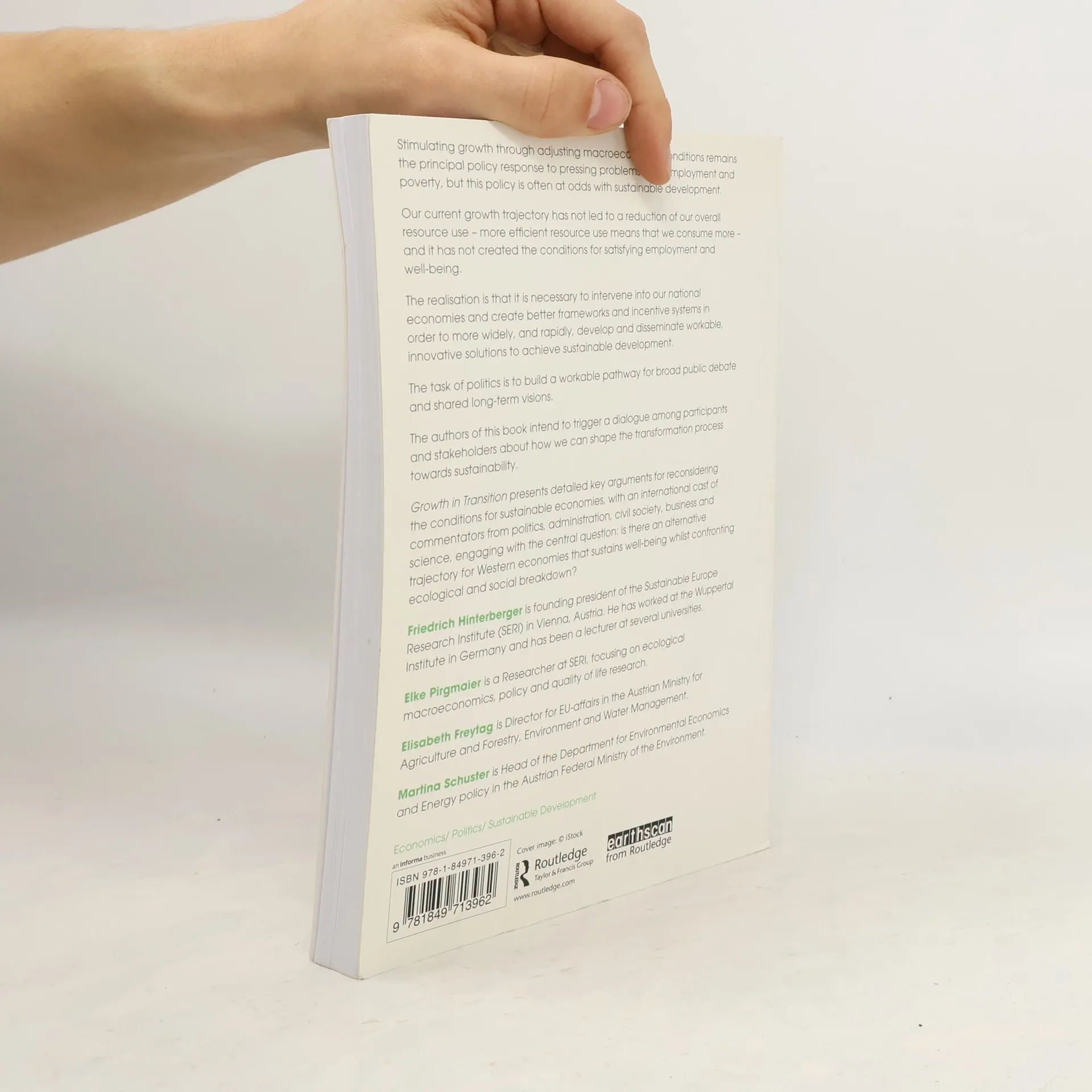
Stimulating growth through macroeconomic adjustments is the primary policy response to unemployment, poverty, and environmental degradation. However, the effectiveness of current approaches in generating win-win solutions is questionable, as they may contribute to these issues instead. The existing growth trajectory has not reduced overall resource use; rather, increased efficiency leads to greater consumption without improving employment and well-being. There is a growing recognition of the need for substantial interventions in national economies to create better conditions and incentives for developing and implementing sustainable solutions. This requires political action, guided by public debate and shared long-term visions. The authors aim to initiate a dialogue among stakeholders on shaping the transformation towards sustainability. They present key arguments for re-evaluating the conditions necessary for sustainable economies, inviting an international group of commentators from various sectors—politics, administration, civil society, business, and science—to engage with the critical question: can Western economies pursue an alternative trajectory that maintains well-being while addressing ecological and social crises?
Nákup knihy
Growth in Transition, Elisabeth Freytag, Friedrich Hinterberger, Martina Schuster, Elke Pirgmaier
- Jazyk

- Rok vydání
- 2011
- Vazba
- (měkká)
Doručení
Platební metody
Nikdo zatím neohodnotil.
- Titul
- Growth in Transition
- Jazyk
- anglicky
- Vydavatel
- Routledge
- Rok vydání
- 2011
- Vazba
- měkká
- Počet stran
- 194
- ISBN10
- 1849713960
- ISBN13
- 9781849713962
- Série
- Kategorie
- Anotace
- Stimulating growth through macroeconomic adjustments is the primary policy response to unemployment, poverty, and environmental degradation. However, the effectiveness of current approaches in generating win-win solutions is questionable, as they may contribute to these issues instead. The existing growth trajectory has not reduced overall resource use; rather, increased efficiency leads to greater consumption without improving employment and well-being. There is a growing recognition of the need for substantial interventions in national economies to create better conditions and incentives for developing and implementing sustainable solutions. This requires political action, guided by public debate and shared long-term visions. The authors aim to initiate a dialogue among stakeholders on shaping the transformation towards sustainability. They present key arguments for re-evaluating the conditions necessary for sustainable economies, inviting an international group of commentators from various sectors—politics, administration, civil society, business, and science—to engage with the critical question: can Western economies pursue an alternative trajectory that maintains well-being while addressing ecological and social crises?