

A Medieval Flower Garden
Více o knize
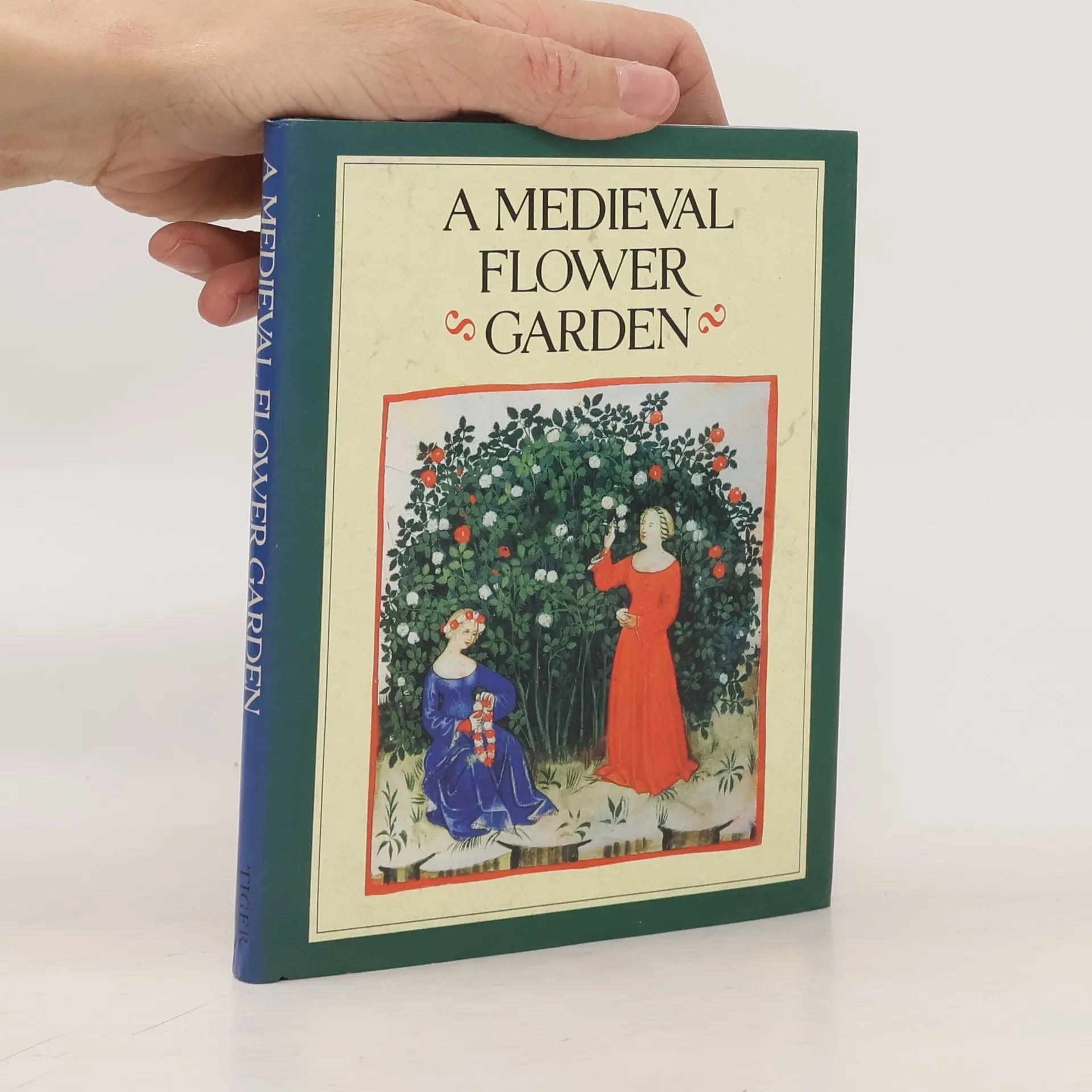
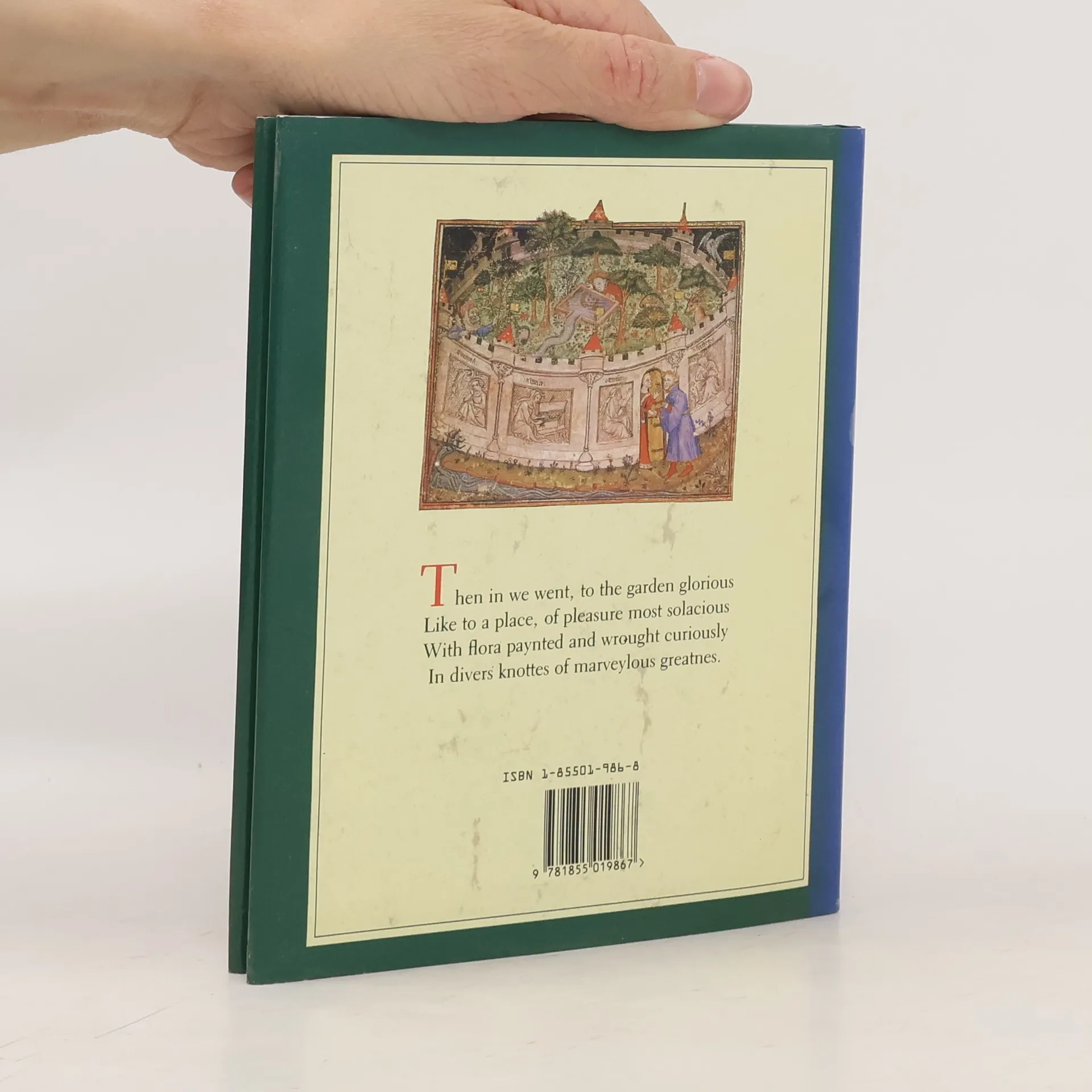
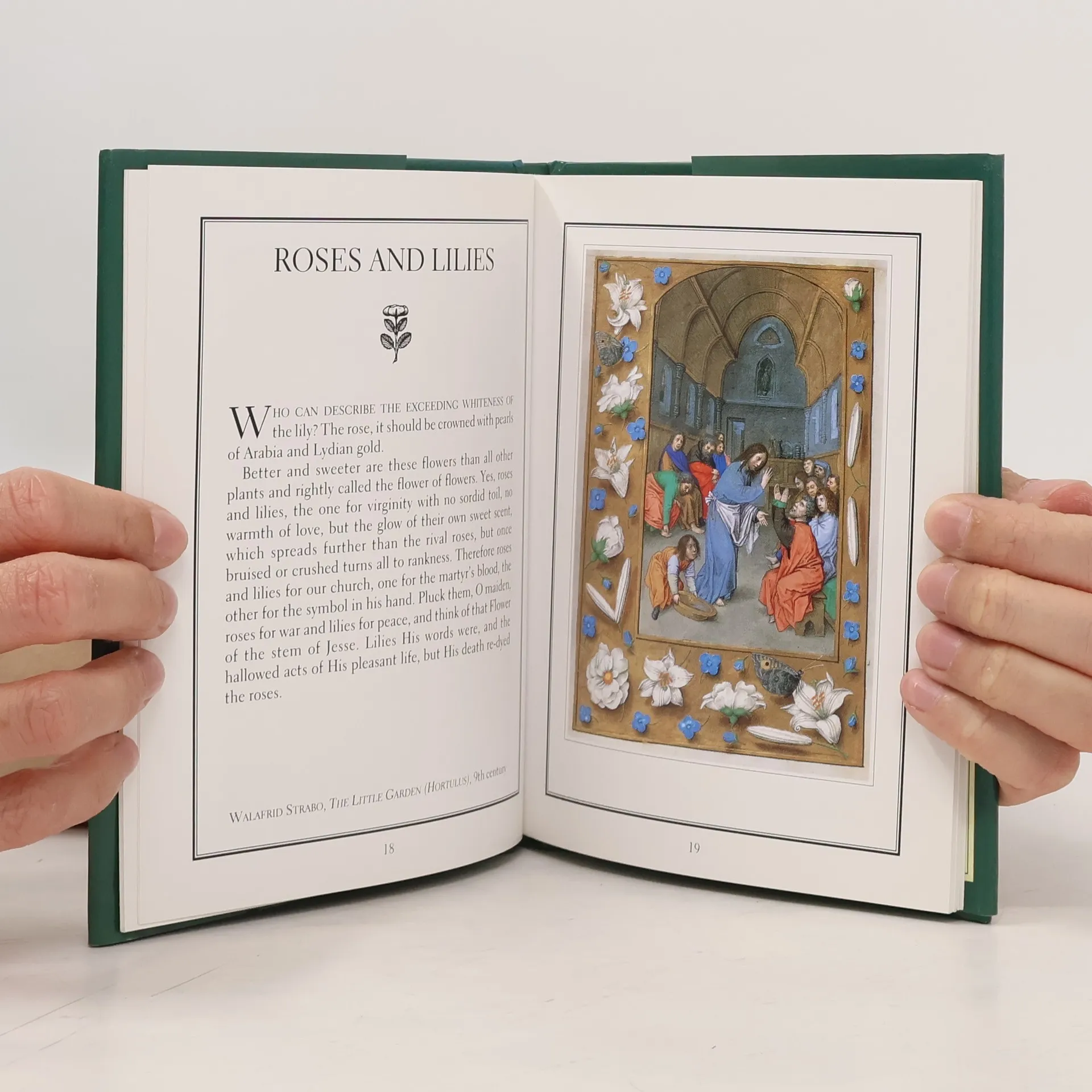
Manuscript illuminations, miniatures and tapestries all depict the flowering trees and carpets of wildflowers of the medieval garden. Jewel-like in the richness of their colour and precision of their drawing, the illustrations bring these environments to live as well as providing insights into the plants grown and the layout of the gardens. Surviving texts reveal the importance of features such as fountains, screening trelliswork and soft seats of turf, as well as birdsong and aromatic plants to soothe the senses. The plants grown often had culinary, medicinal or herbal properties; for example, the bulbs of Madonna lilies were eaten and could also be used as a salve. But these plants also had symbolic meaning: the beauty and utility of flowers were taken as evidence of God’s works. The selection of texts included reflect this symbolism. Beginning with an interpretation of the Garden of Eden, through visions of Earthly Paradise to the Celestial Garden, the blend of spiritual and earthly reflects the popular beliefs of medieval times. With a general preface and delicately beautiful illustrations, A Medieval Flower Garden evokes the spirit of a magical bygone age. (From the book jacket.)
Vydání

Nákup knihy
A Medieval Flower Garden, Jenny De Gex, David Fordham
- Jazyk

- Rok vydání
- 1998
- Vazba
- (pevná)
Doručení
Platební metody
Nikdo zatím neohodnotil.
- Titul
- A Medieval Flower Garden
- Jazyk
- anglicky
- Autoři
- Jenny De Gex, David Fordham
- Vydavatel
- Tiger Books International
- Rok vydání
- 1998
- Vazba
- pevná
- Počet stran
- 67
- ISBN10
- 1855019868
- ISBN13
- 9781855019867
- Série
- Anotace
- Manuscript illuminations, miniatures and tapestries all depict the flowering trees and carpets of wildflowers of the medieval garden. Jewel-like in the richness of their colour and precision of their drawing, the illustrations bring these environments to live as well as providing insights into the plants grown and the layout of the gardens. Surviving texts reveal the importance of features such as fountains, screening trelliswork and soft seats of turf, as well as birdsong and aromatic plants to soothe the senses. The plants grown often had culinary, medicinal or herbal properties; for example, the bulbs of Madonna lilies were eaten and could also be used as a salve. But these plants also had symbolic meaning: the beauty and utility of flowers were taken as evidence of God’s works. The selection of texts included reflect this symbolism. Beginning with an interpretation of the Garden of Eden, through visions of Earthly Paradise to the Celestial Garden, the blend of spiritual and earthly reflects the popular beliefs of medieval times. With a general preface and delicately beautiful illustrations, A Medieval Flower Garden evokes the spirit of a magical bygone age. (From the book jacket.)