

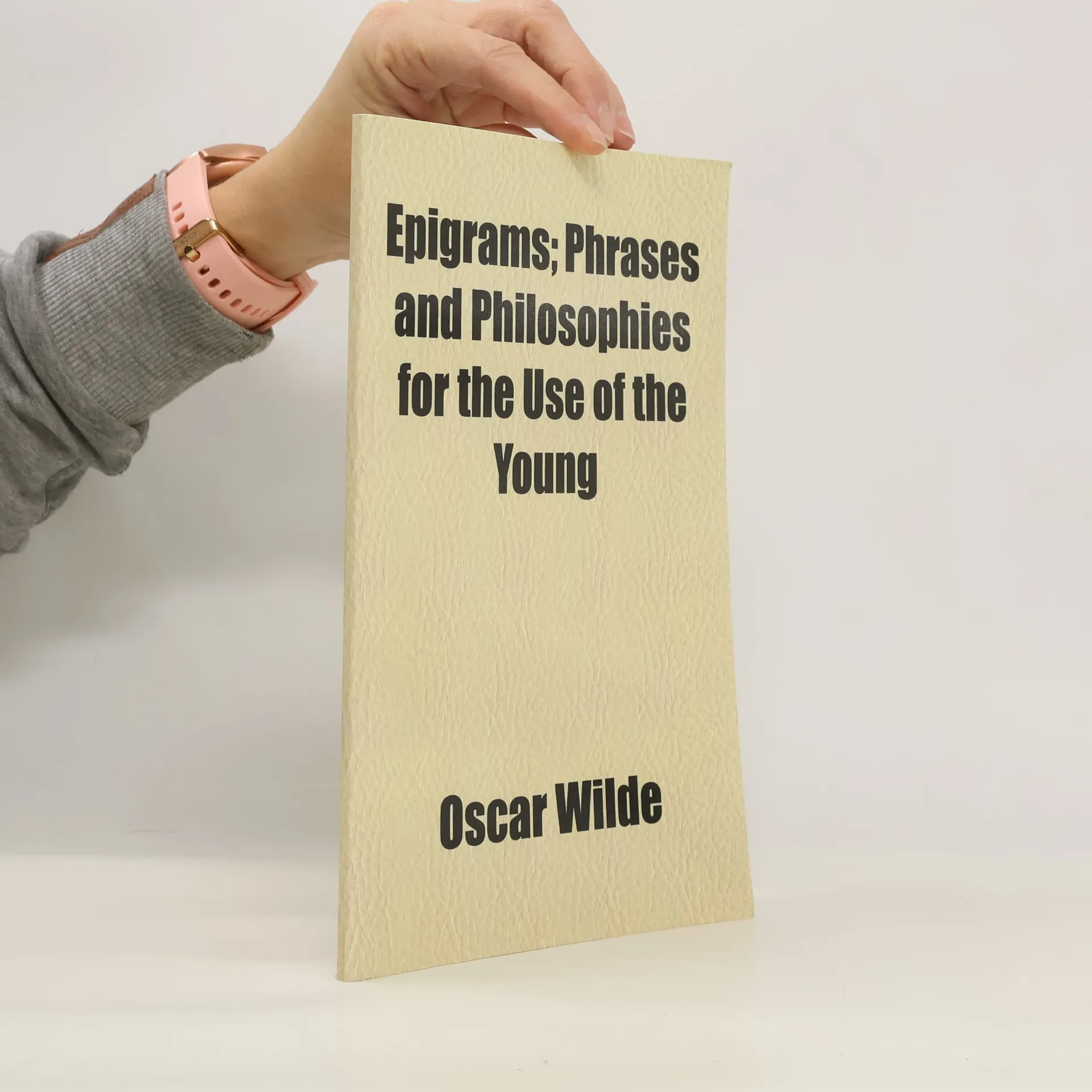
Epigrams; Phrases and Philosophies for the Use of the Young
Autoři
Hodnocení knihy
Více o knize
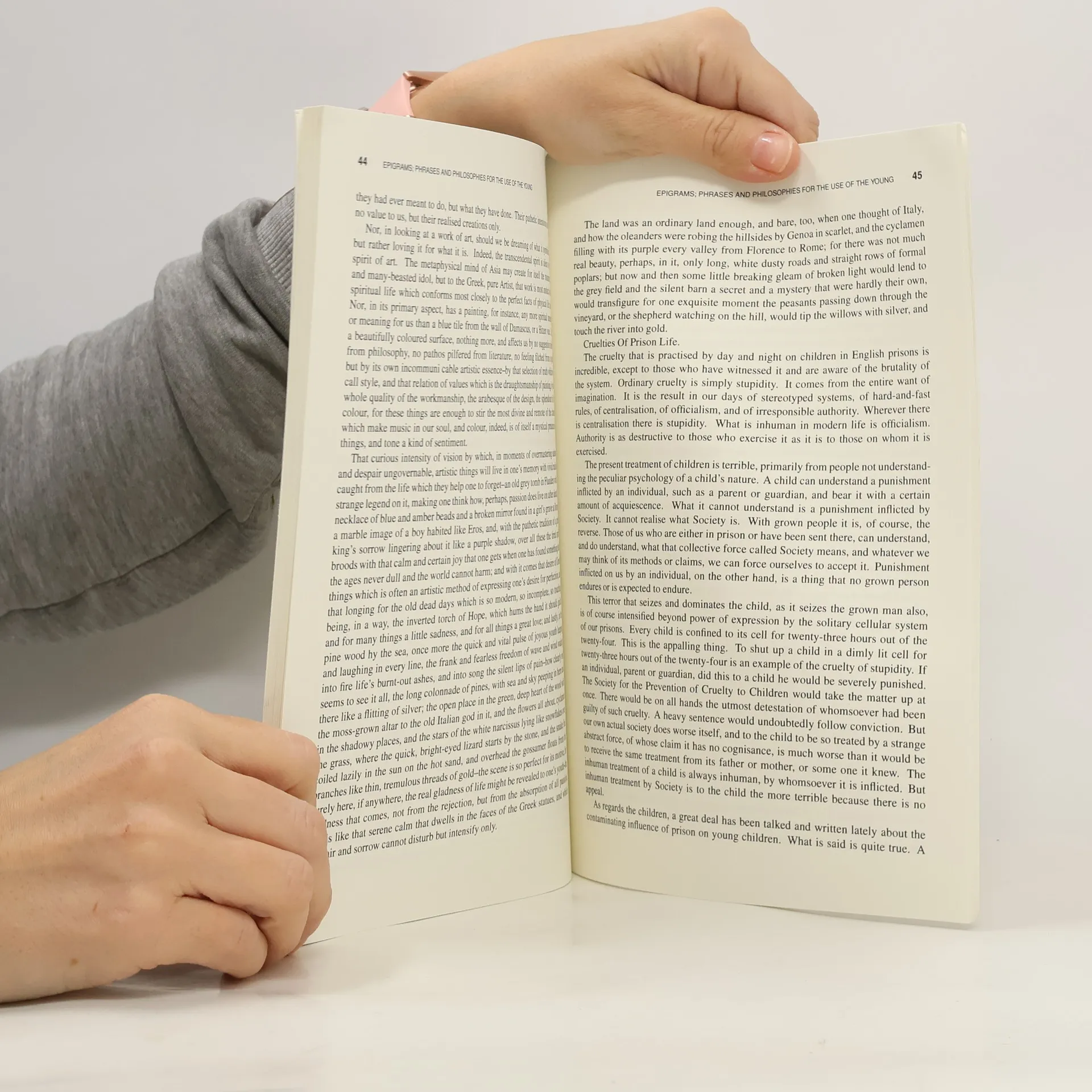
Book may contain numerous typos, missing text, images, or index. Purchasers can download a free scanned copy of the original book (without typos) from the publisher. 1909. Not illustrated. Excerpt: ... OSCARIANA. The Cehdo. The artist creates beautiful things, aiming to reveal art while concealing the artist. A critic translates his impressions of beauty into a new form or material. Both high and low forms of criticism reflect autobiography. Those who perceive ugliness in beauty are corrupt, while those who find beauty in beautiful things are cultivated and hopeful. There is no moral or immoral book; only well-written or poorly written ones. The nineteenth century's dislike of Realism reflects Caliban's rage at seeing his own face, while the disdain for Romanticism stems from not recognizing it. The moral life of man is part of the artist's subject matter, but art's morality lies in the effective use of an imperfect medium. Artists do not seek to prove anything, as even truths can be proven. Ethical sympathy in an artist is an unpardonable stylistic flaw. Artists express everything, using thought and language as instruments, and vice and virtue as materials. Musicians represent the ideal form of art, while actors embody the emotional aspect. All art is both surface and symbol, and delving beneath the surface poses risks. The spectator, not life, is what art truly reflects. Diverse opinions about a work indicate its complexity.
Nákup knihy
Epigrams; Phrases and Philosophies for the Use of the Young, Oscar Wilde
- Jazyk

- Rok vydání
- 2012
- Vazba
- (měkká)
Doručení
Platební metody
Tady nám chybí tvá recenze.
- Titul
- Epigrams; Phrases and Philosophies for the Use of the Young
- Jazyk
- anglicky
- Autoři
- Oscar Wilde
- Vydavatel
- General Press
- Rok vydání
- 2012
- Vazba
- měkká
- Počet stran
- 38
- ISBN10
- 1154169162
- ISBN13
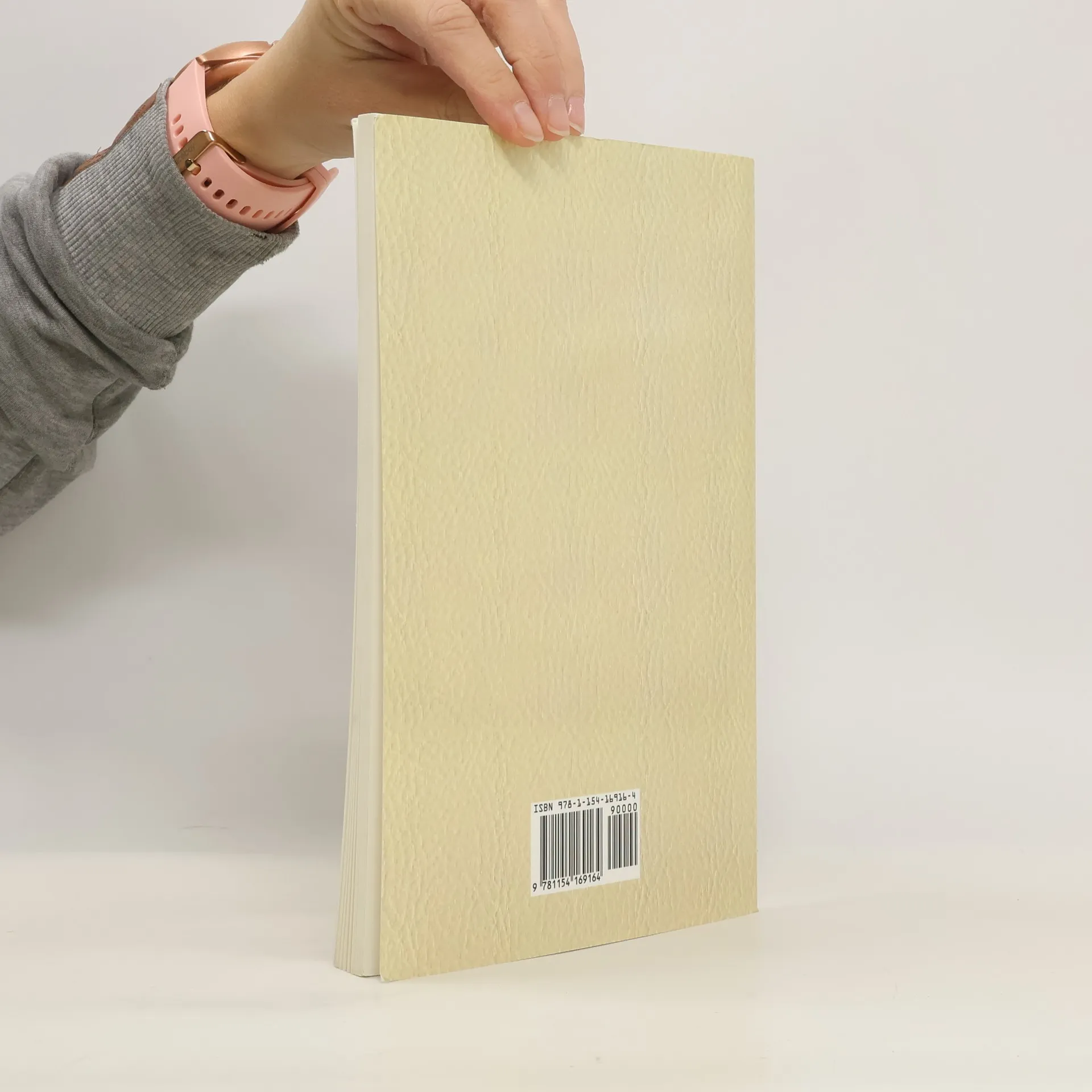
- 9781154169164
- Série
- Štítky
- Hodnocení
- 3,85 z 5
- Anotace
- Book may contain numerous typos, missing text, images, or index. Purchasers can download a free scanned copy of the original book (without typos) from the publisher. 1909. Not illustrated. Excerpt: ... OSCARIANA. The Cehdo. The artist creates beautiful things, aiming to reveal art while concealing the artist. A critic translates his impressions of beauty into a new form or material. Both high and low forms of criticism reflect autobiography. Those who perceive ugliness in beauty are corrupt, while those who find beauty in beautiful things are cultivated and hopeful. There is no moral or immoral book; only well-written or poorly written ones. The nineteenth century's dislike of Realism reflects Caliban's rage at seeing his own face, while the disdain for Romanticism stems from not recognizing it. The moral life of man is part of the artist's subject matter, but art's morality lies in the effective use of an imperfect medium. Artists do not seek to prove anything, as even truths can be proven. Ethical sympathy in an artist is an unpardonable stylistic flaw. Artists express everything, using thought and language as instruments, and vice and virtue as materials. Musicians represent the ideal form of art, while actors embody the emotional aspect. All art is both surface and symbol, and delving beneath the surface poses risks. The spectator, not life, is what art truly reflects. Diverse opinions about a work indicate its complexity.