



Více o knize
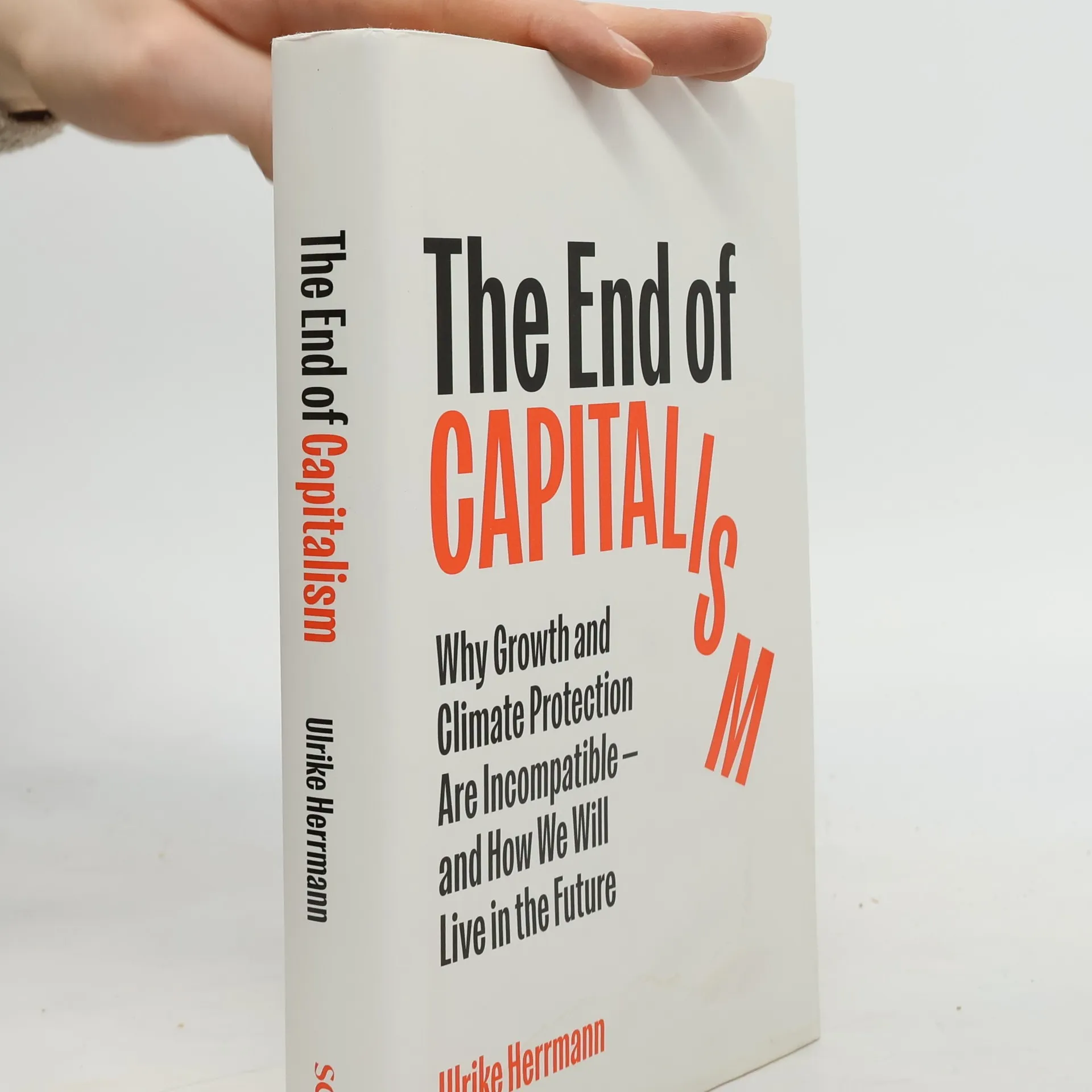
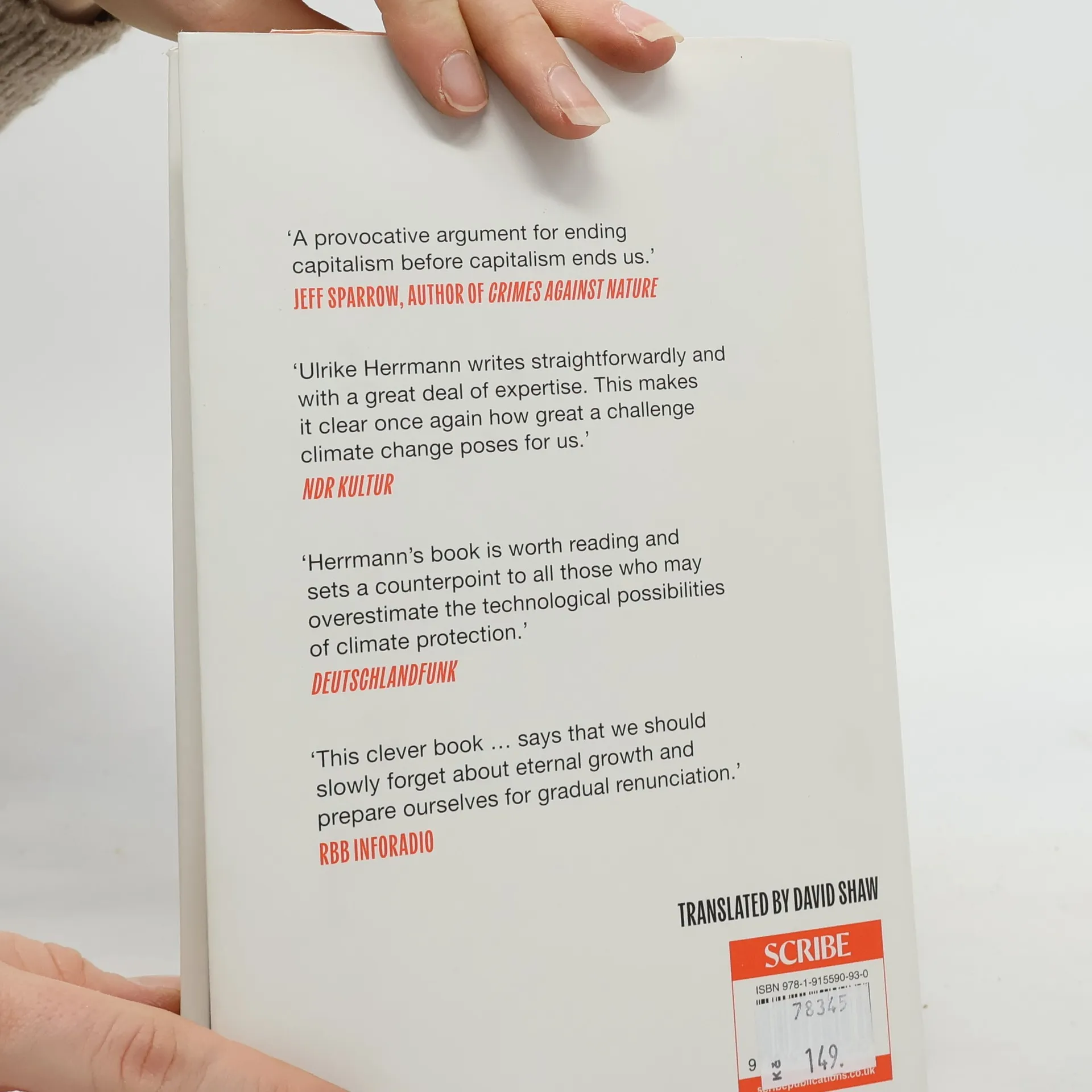
Democracy and prosperity, a longer life, more equality and education: capitalism has brought many positive effects. At the same time, however, it is ruining the climate and environment, putting humanity in existential danger. "Green growth" is supposed to be the solution, but economist and bestselling author Ulrike Herrmann argues otherwise: she explains clearly and incisively in her new book why we instead need "green shrinking." The climate crisis is worsening daily, yet almost nothing is changing concretely. Greenhouse gas emissions are increasing uncontrollably and dramatically. This failure is no coincidence, as the climate crisis strikes at the heart of capitalism. Prosperity and growth are only possible through the use of technology and energy. Unfortunately, eco-energy from solar and wind will never be sufficient to fuel global growth. Therefore, industrialized countries must bid farewell to capitalism and strive for a circular economy, where only what can be recycled is consumed. But how should one envision this green shrinking? The best model is precisely the British war economy starting in 1940.

Nákup knihy
The end of capitalism, Ulrike Herrmann
- Jazyk

- Rok vydání
- 2025
- Vazba
- (měkká)
Doručení
Platební metody
Tady nám chybí tvá recenze.
- Titul
- The end of capitalism
- Jazyk
- anglicky
- Autoři
- Ulrike Herrmann
- Vydavatel
- Scribe UK
- Rok vydání
- 2025
- Vazba
- měkká
- Počet stran
- 336
- ISBN10
- 1957363924
- ISBN13
- 9781957363929
- Série
- Kategorie
- Hodnocení
- 4 z 5
- Anotace
- Democracy and prosperity, a longer life, more equality and education: capitalism has brought many positive effects. At the same time, however, it is ruining the climate and environment, putting humanity in existential danger. "Green growth" is supposed to be the solution, but economist and bestselling author Ulrike Herrmann argues otherwise: she explains clearly and incisively in her new book why we instead need "green shrinking." The climate crisis is worsening daily, yet almost nothing is changing concretely. Greenhouse gas emissions are increasing uncontrollably and dramatically. This failure is no coincidence, as the climate crisis strikes at the heart of capitalism. Prosperity and growth are only possible through the use of technology and energy. Unfortunately, eco-energy from solar and wind will never be sufficient to fuel global growth. Therefore, industrialized countries must bid farewell to capitalism and strive for a circular economy, where only what can be recycled is consumed. But how should one envision this green shrinking? The best model is precisely the British war economy starting in 1940.