

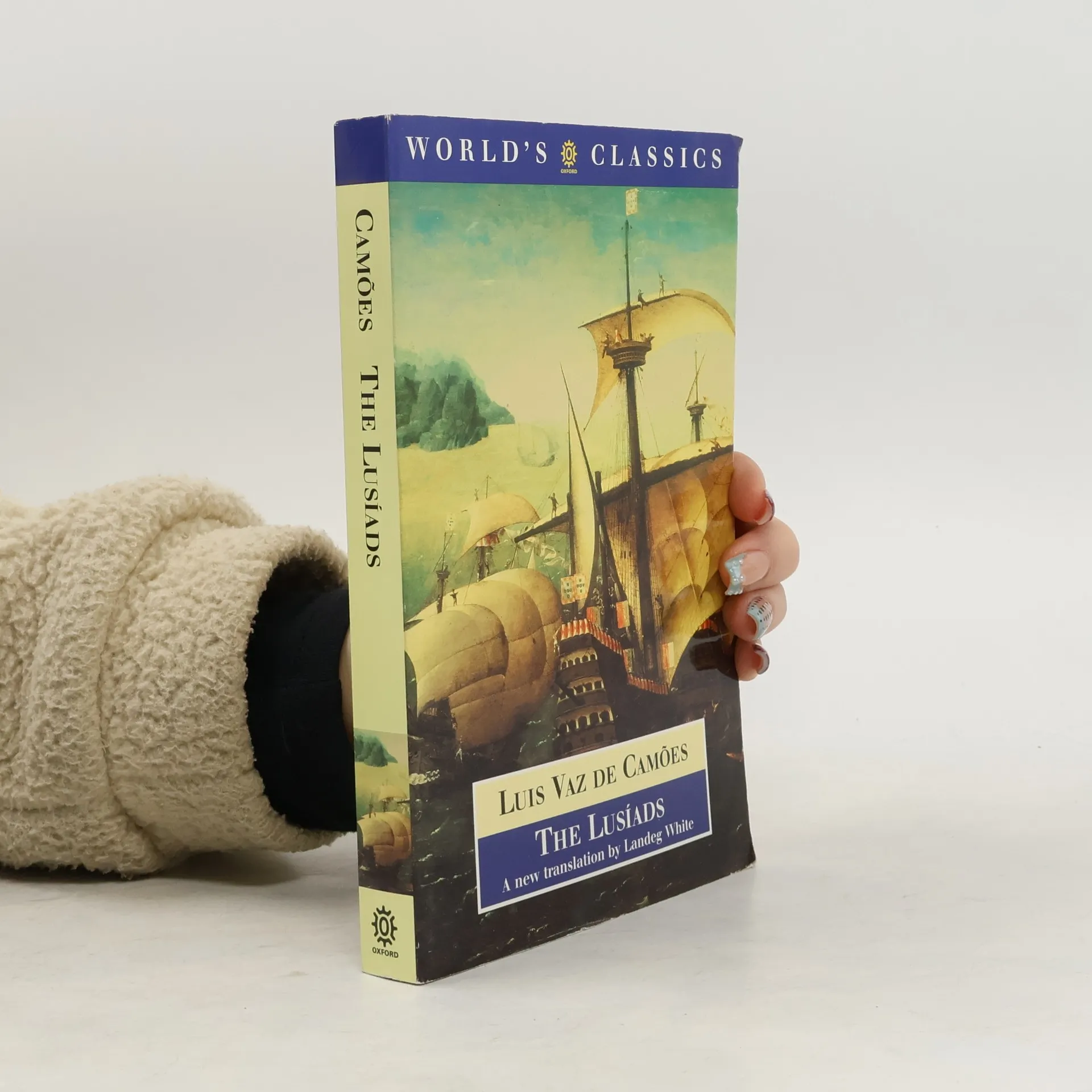
Oxford World's Classics: The Lusíads
Více o knize
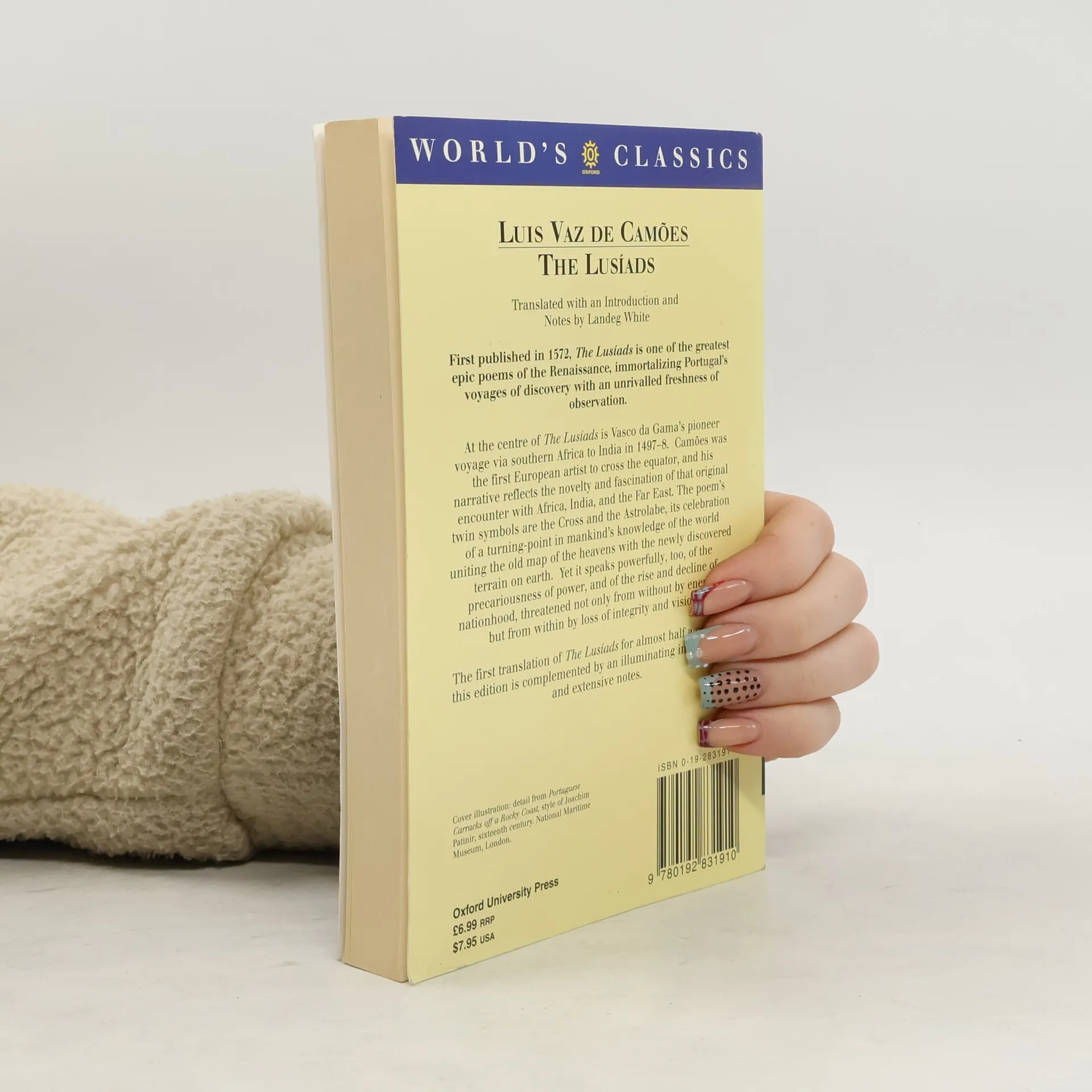
First published in 1572, "The Lusíads" is one of the greatest epic poems of the Renaissance, immortalizing Portugal's voyages of discovery with an unrivalled freshness of observation. At the center of "The Lusíads" is Vasco da Gama's pioneer voyage via southern Africa to India in 1497-8. Camões was the first European artist to cross the equator, and his narrative reflects the novelty and fascination of that original encounter with Africa, India, and the Far East. The poem's twin symbols are the Cross and the Astrolabe, its celebration of a turning-point in mankind's knowledge of the world uniting the old map of the heavens with the newly discovered terrain on earth. Yet it speaks powerfully, too, of the precariousness of power, and of the rise and decline of nationhood, threatened not only from without by enemies, but from within by loss of integrity and vision. -- From publisher's description.
Nákup knihy
Oxford World's Classics: The Lusíads, Luís Vaz de Camões, Landeg White
- Jazyk

- Rok vydání
- 1997
- Vazba
- (měkká)
Doručení
Platební metody
Nikdo zatím neohodnotil.
- Titul
- Oxford World's Classics: The Lusíads
- Jazyk
- anglicky
- Autoři
- Luís Vaz de Camões, Landeg White
- Vydavatel
- Oxford University Press
- Rok vydání
- 1997
- Vazba
- měkká
- Počet stran
- 258
- ISBN10
- 0192831917
- ISBN13
- 9780192831910
- Série
- Anotace
- First published in 1572, "The Lusíads" is one of the greatest epic poems of the Renaissance, immortalizing Portugal's voyages of discovery with an unrivalled freshness of observation. At the center of "The Lusíads" is Vasco da Gama's pioneer voyage via southern Africa to India in 1497-8. Camões was the first European artist to cross the equator, and his narrative reflects the novelty and fascination of that original encounter with Africa, India, and the Far East. The poem's twin symbols are the Cross and the Astrolabe, its celebration of a turning-point in mankind's knowledge of the world uniting the old map of the heavens with the newly discovered terrain on earth. Yet it speaks powerfully, too, of the precariousness of power, and of the rise and decline of nationhood, threatened not only from without by enemies, but from within by loss of integrity and vision. -- From publisher's description.