

Parametry
- 664 stránek
- 24 hodin čtení
Více o knize
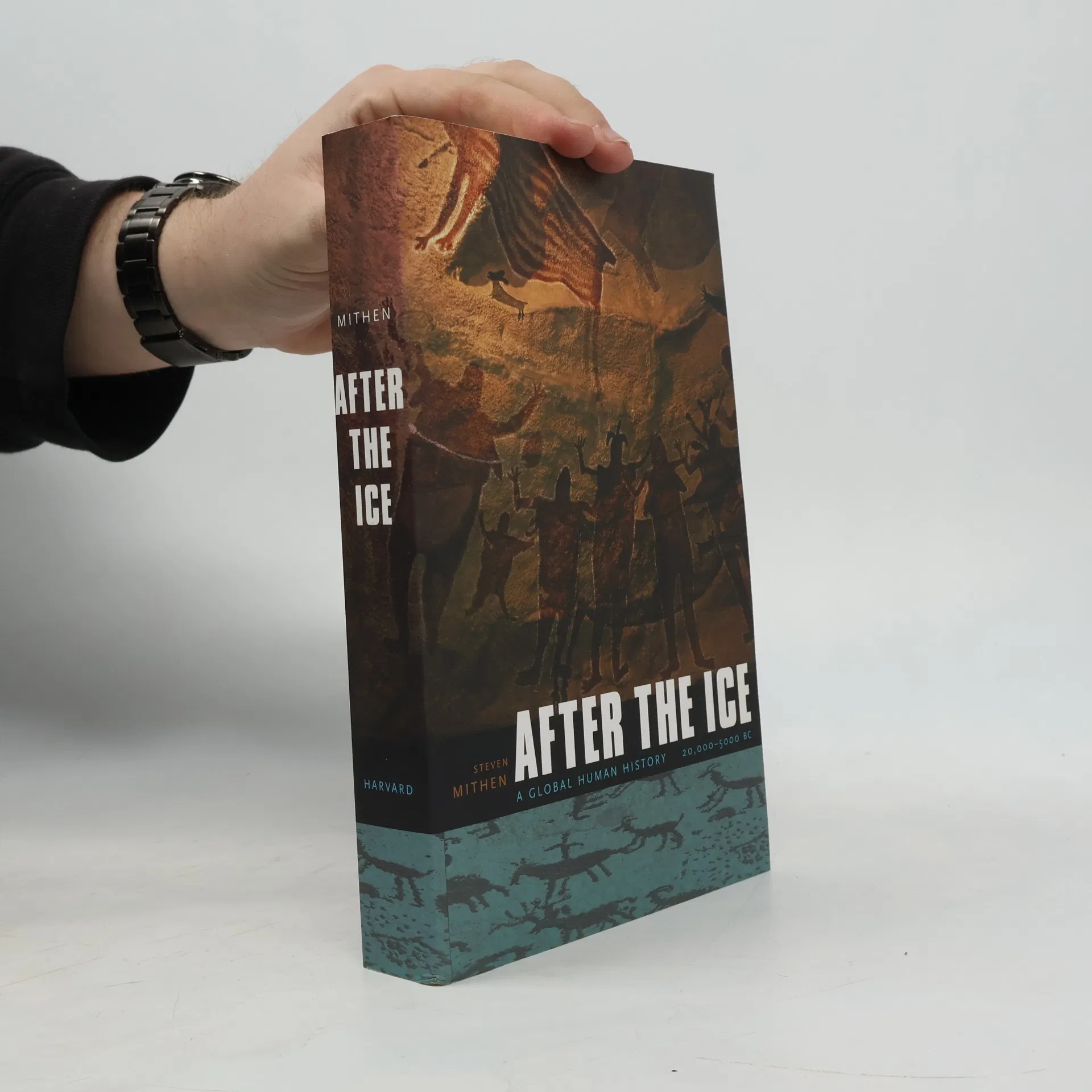
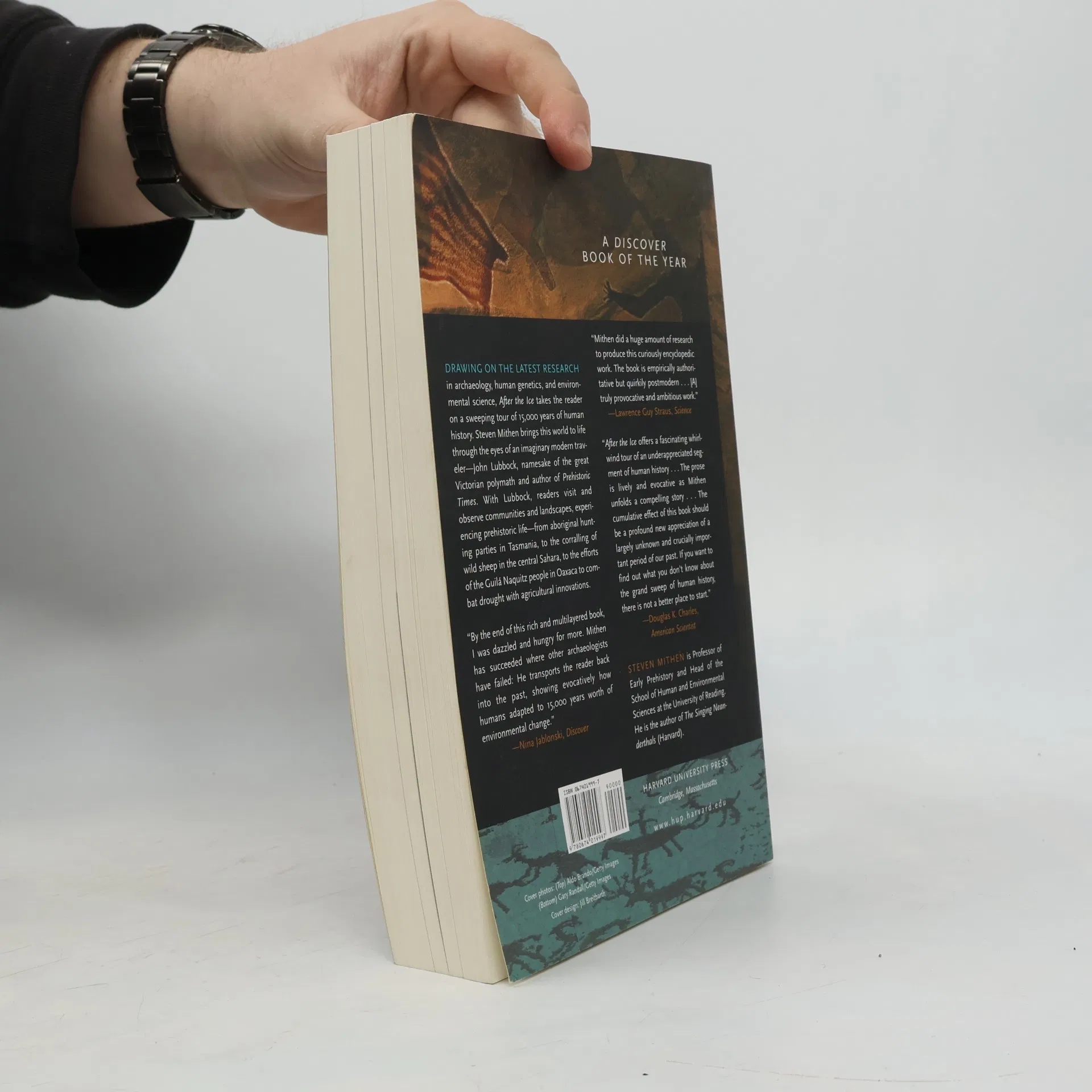
20,000 B.C., during the last ice age, the atmosphere is laden with dust while deserts and glaciers dominate the landscape. People exist in small, mobile groups, facing extinction. Yet, they stand on the brink of significant change—10,000 years of climate shifts are leading to abrupt global warming, which will transform the human world. This narrative explores a pivotal time when minor temperature changes could result in either lush woodlands or catastrophic floods, marking the origins of civilization. Drawing on the latest research in archaeology, human genetics, and environmental science, the story spans 15,000 years of human history. It is brought to life through the eyes of an imaginary modern traveler, John Lubbock, inspired by the Victorian polymath and author of Prehistoric Times. Accompanying Lubbock, readers explore diverse communities and landscapes, experiencing prehistoric life—from aboriginal hunting parties in Tasmania to the corralling of wild sheep in the Sahara, and the agricultural innovations of the Guila Naquitz people in Oaxaca combating drought. Part history, part science, and part time travel, this narrative offers an evocative portrayal of the diverse cultures and landscapes that laid the foundations of the modern world.


Nákup knihy
After the Ice, Steven J. Mithen
- Jazyk

- Rok vydání
- 2006
- Vazba
- (měkká),
- Stav knihy
- Dobrá
- Cena
- 369 Kč
Doručení
Platební metody
Tady nám chybí tvá recenze.
- Titul
- After the Ice
- Podtitul
- A Global Human History, 20,000-5000 BC
- Jazyk
- anglicky
- Autoři
- Steven J. Mithen
- Vydavatel
- Harvard University Press
- Rok vydání
- 2006
- Vazba
- měkká
- Počet stran
- 664
- ISBN10
- 0674019997
- ISBN13
- 9780674019997
- Série
- Kategorie
- První vydání
- 2003
- Původní název
- After the ice: a global human history, 20,000-5000 BC
- Hodnocení
- 3,95 z 5
- Anotace
- 20,000 B.C., during the last ice age, the atmosphere is laden with dust while deserts and glaciers dominate the landscape. People exist in small, mobile groups, facing extinction. Yet, they stand on the brink of significant change—10,000 years of climate shifts are leading to abrupt global warming, which will transform the human world. This narrative explores a pivotal time when minor temperature changes could result in either lush woodlands or catastrophic floods, marking the origins of civilization. Drawing on the latest research in archaeology, human genetics, and environmental science, the story spans 15,000 years of human history. It is brought to life through the eyes of an imaginary modern traveler, John Lubbock, inspired by the Victorian polymath and author of Prehistoric Times. Accompanying Lubbock, readers explore diverse communities and landscapes, experiencing prehistoric life—from aboriginal hunting parties in Tasmania to the corralling of wild sheep in the Sahara, and the agricultural innovations of the Guila Naquitz people in Oaxaca combating drought. Part history, part science, and part time travel, this narrative offers an evocative portrayal of the diverse cultures and landscapes that laid the foundations of the modern world.