

Parametry
- 288 stránek
- 11 hodin čtení
Více o knize
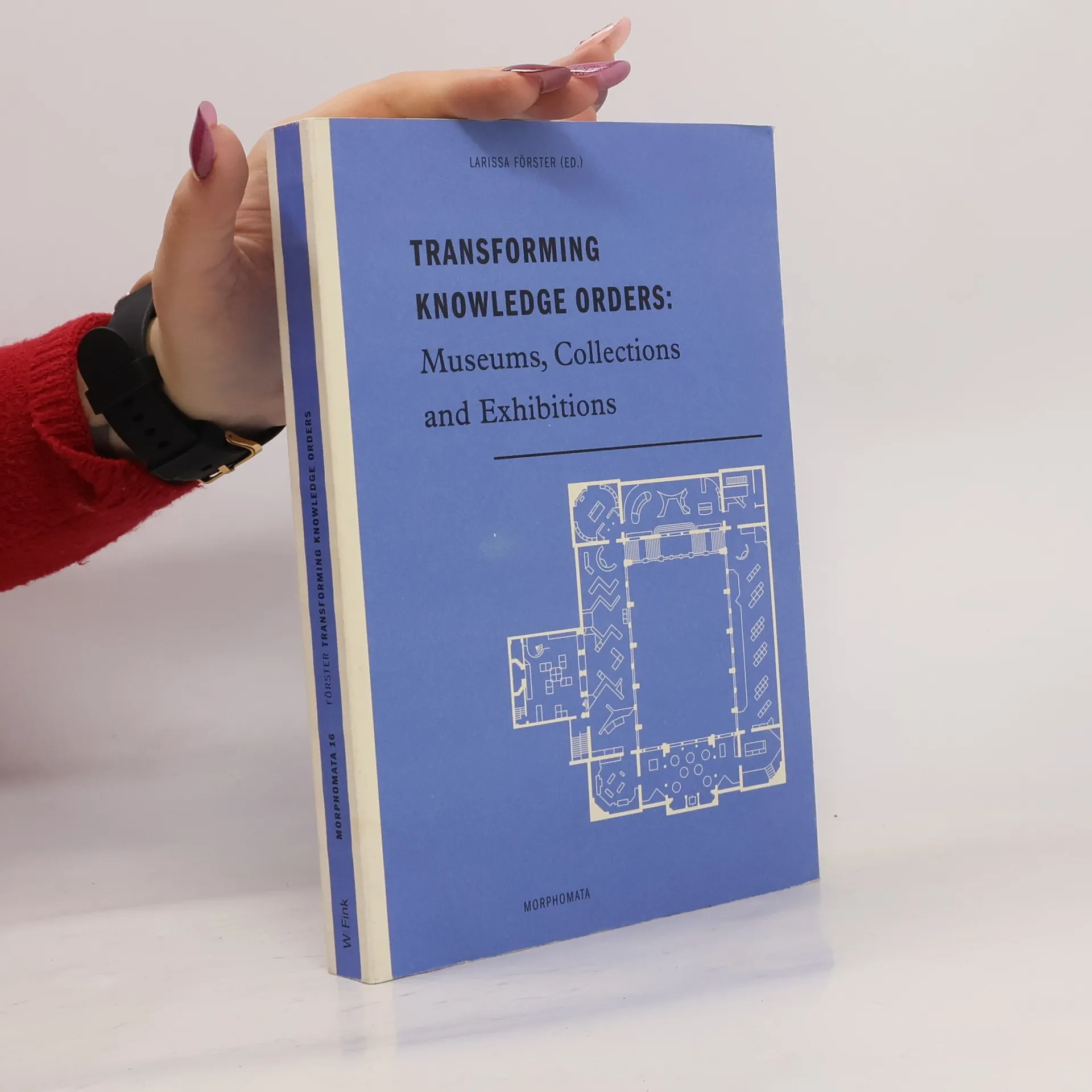
Museums transmit and disseminate, yet also produce knowledge. Collections and exhibitions reflect scientific theory and scholarly practice, and in turn shape them. This volume brings together case studies from various historical and cultural contexts that illuminate such dynamics. On the one hand, museums visualize and stabilize orders of knowledge through assembling, classifying and exhibiting objects; on the other hand, new academic paradigms and political changes and upheavals lead to a rearrangement of facts and artifacts in museum storerooms and displays. The volume focuses on transcultural collections and exhibitions such as curiosity cabinets, ethnographic and archeological collections, but also explores transformative moments in the history of art museums as well as science as technology museums.
Nákup knihy
Morphomata - 16: Transforming Knowledge Orders, Larissa Förster
- Jazyk

- Rok vydání
- 2014
- Vazba
- (měkká)
Doručení
Platební metody
Nikdo zatím neohodnotil.
- Titul
- Morphomata - 16: Transforming Knowledge Orders
- Podtitul
- Museums, Collections and Exhibitions
- Jazyk
- anglicky
- Autoři
- Larissa Förster
- Vydavatel
- Fink
- Rok vydání
- 2014
- Vazba
- měkká
- Počet stran
- 288
- ISBN10
- 3770556135
- ISBN13
- 9783770556137
- Série
- Kategorie
- Štítky
- Byznys, Umění, Vysokoškolské učebnice, Katalogy výstav, Série, Historie umění, Učebnice dějepisu, Muzea, Vědomosti a poznání, Sociální historie
- Anotace
- Museums transmit and disseminate, yet also produce knowledge. Collections and exhibitions reflect scientific theory and scholarly practice, and in turn shape them. This volume brings together case studies from various historical and cultural contexts that illuminate such dynamics. On the one hand, museums visualize and stabilize orders of knowledge through assembling, classifying and exhibiting objects; on the other hand, new academic paradigms and political changes and upheavals lead to a rearrangement of facts and artifacts in museum storerooms and displays. The volume focuses on transcultural collections and exhibitions such as curiosity cabinets, ethnographic and archeological collections, but also explores transformative moments in the history of art museums as well as science as technology museums.