



Více o knize
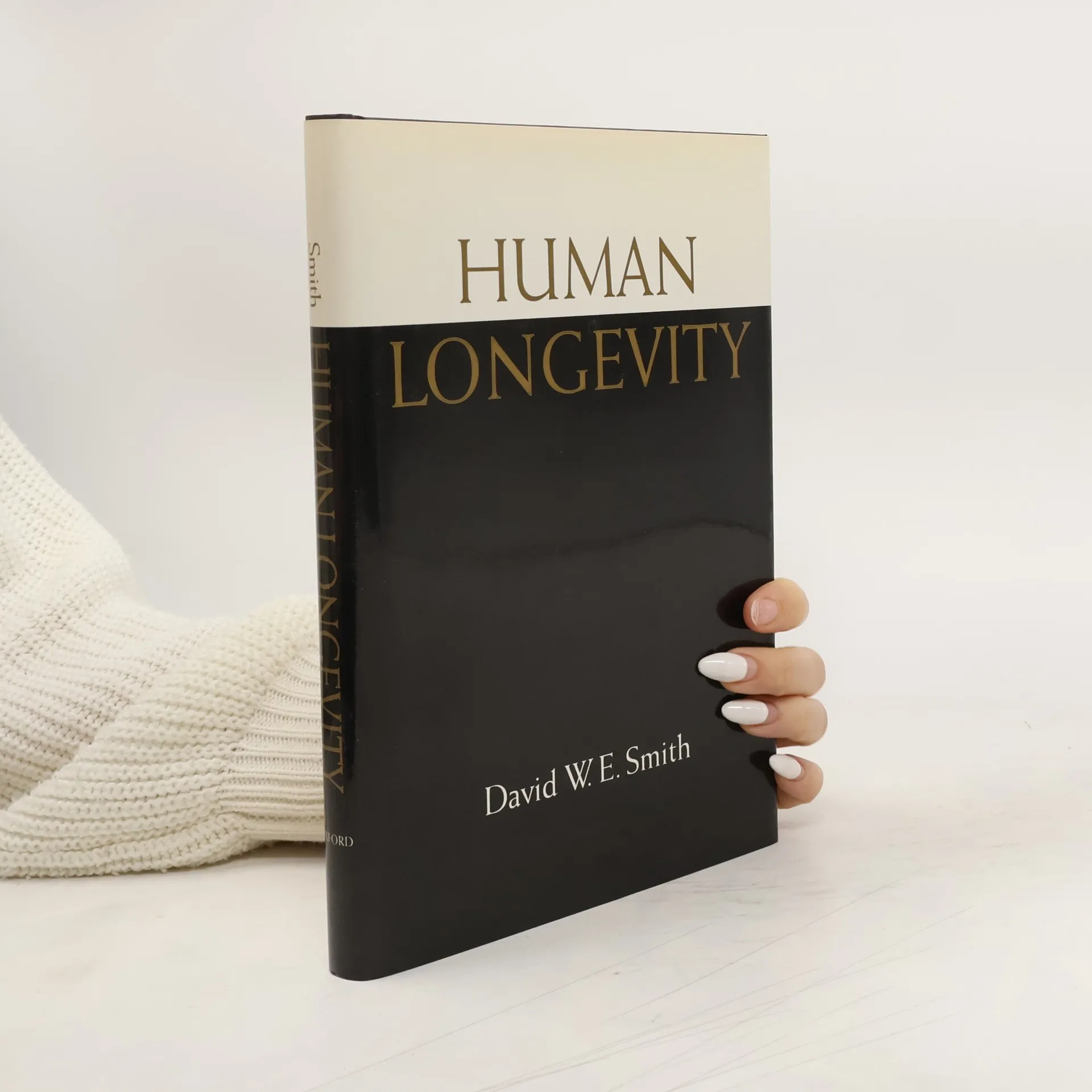
This absorbing, balanced account of human longevity draws together information from the fields of medicine, biology, demography, epidemiology, gerontology, and sociology. It describes the history and present status of human longevity and deals in logical sequence with the questions this subject raises. The book illustrates how life expectancy has increased in most countries due, in part, to changing causes of death. It examines the biological determinants of longevity and analyzes social and behavioral factors that may reduce longevity. The book covers the reasons why women live longer than men. It asks why the maximum human life span is nearly twice that of any other warm-blooded animal and much longer than required for reproductive success, and it discusses factors that were involved in the evolution of longevity. It presents predictable increases in human life expectancy and explores the possibility that the maximum human life expectancy may become even longer. Accessible, comprehensive, and original, this book provides a multidisciplinary synthesis of ideas and conclusions about human longevity. It will have wide appeal to professionals in the many areas concerned with longevity as well as lay readers.
Nákup knihy
Human Longevity, David W. E. Smith
- Jazyk

- Rok vydání
- 1993
- Vazba
- (pevná)
Doručení
Platební metody
Nikdo zatím neohodnotil.
- Titul
- Human Longevity
- Jazyk
- anglicky
- Autoři
- David W. E. Smith
- Vydavatel
- Oxford University Press
- Rok vydání
- 1993
- Vazba
- pevná
- Počet stran
- 192
- ISBN10
- 019508313X
- ISBN13
- 9780195083132
- Série
- Kategorie
- Štítky
- Anotace
- This absorbing, balanced account of human longevity draws together information from the fields of medicine, biology, demography, epidemiology, gerontology, and sociology. It describes the history and present status of human longevity and deals in logical sequence with the questions this subject raises. The book illustrates how life expectancy has increased in most countries due, in part, to changing causes of death. It examines the biological determinants of longevity and analyzes social and behavioral factors that may reduce longevity. The book covers the reasons why women live longer than men. It asks why the maximum human life span is nearly twice that of any other warm-blooded animal and much longer than required for reproductive success, and it discusses factors that were involved in the evolution of longevity. It presents predictable increases in human life expectancy and explores the possibility that the maximum human life expectancy may become even longer. Accessible, comprehensive, and original, this book provides a multidisciplinary synthesis of ideas and conclusions about human longevity. It will have wide appeal to professionals in the many areas concerned with longevity as well as lay readers.