

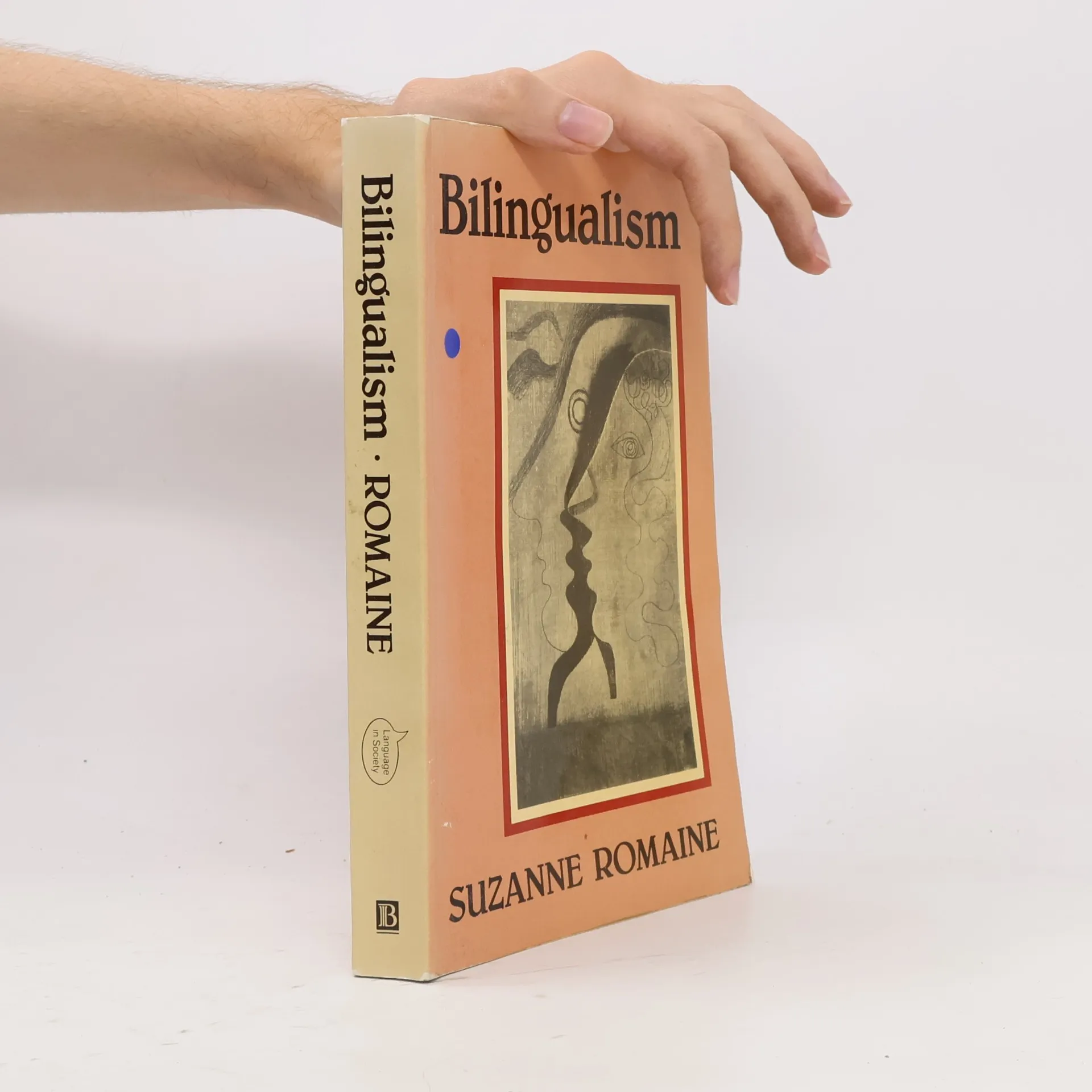
Více o knize
Since it was first published in 1989, Suzanne Romaine's book has been recognized as the most authoritative introduction to the sociolinguistics of bilingualism. The new edition has been completely revised to incorporate recent work in this fast developing field. Throughout the book, bilingualism is seen as both a societal and cognitive phenomenon. Professor Romaine explores various aspects of bilingual behavior, such as code switching and language mixing, in terms of neurolinguistic organization in the individual speaker. The author also assesses the positive and negative claims made for the effects of bilingualism on children's cognitive, social and academic development, and examines the assumptions behind various language policies and programs for bilingual children. In all this, Professor Romaine draws on her own research with Punjabi /Engllish bilinguals in Britain, and Tok Pisin/ English bilingual children in Papua New Guinea.
Vydání

Nákup knihy
Bilingualism, Suzanne Romaine
- Jazyk

- Rok vydání
- 1989
- Vazba
- (měkká)
Doručení
Platební metody
Tady nám chybí tvá recenze.
- Titul
- Bilingualism
- Jazyk
- anglicky
- Autoři
- Suzanne Romaine
- Vydavatel
- Blackwell
- Rok vydání
- 1989
- Vazba
- měkká
- Počet stran
- 384
- ISBN10
- 0631152261
- ISBN13
- 9780631152262
- Série
- Hodnocení
- 4,05 z 5
- Anotace
- Since it was first published in 1989, Suzanne Romaine's book has been recognized as the most authoritative introduction to the sociolinguistics of bilingualism. The new edition has been completely revised to incorporate recent work in this fast developing field. Throughout the book, bilingualism is seen as both a societal and cognitive phenomenon. Professor Romaine explores various aspects of bilingual behavior, such as code switching and language mixing, in terms of neurolinguistic organization in the individual speaker. The author also assesses the positive and negative claims made for the effects of bilingualism on children's cognitive, social and academic development, and examines the assumptions behind various language policies and programs for bilingual children. In all this, Professor Romaine draws on her own research with Punjabi /Engllish bilinguals in Britain, and Tok Pisin/ English bilingual children in Papua New Guinea.