



Více o knize
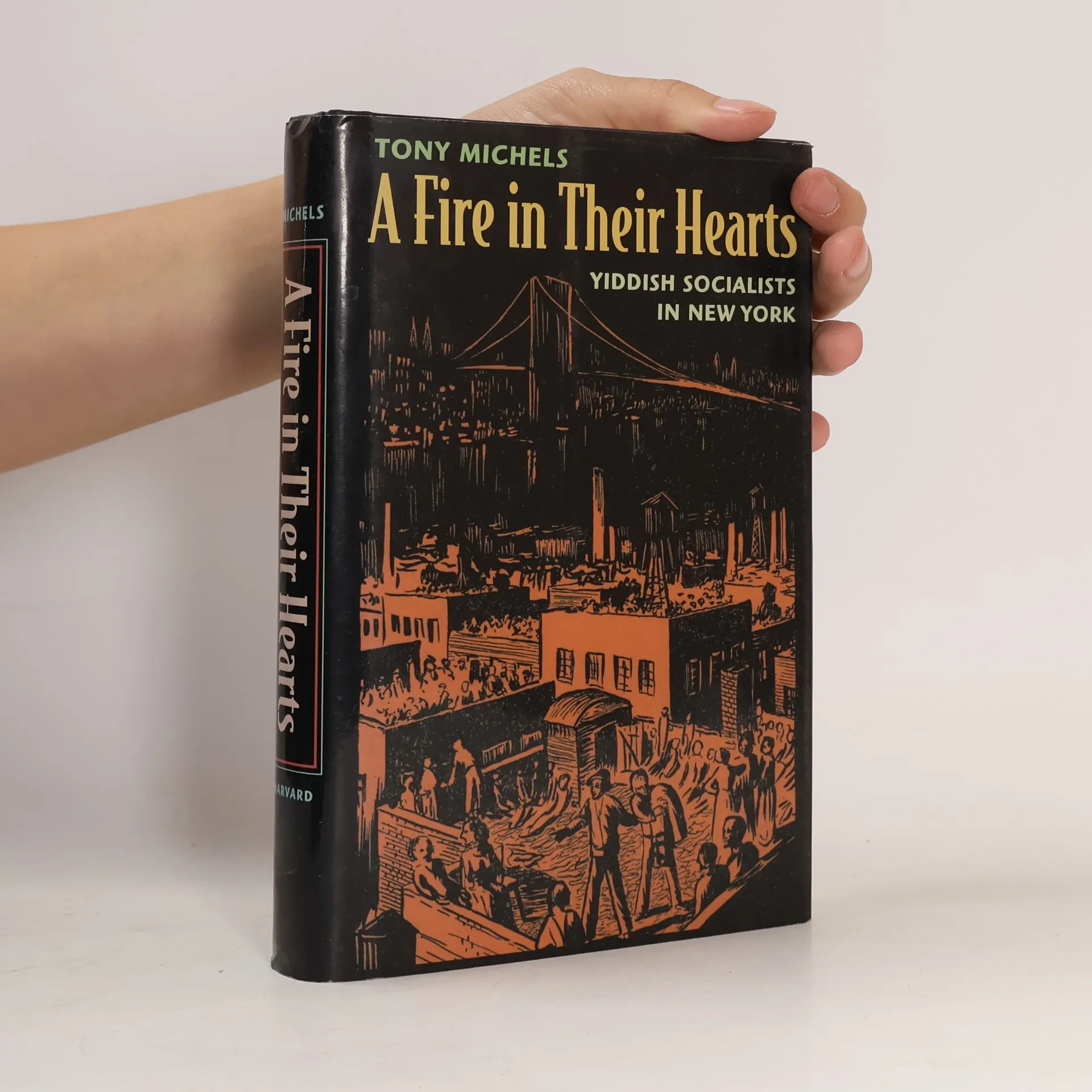
In a compelling history of the Jewish community in New York during mass immigration, Tony Michels examines the pivotal role of the Yiddish socialist movement in the American Jewish experience. Founded in the 1880s and led by Russian-speaking intellectuals like Abraham Cahan and Chaim Zhitlovsky, the movement utilized Yiddish to effectively communicate with the immigrant community. It fostered a vibrant public culture through lectures, social events, workers' education societies, Yiddish schools, and the influential newspaper Forverts. Michels argues against the notion that socialism and Yiddish culture were merely Old World remnants, demonstrating instead that they emerged in New York as responses to local conditions, thriving alongside Americanization. The movement's influence extended beyond the Lower East Side, creating a transnational culture where ideas and individuals crossed the Atlantic. Initially, New York Jews exported Yiddish socialism to Russia, shaping Jewish communities across the United States into the twentieth century. This movement left a significant political legacy, contributing to the rise of neoconservatism. A narrative of both successes and disappointments, this work vividly captures a formative period for American Jews and the American left.
Vydání

Nákup knihy
A Fire in Their Hearts, Tony Michels
- Jazyk

- Rok vydání
- 2005
- Vazba
- (pevná),
- Stav knihy
- Dobrá
- Cena
- 359 Kč
Doručení
Platební metody
Tady nám chybí tvá recenze.
- Titul
- A Fire in Their Hearts
- Podtitul
- Yiddish Socialists in New York
- Jazyk
- anglicky
- Autoři
- Tony Michels
- Vydavatel
- Harvard University Press
- Rok vydání
- 2005
- Vazba
- pevná
- Počet stran
- 352
- ISBN10
- 067401913X
- ISBN13
- 9780674019133
- Série
- Štítky
- Historické téma, USA, 20. století, Židé, Politické teorie, New York, Judaica, Židovská literatura, Sociální historie
- Hodnocení
- 4,65 z 5
- Anotace
- In a compelling history of the Jewish community in New York during mass immigration, Tony Michels examines the pivotal role of the Yiddish socialist movement in the American Jewish experience. Founded in the 1880s and led by Russian-speaking intellectuals like Abraham Cahan and Chaim Zhitlovsky, the movement utilized Yiddish to effectively communicate with the immigrant community. It fostered a vibrant public culture through lectures, social events, workers' education societies, Yiddish schools, and the influential newspaper Forverts. Michels argues against the notion that socialism and Yiddish culture were merely Old World remnants, demonstrating instead that they emerged in New York as responses to local conditions, thriving alongside Americanization. The movement's influence extended beyond the Lower East Side, creating a transnational culture where ideas and individuals crossed the Atlantic. Initially, New York Jews exported Yiddish socialism to Russia, shaping Jewish communities across the United States into the twentieth century. This movement left a significant political legacy, contributing to the rise of neoconservatism. A narrative of both successes and disappointments, this work vividly captures a formative period for American Jews and the American left.