

Více o knize
Supreme enlightenment is often symbolized by the Buddha's serene smile, yet the Victorians viewed open-mouthed smiles as obscene, associating "smiling" with whisky in their slang. Every smile results from universal physical processes, but throughout history, the upward movement of facial muscles has conveyed a myriad of meanings. In this exploration, Angus Trumble intricately combines art, poetry, history, and biology to present the complexities of the human smile. He illustrates his insights with notable artworks, ranging from 18th and 19th-century European paintings to Japanese woodblock prints, examining the cultural and contextual significance of smiling. Trumble poses critical questions about the behavioral and psychological dimensions of smiles: When does smiling in infancy evolve into meaningful communication? Is it exclusive to humans? How does it strengthen our connections? With a blend of erudition, wit, and personal anecdotes, he crafts a rich interdisciplinary narrative. As a recognized figure in the art scenes of Europe and Australia, Trumble challenges entrenched beliefs about smiling. He delves into the darker aspects of smiles through Jusepe de Ribera's work and discusses the nuances of "public" smiles in J.A. Ingres' portrait, highlighting the tension between decorum and beauty in this captivating analysis.

Nákup knihy
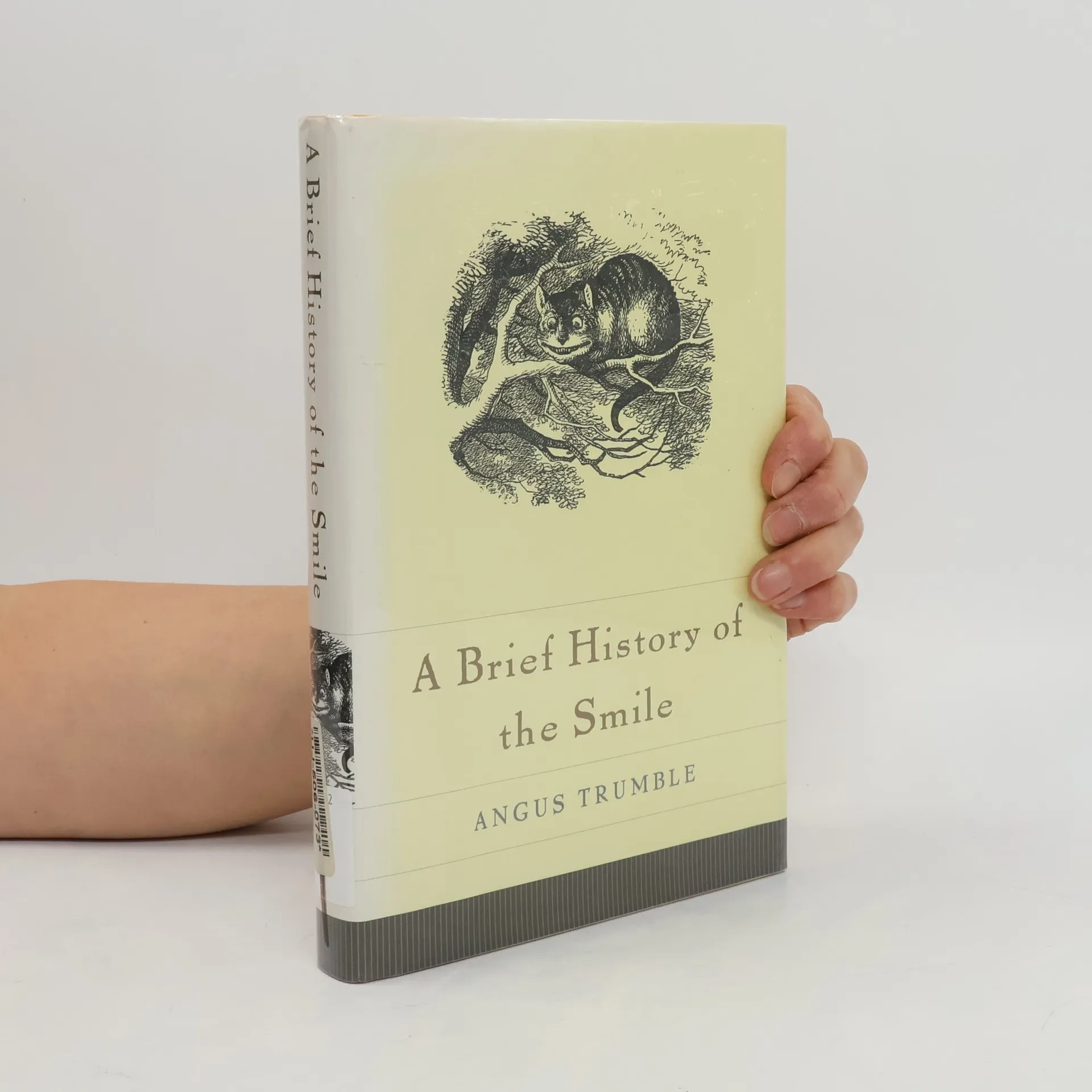
A Brief History of the Smile, Angus Trumble
- Jazyk

- Rok vydání
- 2004
- Vazba
- (pevná)
Tady nám chybí tvá recenze.
- Titul
- A Brief History of the Smile
- Jazyk
- anglicky
- Autoři
- Angus Trumble
- Vydavatel
- Basic Books
- Rok vydání
- 2004
- Vazba
- pevná
- Počet stran
- 272
- ISBN10
- 0465087779
- ISBN13
- 9780465087778
- Série
- Kategorie
- Štítky
- Příručky a návody, Věda
- Hodnocení
- 2,65 z 5
- Anotace
- Supreme enlightenment is often symbolized by the Buddha's serene smile, yet the Victorians viewed open-mouthed smiles as obscene, associating "smiling" with whisky in their slang. Every smile results from universal physical processes, but throughout history, the upward movement of facial muscles has conveyed a myriad of meanings. In this exploration, Angus Trumble intricately combines art, poetry, history, and biology to present the complexities of the human smile. He illustrates his insights with notable artworks, ranging from 18th and 19th-century European paintings to Japanese woodblock prints, examining the cultural and contextual significance of smiling. Trumble poses critical questions about the behavioral and psychological dimensions of smiles: When does smiling in infancy evolve into meaningful communication? Is it exclusive to humans? How does it strengthen our connections? With a blend of erudition, wit, and personal anecdotes, he crafts a rich interdisciplinary narrative. As a recognized figure in the art scenes of Europe and Australia, Trumble challenges entrenched beliefs about smiling. He delves into the darker aspects of smiles through Jusepe de Ribera's work and discusses the nuances of "public" smiles in J.A. Ingres' portrait, highlighting the tension between decorum and beauty in this captivating analysis.