



Thrive
Fundamentals for a New Economy
Hodnocení knihy
Více o knize
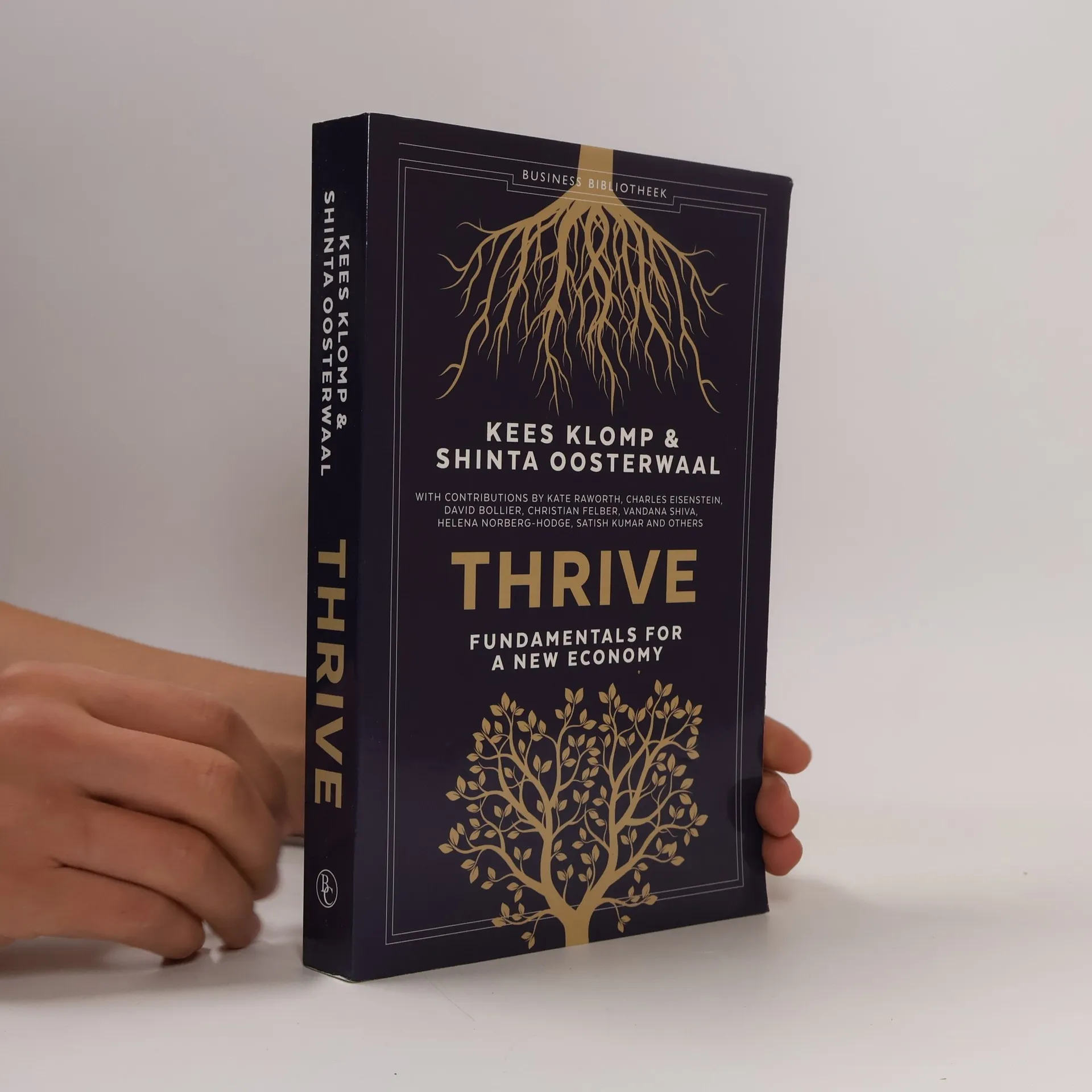
In 'Thrive. Fundamentals for a New Economy', Kees Klomp and Shinta Oosterwaal provide insights into alternative approaches to economics that are sustainable and just for both society and the planet in the long term. In twenty-four essays, internationally renowned economic thinkers like Kate Raworth, Charles Eisenstein, Clair Brown, Helena Norberg-Hodge and Daniel C. Wahl, share the alternatives that are available to us, such as doughnut economics, wellbeing economics, common good economics, regenerative economics, buddhist economics, commons economics, local economics, bioregional economics, indigenous economics and degrowth economics. Each of these approaches provides a realistic and enticing vision of a thriving future. ‘Thrive’ offers readers the fundamentals for a new economy that is rooted in the well-being of humanity and of our planet. This book is a must-read for anyone in search of economic perspectives that contribute to a flourishing world.
Nákup knihy
Thrive, Charles Eisenstein, Kate Raworth, Satish Kumar, Vandana Shiva, Christian Felber, Helena Norberg-Hodge, David Bollier, Shinta Oosterwaal, Kees Klomp
- Jazyk

- Rok vydání
- 2020
- Vazba
- (měkká)
Doručení
Platební metody
Tady nám chybí tvá recenze.
- Titul
- Thrive
- Podtitul
- Fundamentals for a New Economy
- Jazyk
- anglicky
- Autoři
- Charles Eisenstein, Kate Raworth, Satish Kumar, Vandana Shiva, Christian Felber, Helena Norberg-Hodge, David Bollier, Shinta Oosterwaal, Kees Klomp
- Vydavatel
- Atlas-Contact
- Rok vydání
- 2020
- Vazba
- měkká
- Počet stran
- 428
- ISBN10
- 9047014758
- ISBN13
- 9789047014751
- Série
- Štítky
- Byznys, Vědecké teorie, Udržitelnost, Makroekonomie
- Hodnocení
- 4,05 z 5
- Anotace
- In 'Thrive. Fundamentals for a New Economy', Kees Klomp and Shinta Oosterwaal provide insights into alternative approaches to economics that are sustainable and just for both society and the planet in the long term. In twenty-four essays, internationally renowned economic thinkers like Kate Raworth, Charles Eisenstein, Clair Brown, Helena Norberg-Hodge and Daniel C. Wahl, share the alternatives that are available to us, such as doughnut economics, wellbeing economics, common good economics, regenerative economics, buddhist economics, commons economics, local economics, bioregional economics, indigenous economics and degrowth economics. Each of these approaches provides a realistic and enticing vision of a thriving future. ‘Thrive’ offers readers the fundamentals for a new economy that is rooted in the well-being of humanity and of our planet. This book is a must-read for anyone in search of economic perspectives that contribute to a flourishing world.