

Série
Více o knize
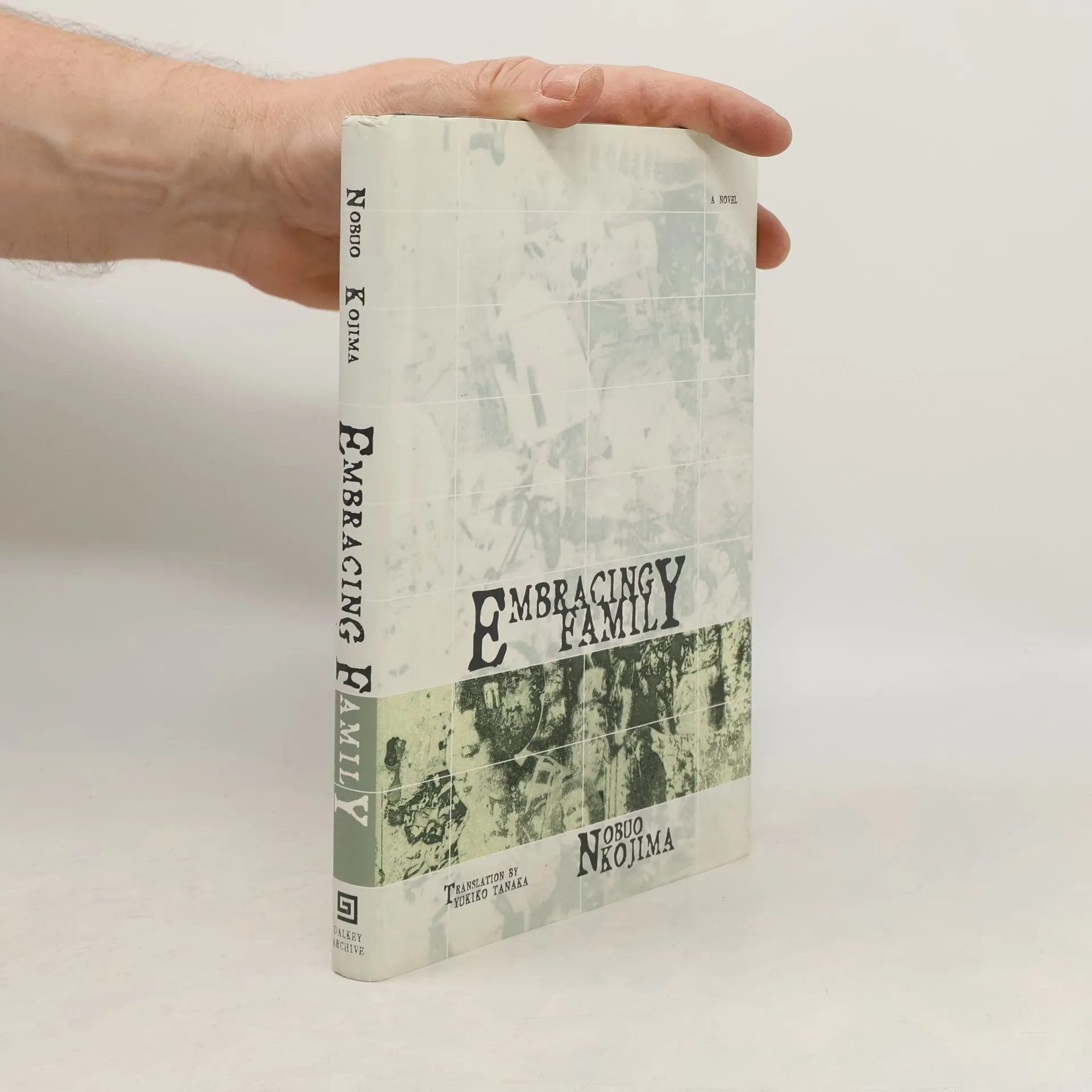
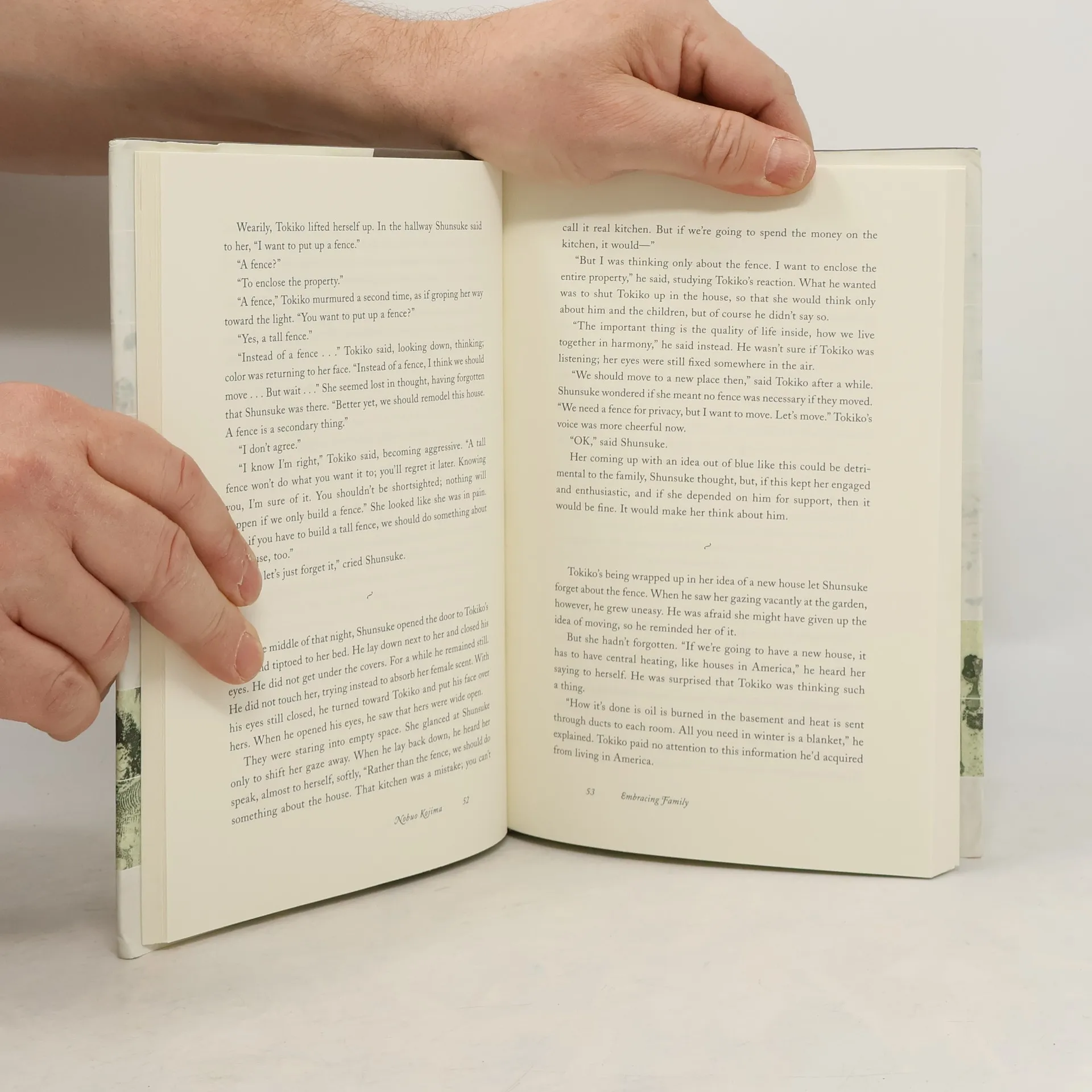
Set during the U.S. Occupation following World War II, Embracing Family is a novel of conflict--between Western and Eastern traditions, between a husband and wife, between ideals and reality. At the opening of the book, Miwa Shunsuke and his wife are trapped in a strained marriage, subtly attacking one another in a manner similar to that of the characters in Who's Afraid of Virginia Woolf? When his wife has an affair with an American GI, Miwa is forced to come to terms with the disintegration of their relationship and the fact that his attempts to repair it only exacerbate the situation. An award-winning novel, critics have read this book as a metaphor of postwar Japanese society, in which the traditional moral and philosophical basis of Japanese culture is neglected in favor of Western conventions.

Nákup knihy
Embracing Family, Nobuo Kojima, Yukiko Tanaka
- Jazyk

- Rok vydání
- 2005
- Vazba
- (pevná)
Doručení
Platební metody
Tady nám chybí tvá recenze.
- Titul
- Embracing Family
- Jazyk
- anglicky
- Autoři
- Nobuo Kojima, Yukiko Tanaka
- Vydavatel
- Dalkey Archive Press
- Rok vydání
- 2005
- Vazba
- pevná
- Počet stran
- 190
- ISBN10
- 1564784053
- ISBN13
- 9781564784056
- Série
- Japonská literatura
- Kategorie
- Štítky
- Vztahy, Japonsko, Japonská literatura, Rodinné vztahy, Rakovina, nádory, Podvody, Skandály a aféry, Zoufalství, Odcizení
- Původní název
- Hōyō-kazoku
- Hodnocení
- 3,05 z 5
- Anotace
- Set during the U.S. Occupation following World War II, Embracing Family is a novel of conflict--between Western and Eastern traditions, between a husband and wife, between ideals and reality. At the opening of the book, Miwa Shunsuke and his wife are trapped in a strained marriage, subtly attacking one another in a manner similar to that of the characters in Who's Afraid of Virginia Woolf? When his wife has an affair with an American GI, Miwa is forced to come to terms with the disintegration of their relationship and the fact that his attempts to repair it only exacerbate the situation. An award-winning novel, critics have read this book as a metaphor of postwar Japanese society, in which the traditional moral and philosophical basis of Japanese culture is neglected in favor of Western conventions.