

Více o knize
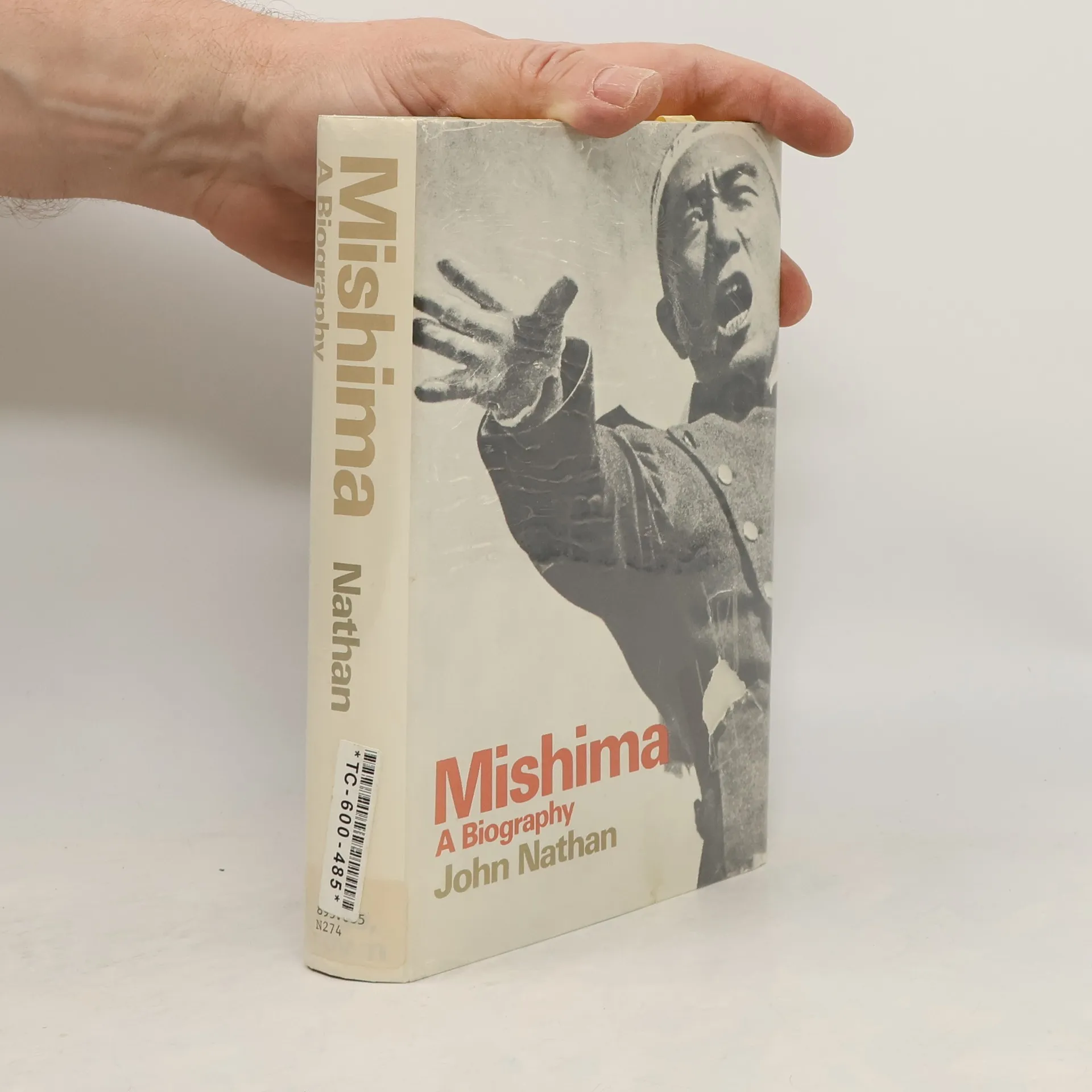
In 1970, at the age of forty-five, Kimitake Hiranka, known as Yukio Mishima, was a preeminent Japanese writer, having produced forty novels, eighteen plays, and numerous volumes of short stories and essays. That November, he executed a meticulously planned ritual suicide, marking a horrifying yet inevitable climax to his life—a life characterized by a relentless pursuit of beauty. John Nathan’s biography delves into Mishima’s troubled childhood, dominated by a sickly grandmother who instilled in him a longing for an irretrievable past, alongside a mother whose jealousy and a father’s opposition shaped his ambitions. It explores his early fixation on purity and beauty, leading to a later embrace of erotic nihilism, and the tension between his conventional life as a husband and father and his homosexual and sadomasochistic tendencies. Ultimately, it reveals his growing obsession with death as both a dramatic act and a form of ultimate beauty.
Vydání

Nákup knihy
Mishima: A Biography, John Nathan
- Jazyk

- Rok vydání
- 1974
- Vazba
- (pevná)
Doručení
Platební metody
Tady nám chybí tvá recenze.
- Titul
- Mishima: A Biography
- Jazyk
- anglicky
- Autoři
- John Nathan
- Vydavatel
- Little, Brown & Company
- Rok vydání
- 1974
- Vazba
- pevná
- Série
- Štítky
- 20. století, Japonsko, Japonská literatura
- Hodnocení
- 4,25 z 5
- Anotace
- In 1970, at the age of forty-five, Kimitake Hiranka, known as Yukio Mishima, was a preeminent Japanese writer, having produced forty novels, eighteen plays, and numerous volumes of short stories and essays. That November, he executed a meticulously planned ritual suicide, marking a horrifying yet inevitable climax to his life—a life characterized by a relentless pursuit of beauty. John Nathan’s biography delves into Mishima’s troubled childhood, dominated by a sickly grandmother who instilled in him a longing for an irretrievable past, alongside a mother whose jealousy and a father’s opposition shaped his ambitions. It explores his early fixation on purity and beauty, leading to a later embrace of erotic nihilism, and the tension between his conventional life as a husband and father and his homosexual and sadomasochistic tendencies. Ultimately, it reveals his growing obsession with death as both a dramatic act and a form of ultimate beauty.