

Miláček čtenářů je právě vyprodaný
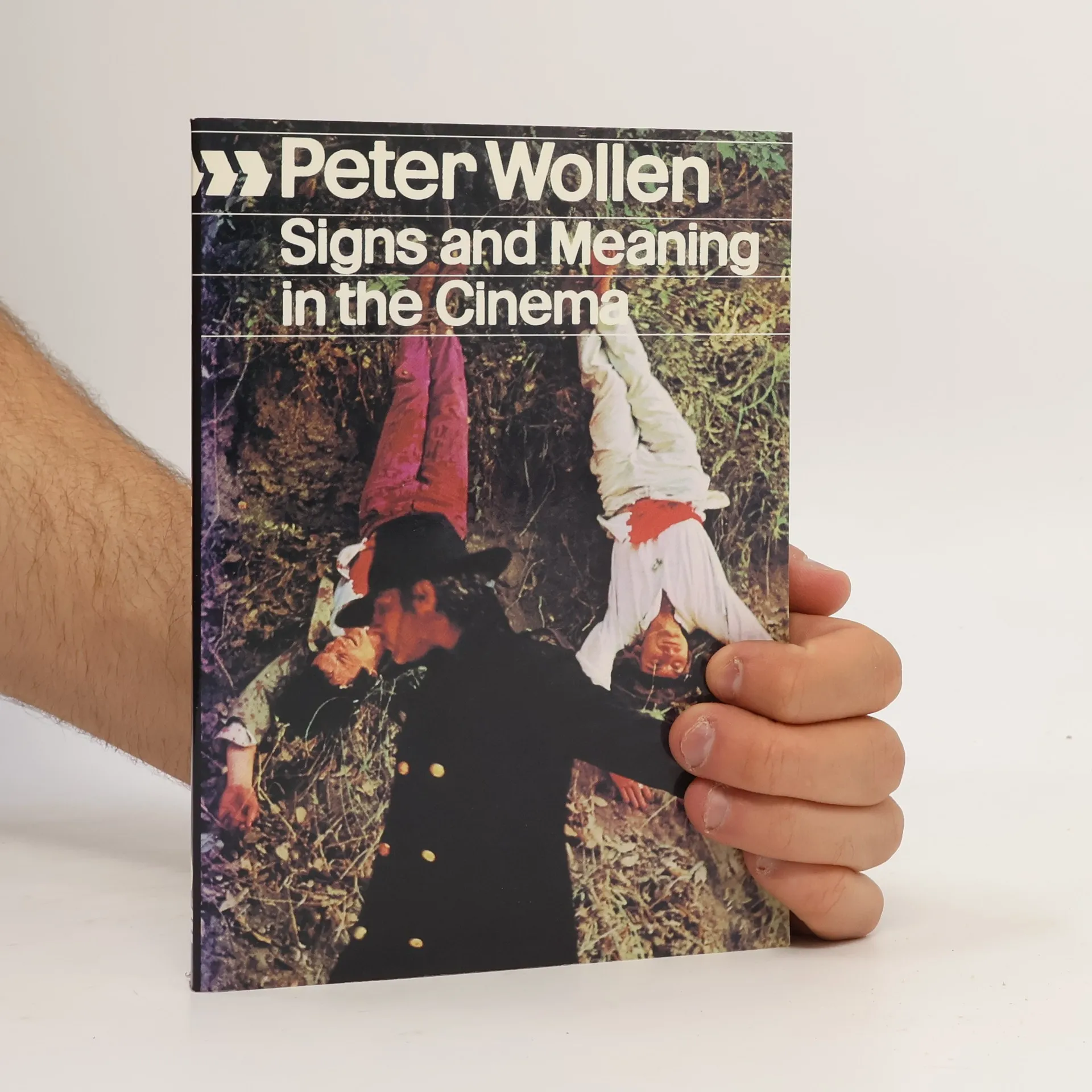
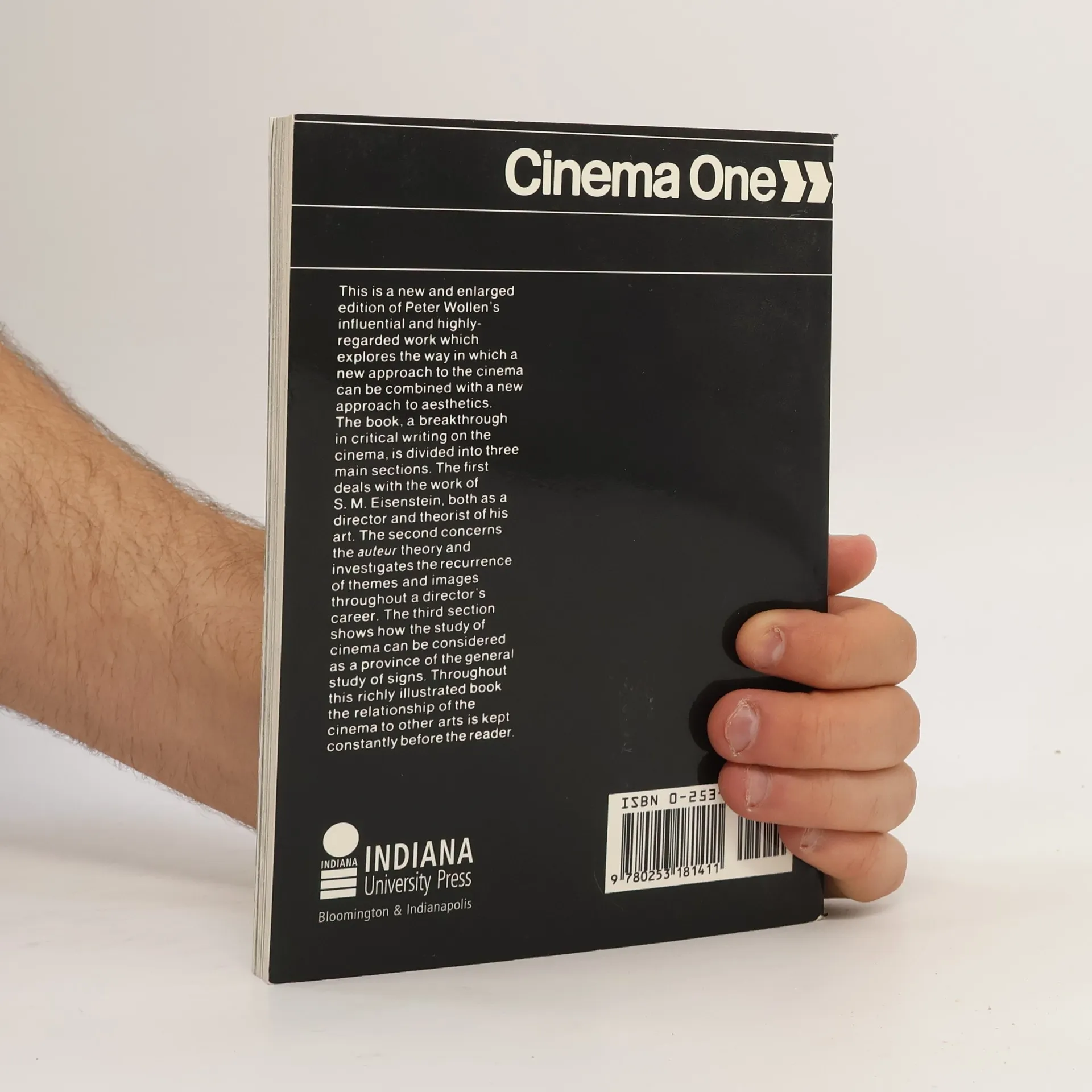
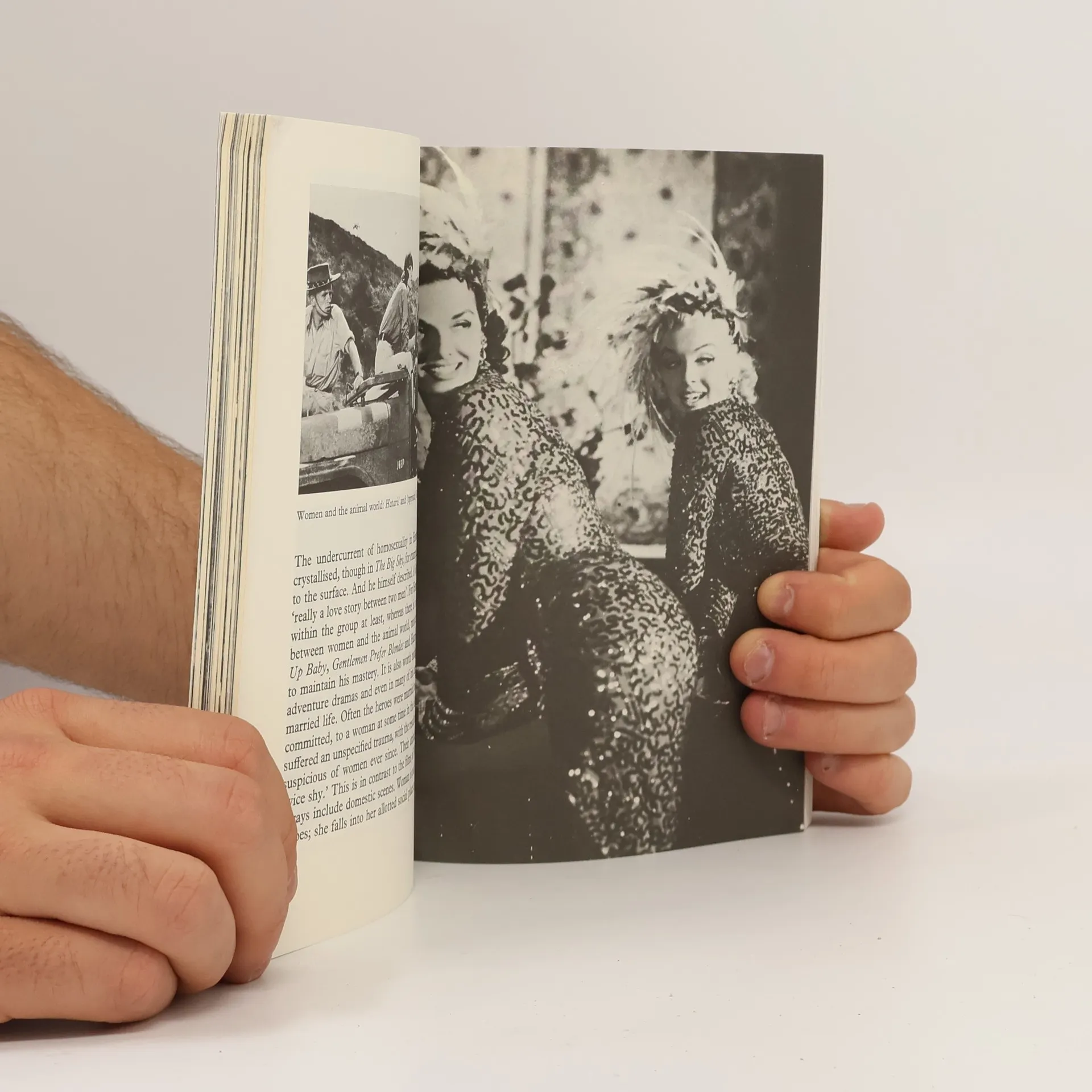
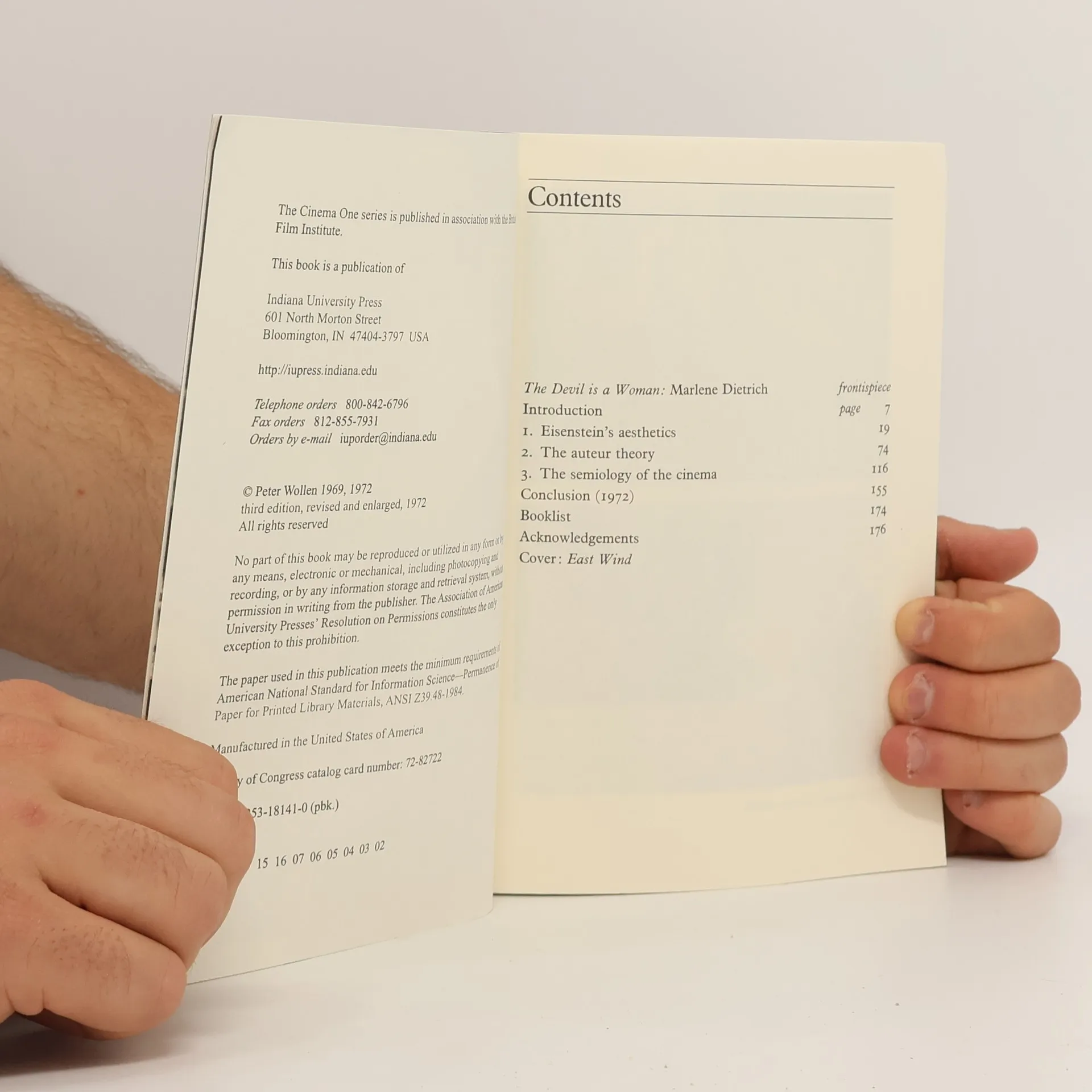
Více o knize
"Without doubt, it is the best study of cinema published in English for years." ―Cinema "... a major achievement... drawing on the results of aesthetic inquiry―from Shaftesbury and Lessing to Jakobson and the formalists―in order to relate the cinema to wider areas of linguistic theory and theory of art." ―Times Literary Supplement


Nákup knihy
Signs and Meaning in the Cinema, Peter Wollen
- Jazyk

- Rok vydání
- 2002
- Vazba
- (měkká)
Jakmile se objeví, pošleme e-mail.
Nikdo zatím neohodnotil.
- Titul
- Signs and Meaning in the Cinema
- Jazyk
- anglicky
- Autoři
- Peter Wollen
- Vydavatel
- Indiana University Press
- Rok vydání
- 2002
- Vazba
- měkká
- Počet stran
- 176
- ISBN10
- 0253181410
- ISBN13
- 9780253181411
- Série
- Kategorie
- Štítky
- Kina, biografy, Sémiotika, Filmová věda, Teorie filmu
- Anotace
- "Without doubt, it is the best study of cinema published in English for years." ―Cinema "... a major achievement... drawing on the results of aesthetic inquiry―from Shaftesbury and Lessing to Jakobson and the formalists―in order to relate the cinema to wider areas of linguistic theory and theory of art." ―Times Literary Supplement