


Parametry
- 558 stránek
- 20 hodin čtení
Více o knize
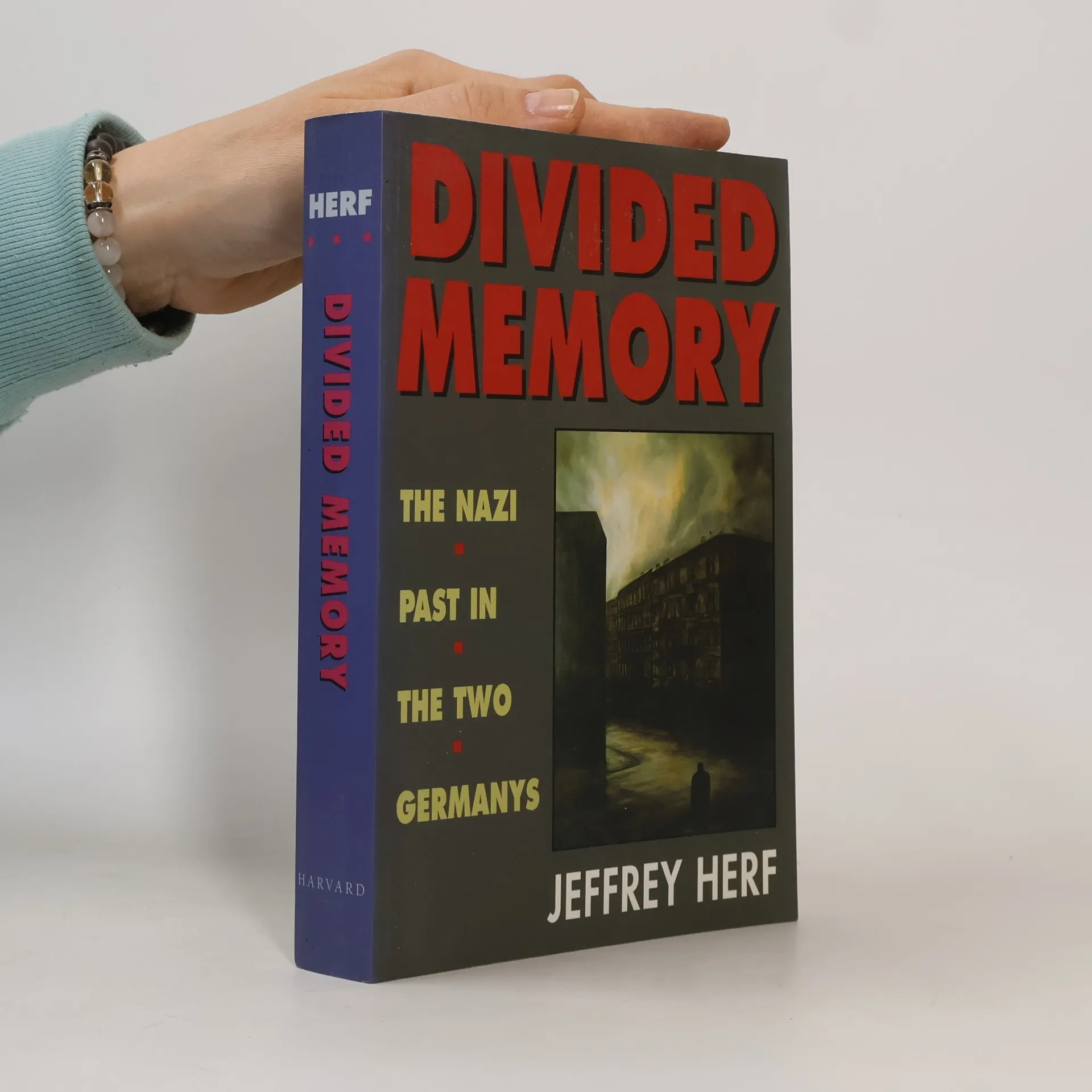
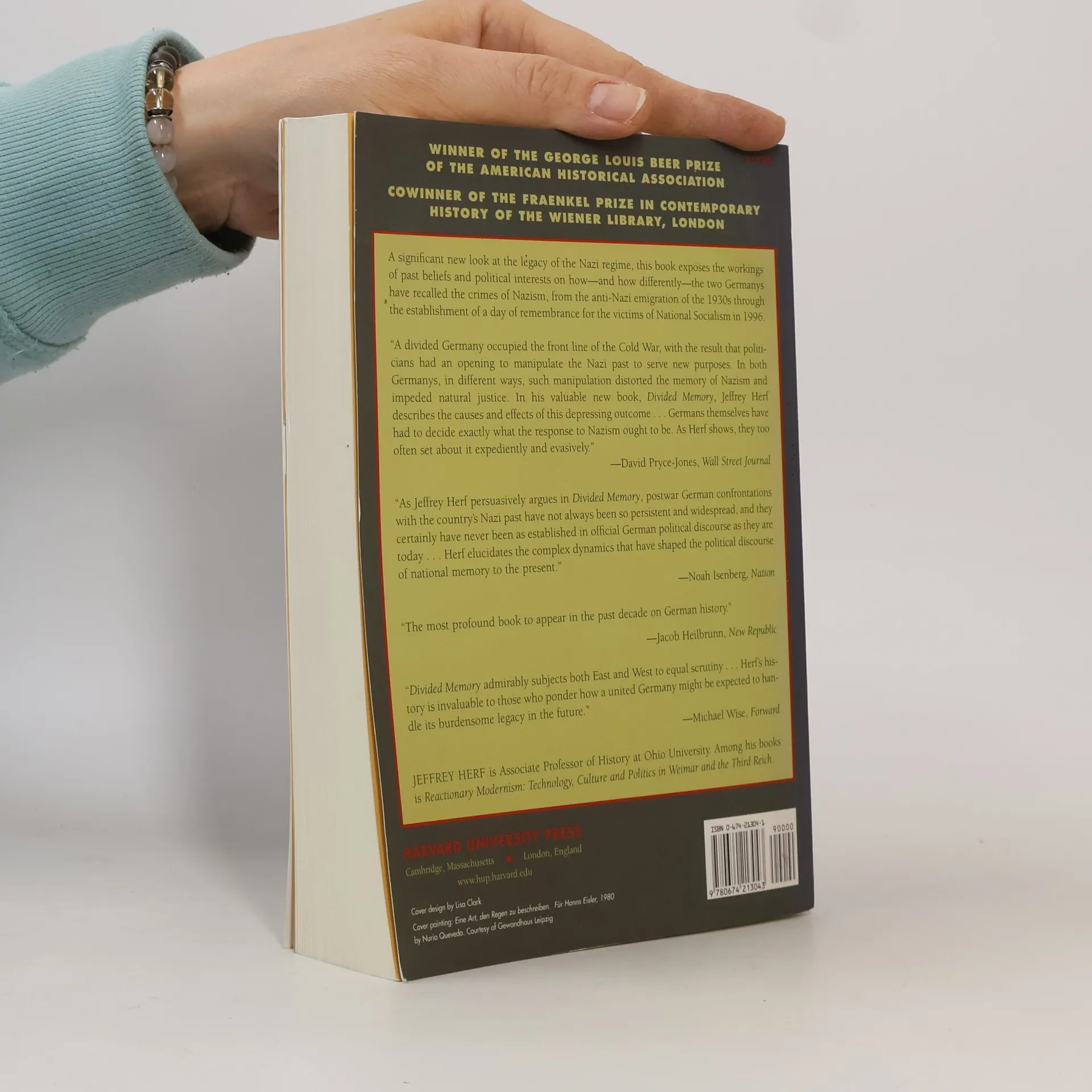
What has Germany made of its Nazi past? This significant examination reveals how the legacy of the Nazi regime has been shaped by historical beliefs and political interests in both East and West Germany. It explores the remembrance of Nazism's crimes, from the anti-Nazi emigration of the 1930s to the establishment of a day of remembrance for victims in 1996. Jeffrey Herf questions why German politicians invoke the Holocaust despite the support for its authors in Nazi Germany. He investigates the contrasting public memories of Nazi anti-Jewish persecution: how it emerged, albeit selectively, in West Germany while being repressed in "anti-fascist" East Germany. The book highlights how the politics of left and right influenced these divergent memories, revealing the relationship between public recollections of Nazism's crimes and the evolution of a Communist dictatorship in the East versus a liberal democracy in the West. Herf points to the Cold War's impact on public memory, examining the roles of prominent figures from both Germanys. By analyzing both West German and newly accessible East German archives, this work significantly contributes to understanding how Germany's recent past is remembered, framed within the ideologies and experiences of pre-1945 history and the shifting international alliances from World War II to the Cold War.

Nákup knihy
Divided Memory, Jeffrey Herf
- Jazyk

- Rok vydání
- 1997
- Vazba
- (měkká)
Doručení
Platební metody
Nikdo zatím neohodnotil.
- Titul
- Divided Memory
- Podtitul
- The Nazi Past in the Two Germanys
- Jazyk
- anglicky
- Autoři
- Jeffrey Herf
- Vydavatel
- Harvard University Press
- Rok vydání
- 1997
- Vazba
- měkká
- Počet stran
- 558
- ISBN10
- 0674213041
- ISBN13
- 9780674213043
- Série
- Kategorie
- Původní název
- Divided memory
- Anotace
- What has Germany made of its Nazi past? This significant examination reveals how the legacy of the Nazi regime has been shaped by historical beliefs and political interests in both East and West Germany. It explores the remembrance of Nazism's crimes, from the anti-Nazi emigration of the 1930s to the establishment of a day of remembrance for victims in 1996. Jeffrey Herf questions why German politicians invoke the Holocaust despite the support for its authors in Nazi Germany. He investigates the contrasting public memories of Nazi anti-Jewish persecution: how it emerged, albeit selectively, in West Germany while being repressed in "anti-fascist" East Germany. The book highlights how the politics of left and right influenced these divergent memories, revealing the relationship between public recollections of Nazism's crimes and the evolution of a Communist dictatorship in the East versus a liberal democracy in the West. Herf points to the Cold War's impact on public memory, examining the roles of prominent figures from both Germanys. By analyzing both West German and newly accessible East German archives, this work significantly contributes to understanding how Germany's recent past is remembered, framed within the ideologies and experiences of pre-1945 history and the shifting international alliances from World War II to the Cold War.