

Více o knize
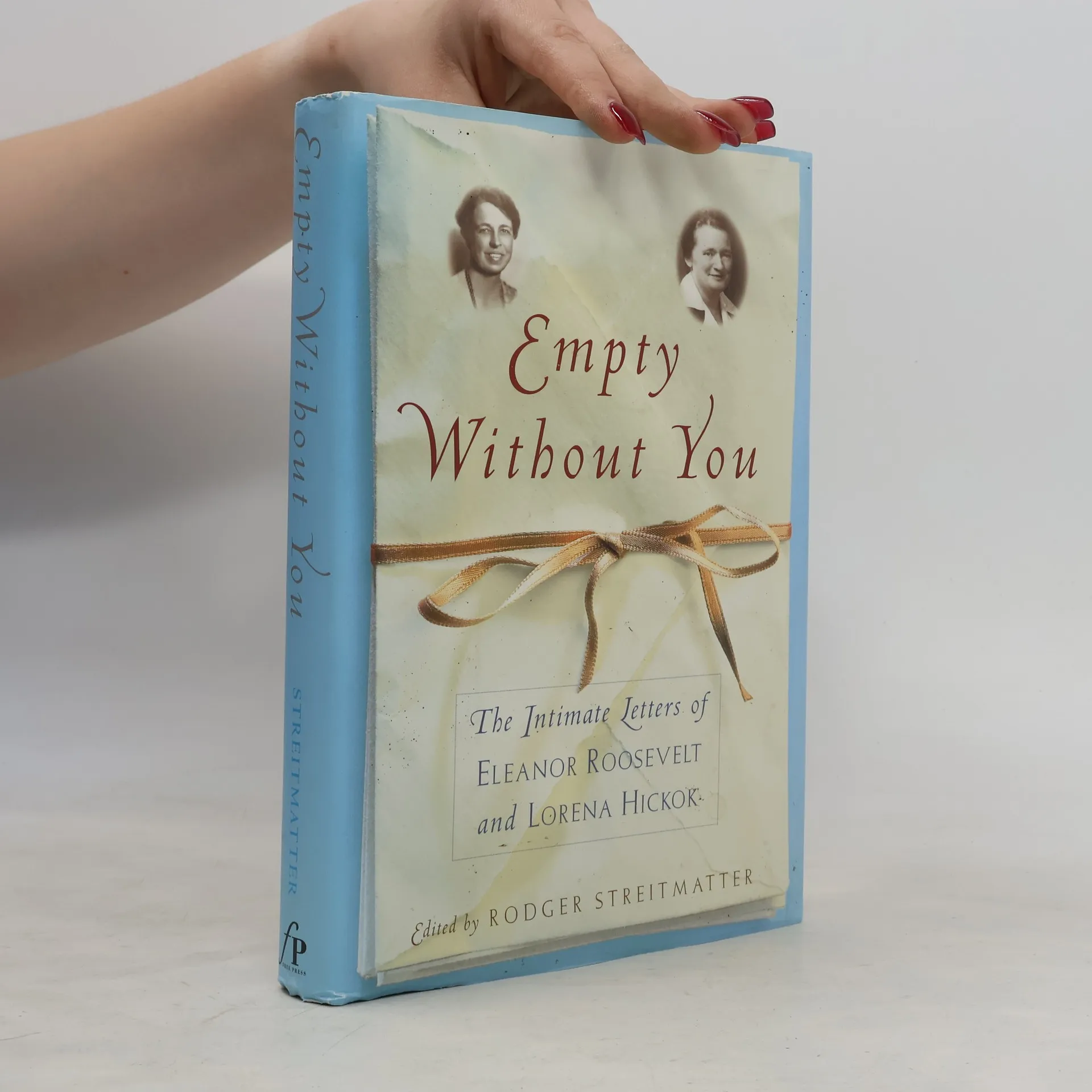
In June 1932, pioneering newswoman Lorena Hickok was assigned to FDR's presidential campaign by the Associated Press. To her surprise, she found Eleanor Roosevelt taking special notice of her. As their friendship grew, Hickok's devotion to the future first lady so overcame her scruples that she sent drafts of her articles to the head of Roosevelt's campaign for approval. After the election, the women began the passionate correspondence--cheerful and diary-like on Eleanor's side, and stormy on Lorena's--presented here. As suggestive as these letters seemed when they came to light in 1978, they don't demonstrate conclusively whether the women had a sexual affair, only that they became, for three or four years, each other's "dearest." They kissed and caressed each other and dreamt of a life together away from Washington. What is more significant is that these years marked Eleanor Roosevelt's transformation from a supportive wife to an independent political force, and the letters show Hickok's advice and encouragement to be essential to that transformation. Only with Hickok's support did the first lady gain confidence for her remarkable achievements in race relations and expanded roles for women. Good footnotes supplement the text, but the bland introductory notes can be skipped in favor of the women's story in their own words. --Regina Marler
Nákup knihy
Empty Without You, Rodger Streitmatter, Eleanor Roosevelt, Lorena A. Hickok
- Jazyk

- Rok vydání
- 1998
- Vazba
- (pevná)
Nikdo zatím neohodnotil.
- Titul
- Empty Without You
- Podtitul
- The Intimate Letters of Eleanor Roosevelt & Lorena Hickok
- Jazyk
- anglicky
- Vydavatel
- Free Press
- Rok vydání
- 1998
- Vazba
- pevná
- Počet stran
- 336
- ISBN10
- 0684849283
- ISBN13
- 9780684849287
- Série
- Štítky
- Historické téma, LGBTQ+
- Anotace
- In June 1932, pioneering newswoman Lorena Hickok was assigned to FDR's presidential campaign by the Associated Press. To her surprise, she found Eleanor Roosevelt taking special notice of her. As their friendship grew, Hickok's devotion to the future first lady so overcame her scruples that she sent drafts of her articles to the head of Roosevelt's campaign for approval. After the election, the women began the passionate correspondence--cheerful and diary-like on Eleanor's side, and stormy on Lorena's--presented here. As suggestive as these letters seemed when they came to light in 1978, they don't demonstrate conclusively whether the women had a sexual affair, only that they became, for three or four years, each other's "dearest." They kissed and caressed each other and dreamt of a life together away from Washington. What is more significant is that these years marked Eleanor Roosevelt's transformation from a supportive wife to an independent political force, and the letters show Hickok's advice and encouragement to be essential to that transformation. Only with Hickok's support did the first lady gain confidence for her remarkable achievements in race relations and expanded roles for women. Good footnotes supplement the text, but the bland introductory notes can be skipped in favor of the women's story in their own words. --Regina Marler