


Více o knize
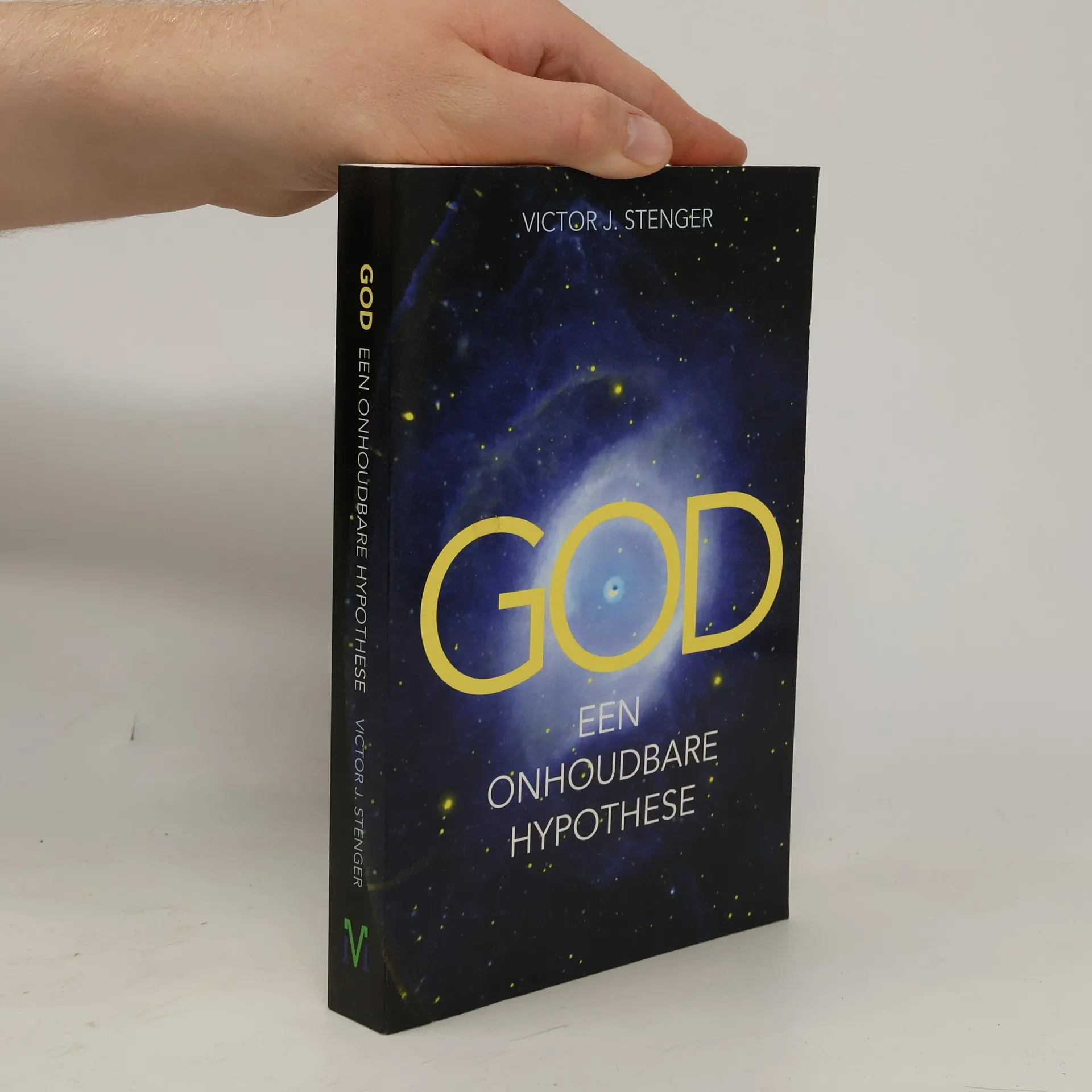
Throughout history, debates about God's existence have primarily taken place in philosophy and theology, while science has remained on the sidelines. Despite its revolutionary impact on human understanding, the idea persists that science has nothing to contribute to discussions about a supreme being, whom many view as the source of all reality. Physicist Victor J. Stenger argues that if God exists, there should be detectable evidence for this existence through scientific means, given the significant role attributed to God in the universe and human lives. He treats the traditional concept of God, as presented in Judeo-Christian and Islamic traditions, as a scientific hypothesis and scrutinizes the claims made for God's existence. Stenger evaluates Intelligent Design arguments for evidence of divine influence in biology, examines human behavior for signs of immaterial souls and the effects of prayer, and analyzes findings in physics and astronomy regarding the universe's creation and humanity's special status. After thoroughly assessing the scientific evidence, Stenger concludes that the universe and life appear as we would expect if there were no God, suggesting a lack of support for the existence of a deity.

Nákup knihy
God, een onhoudbare hypothese, Victor J. Stenger, Jan Willem Nienhuys, J.D. Snel
- Jazyk

- Rok vydání
- 2008
- Vazba
- (měkká)
Doručení
Platební metody
Tady nám chybí tvá recenze.
- Titul
- God, een onhoudbare hypothese
- Podtitul
- Hoe de wetenschap bewijst dat God niet bestaat
- Jazyk
- nizozemsky
- Vydavatel
- Veen Magazines
- Rok vydání
- 2008
- Vazba
- měkká
- Počet stran
- 290
- ISBN10
- 9085712173
- ISBN13
- 9789085712176
- Série
- Kategorie
- Hodnocení
- 3,85 z 5
- Anotace
- Throughout history, debates about God's existence have primarily taken place in philosophy and theology, while science has remained on the sidelines. Despite its revolutionary impact on human understanding, the idea persists that science has nothing to contribute to discussions about a supreme being, whom many view as the source of all reality. Physicist Victor J. Stenger argues that if God exists, there should be detectable evidence for this existence through scientific means, given the significant role attributed to God in the universe and human lives. He treats the traditional concept of God, as presented in Judeo-Christian and Islamic traditions, as a scientific hypothesis and scrutinizes the claims made for God's existence. Stenger evaluates Intelligent Design arguments for evidence of divine influence in biology, examines human behavior for signs of immaterial souls and the effects of prayer, and analyzes findings in physics and astronomy regarding the universe's creation and humanity's special status. After thoroughly assessing the scientific evidence, Stenger concludes that the universe and life appear as we would expect if there were no God, suggesting a lack of support for the existence of a deity.