

Parametry
- 288 stránek
- 11 hodin čtení
Více o knize
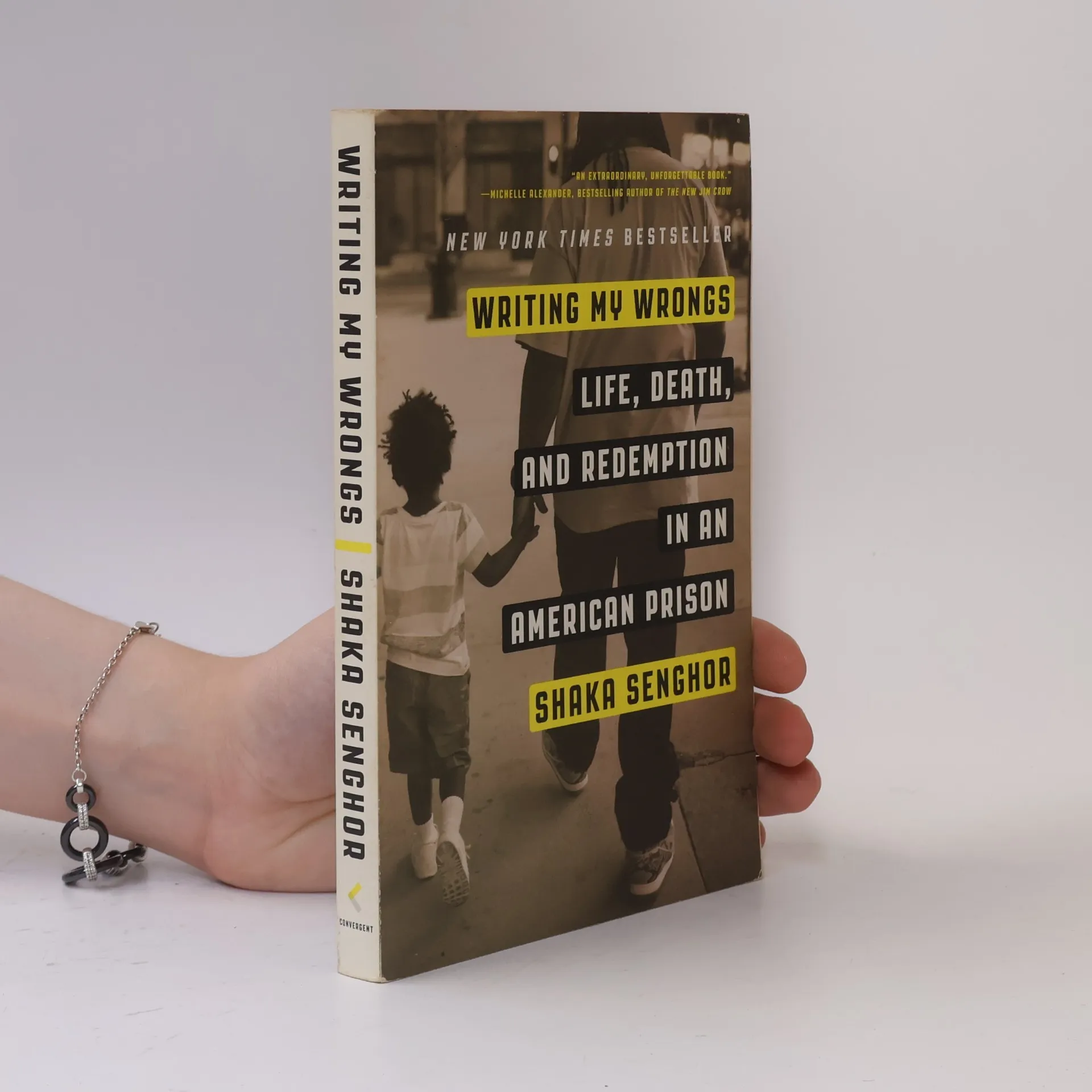
In 1991, Shaka Senghor was imprisoned for second-degree murder. Today, he is a university lecturer, a prominent advocate for criminal justice reform, and an inspiration to many. Raised in a middle-class neighborhood in Detroit during the crack epidemic, Senghor was an honor roll student with dreams of becoming a doctor. However, his parents' troubled marriage and his mother's abuse led him to run away from home and turn to drug dealing, culminating in his incarceration at age 19, filled with anger and despair. During his nineteen years in prison, including seven in solitary confinement, Senghor discovered literature, meditation, and self-reflection. These tools helped him confront his past, forgive those who had wronged him, and atone for his mistakes. Upon his release at thirty-eight, he became an activist and mentor to youth in similar situations. His community work and willingness to share his journey earned him fellowships at the MIT Media Lab and the Kellogg Foundation, along with speaking engagements at TED and the Aspen Ideas Festival. This narrative vividly portrays life amid poverty, violence, and fear, offering a powerful story of redemption. It serves as a poignant reminder that our past actions do not define us and highlights the urgent need for reform in how society addresses crime and incarceration.
Nákup knihy
Writing My Wrongs, Shaka Senghor
- Jazyk

- Rok vydání
- 2017
- Vazba
- (měkká)
Doručení
Platební metody
Nikdo zatím neohodnotil.
- Titul
- Writing My Wrongs
- Jazyk
- anglicky
- Autoři
- Shaka Senghor
- Vydavatel
- Bantam Books
- Rok vydání
- 2017
- Vazba
- měkká
- Počet stran
- 288
- ISBN10
- 1101907312
- ISBN13
- 9781101907313
- Série
- Kategorie
- Štítky
- Psychologická tématika, USA, Vzpomínky, Sociální problémy, Politické teorie, Násilí, Rasa, rasismus, Týrání, zneužívání, Sociální spravedlnost, Chudoba, Trauma, Vězení, Spravedlnost, Trestní právo, Odpuštění, Aktivismus, Kriminologie, Zločinci, Vykoupení, spása, Křivda, bezpráví, Sociální hnutí, Vězni, Milosrdenství, Trestní soudnictví, Recidiva trestné činnosti
- Anotace
- In 1991, Shaka Senghor was imprisoned for second-degree murder. Today, he is a university lecturer, a prominent advocate for criminal justice reform, and an inspiration to many. Raised in a middle-class neighborhood in Detroit during the crack epidemic, Senghor was an honor roll student with dreams of becoming a doctor. However, his parents' troubled marriage and his mother's abuse led him to run away from home and turn to drug dealing, culminating in his incarceration at age 19, filled with anger and despair. During his nineteen years in prison, including seven in solitary confinement, Senghor discovered literature, meditation, and self-reflection. These tools helped him confront his past, forgive those who had wronged him, and atone for his mistakes. Upon his release at thirty-eight, he became an activist and mentor to youth in similar situations. His community work and willingness to share his journey earned him fellowships at the MIT Media Lab and the Kellogg Foundation, along with speaking engagements at TED and the Aspen Ideas Festival. This narrative vividly portrays life amid poverty, violence, and fear, offering a powerful story of redemption. It serves as a poignant reminder that our past actions do not define us and highlights the urgent need for reform in how society addresses crime and incarceration.