



Parametry
- 378 stránek
- 14 hodin čtení
Více o knize
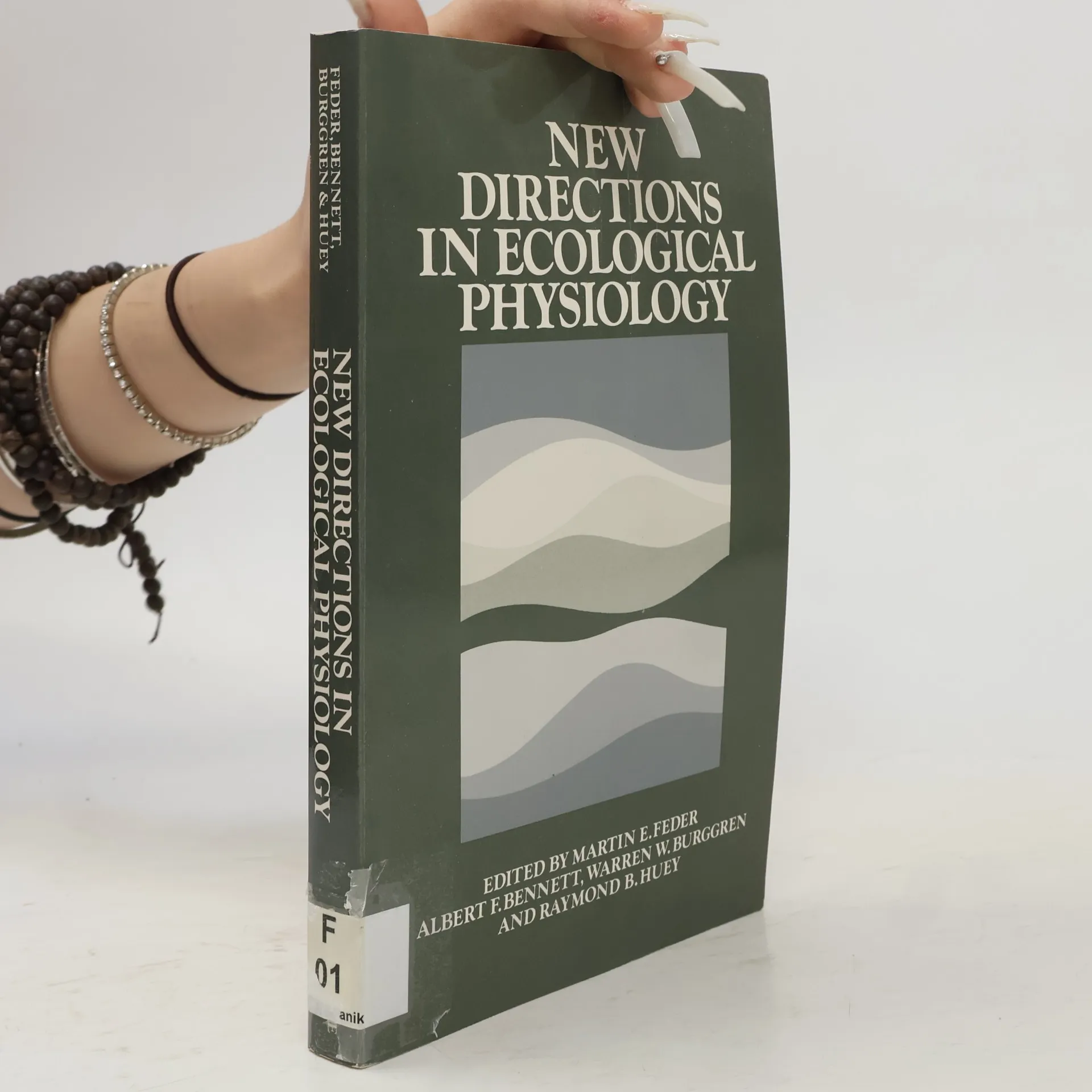
The past fifty years have witnessed major achievements in ecological physiology, the study of physiological adaptations that improve survival or permit organisms to exploit extreme environments. New Directions in Ecological Physiology, first published in 1988, outlines conceptual approaches to the study of physiological adaptation in animals, approaches that will stimulate the continued growth of this field. Twenty leading ecological physiologists and evolutionary biologists have contributed critical evaluations of developments in their respective areas, highlighting major conceptual advances as well as research questions yet to be answered. The volume is organized into three parts: The first deals with comparisons of different species and populations; the second, with comparisons of individuals within a population; the last, with interacting physiological systems within individual animals. New Directions in Ecological Physiology, by encouraging critical debate about general issues and directions of growth in this field, is intended to foster the invigoration of ecological physiology in particular and of organismal biology in general.
Nákup knihy
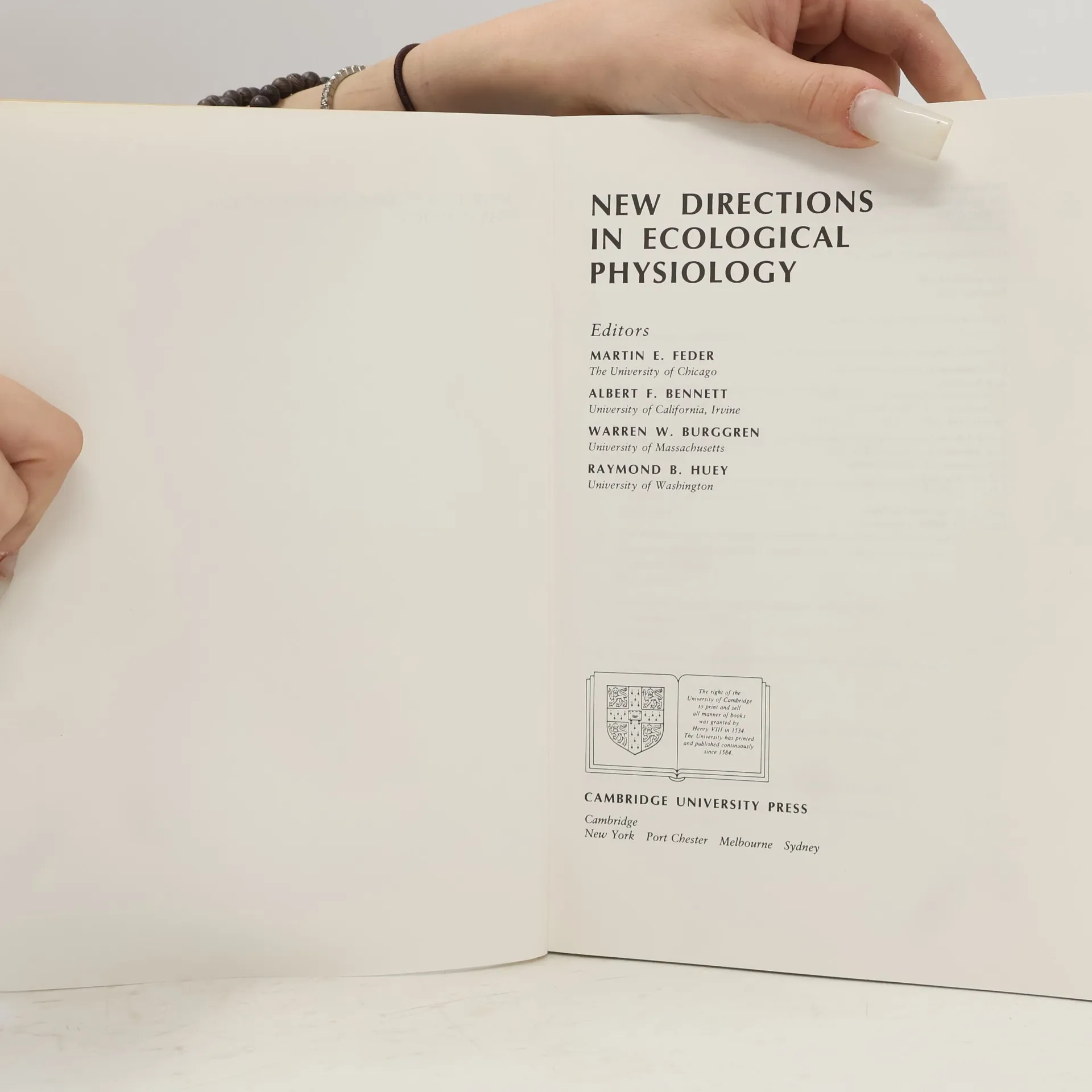
New Directions in Ecological Physiology, Martin E. Feder, Albert F. Bennett, Warren W. Burggren, Raymond B. Huey
- Jazyk

- Rok vydání
- 1987
- Vazba
- (měkká),
- Stav knihy
- Dobrá
- Cena
- 149 Kč
Nikdo zatím neohodnotil.
- Titul
- New Directions in Ecological Physiology
- Jazyk
- anglicky
- Vydavatel
- Cambridge University Press
- Rok vydání
- 1987
- Vazba
- měkká
- Počet stran
- 378
- ISBN10
- 0521349389
- ISBN13
- 9780521349383
- Série
- Štítky
- Anotace
- The past fifty years have witnessed major achievements in ecological physiology, the study of physiological adaptations that improve survival or permit organisms to exploit extreme environments. New Directions in Ecological Physiology, first published in 1988, outlines conceptual approaches to the study of physiological adaptation in animals, approaches that will stimulate the continued growth of this field. Twenty leading ecological physiologists and evolutionary biologists have contributed critical evaluations of developments in their respective areas, highlighting major conceptual advances as well as research questions yet to be answered. The volume is organized into three parts: The first deals with comparisons of different species and populations; the second, with comparisons of individuals within a population; the last, with interacting physiological systems within individual animals. New Directions in Ecological Physiology, by encouraging critical debate about general issues and directions of growth in this field, is intended to foster the invigoration of ecological physiology in particular and of organismal biology in general.