


Více o knize
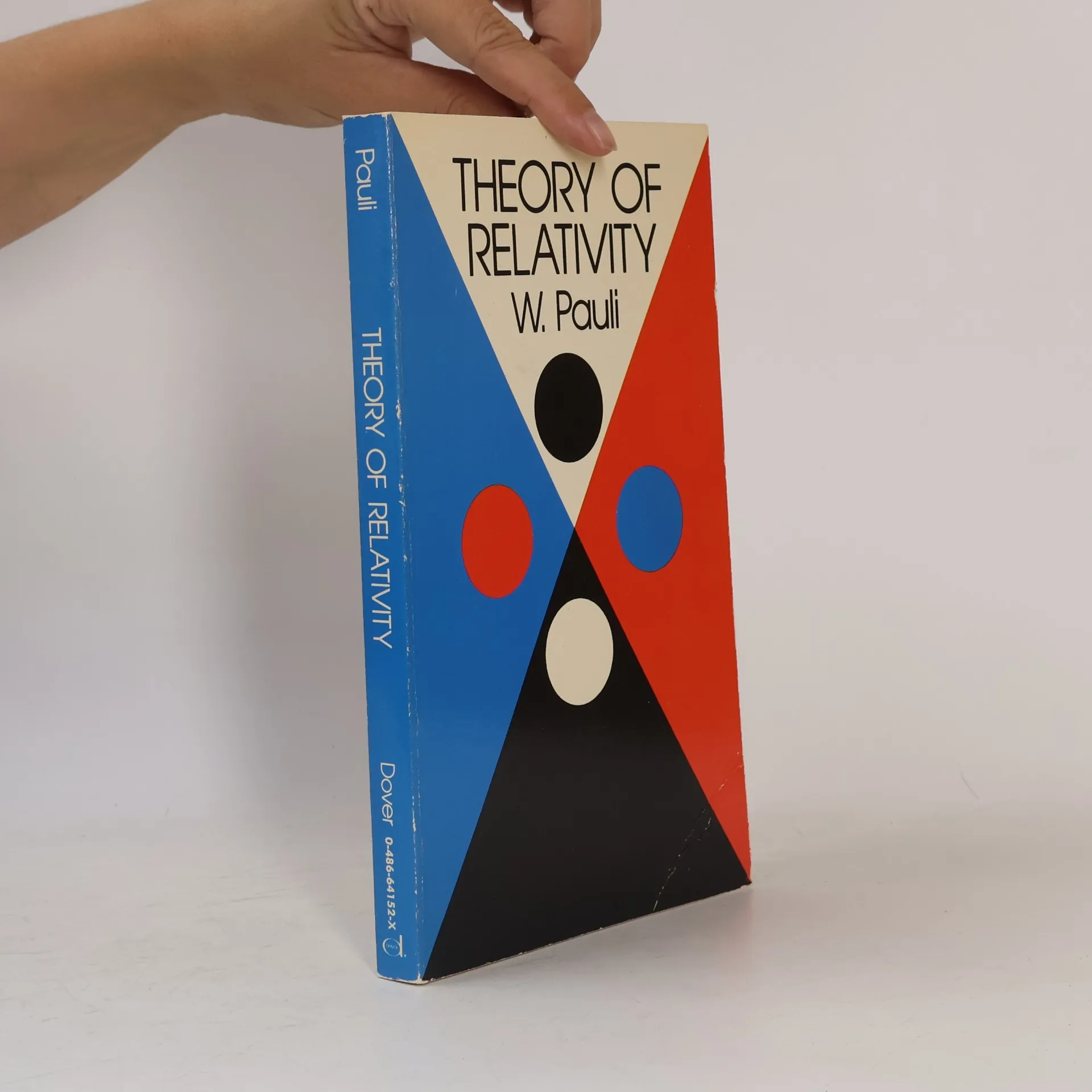
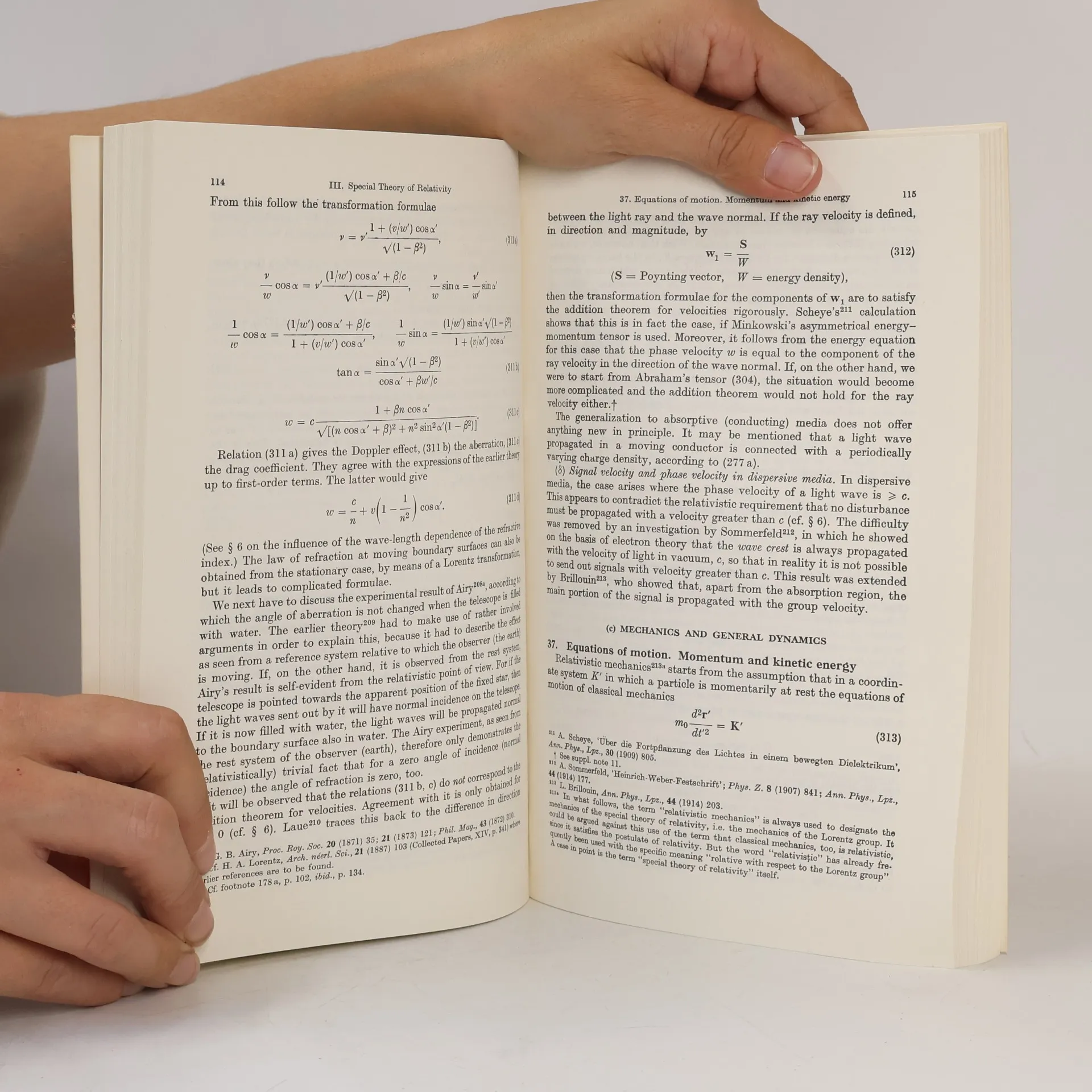
Wolfgang Pauli (1900–1958) was a pivotal figure in 20th-century physics, awarded the 1945 Nobel Prize for his exclusion principle. A brilliant theoretician, he first proposed the neutrino and grasped the significance of Einstein's theory of relativity. His early work, Theory of Relativity, aimed to comprehensively review the literature on relativity, a task now deemed impossible due to the vast amount of subsequent research and the increasing complexity of physics and quantum mechanics. To preserve the historical context of Pauli's contributions, the original text is reprinted alongside his insightful retrospective on later developments in relativity theory and the controversies it raises. Pauli delves into the challenging issue of unified field theories, examining its ties to the classical field concept and its implications for atomic nature. Initially skeptical of classical solutions, he later found support in the newer epistemological frameworks of quantum mechanics. The unresolved aspects of relativity continue to fuel debates on its relationship with quantum theory, presenting one of science's enduring challenges. Pauli also discusses issues beyond the scope of special and general relativity, the clash between classical and quantum physics, the significance of Einstein's work in physics evolution, and the epistemological implications of the quantum of action, moving away from simplistic visualizations.
Nákup knihy
Theory of Relativity, Wolfgang Pauli
- Jazyk

- Rok vydání
- 1981
- Vazba
- (měkká)
Doručení
Platební metody
Nikdo zatím neohodnotil.
- Titul
- Theory of Relativity
- Jazyk
- anglicky
- Autoři
- Wolfgang Pauli
- Vydavatel
- Dover Publications
- Rok vydání
- 1981
- Vazba
- měkká
- Počet stran
- 272
- ISBN10
- 048664152X
- ISBN13
- 9780486641522
- Série
- Štítky
- Věda, Učebnice fyziky
- Anotace
- Wolfgang Pauli (1900–1958) was a pivotal figure in 20th-century physics, awarded the 1945 Nobel Prize for his exclusion principle. A brilliant theoretician, he first proposed the neutrino and grasped the significance of Einstein's theory of relativity. His early work, Theory of Relativity, aimed to comprehensively review the literature on relativity, a task now deemed impossible due to the vast amount of subsequent research and the increasing complexity of physics and quantum mechanics. To preserve the historical context of Pauli's contributions, the original text is reprinted alongside his insightful retrospective on later developments in relativity theory and the controversies it raises. Pauli delves into the challenging issue of unified field theories, examining its ties to the classical field concept and its implications for atomic nature. Initially skeptical of classical solutions, he later found support in the newer epistemological frameworks of quantum mechanics. The unresolved aspects of relativity continue to fuel debates on its relationship with quantum theory, presenting one of science's enduring challenges. Pauli also discusses issues beyond the scope of special and general relativity, the clash between classical and quantum physics, the significance of Einstein's work in physics evolution, and the epistemological implications of the quantum of action, moving away from simplistic visualizations.