


Více o knize
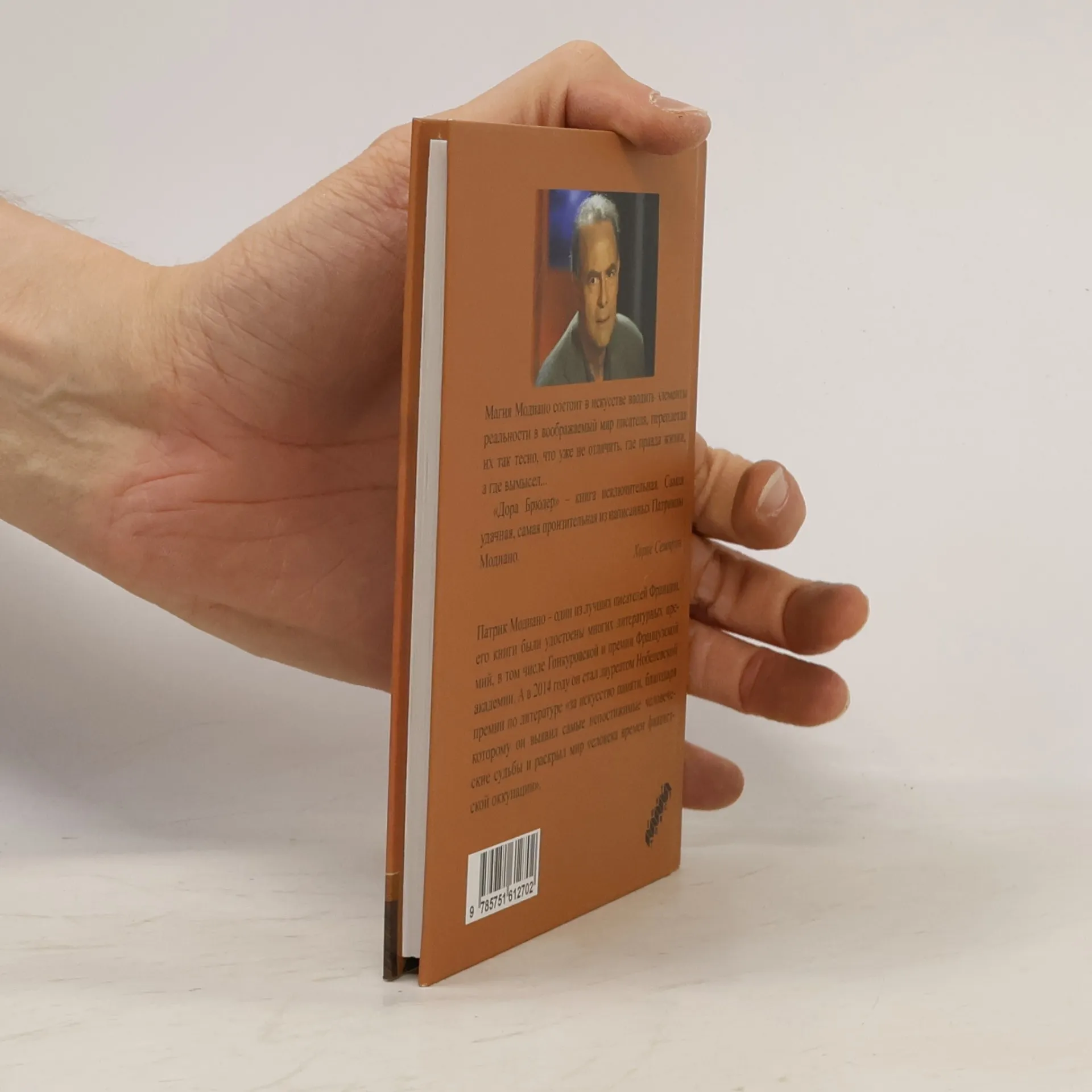
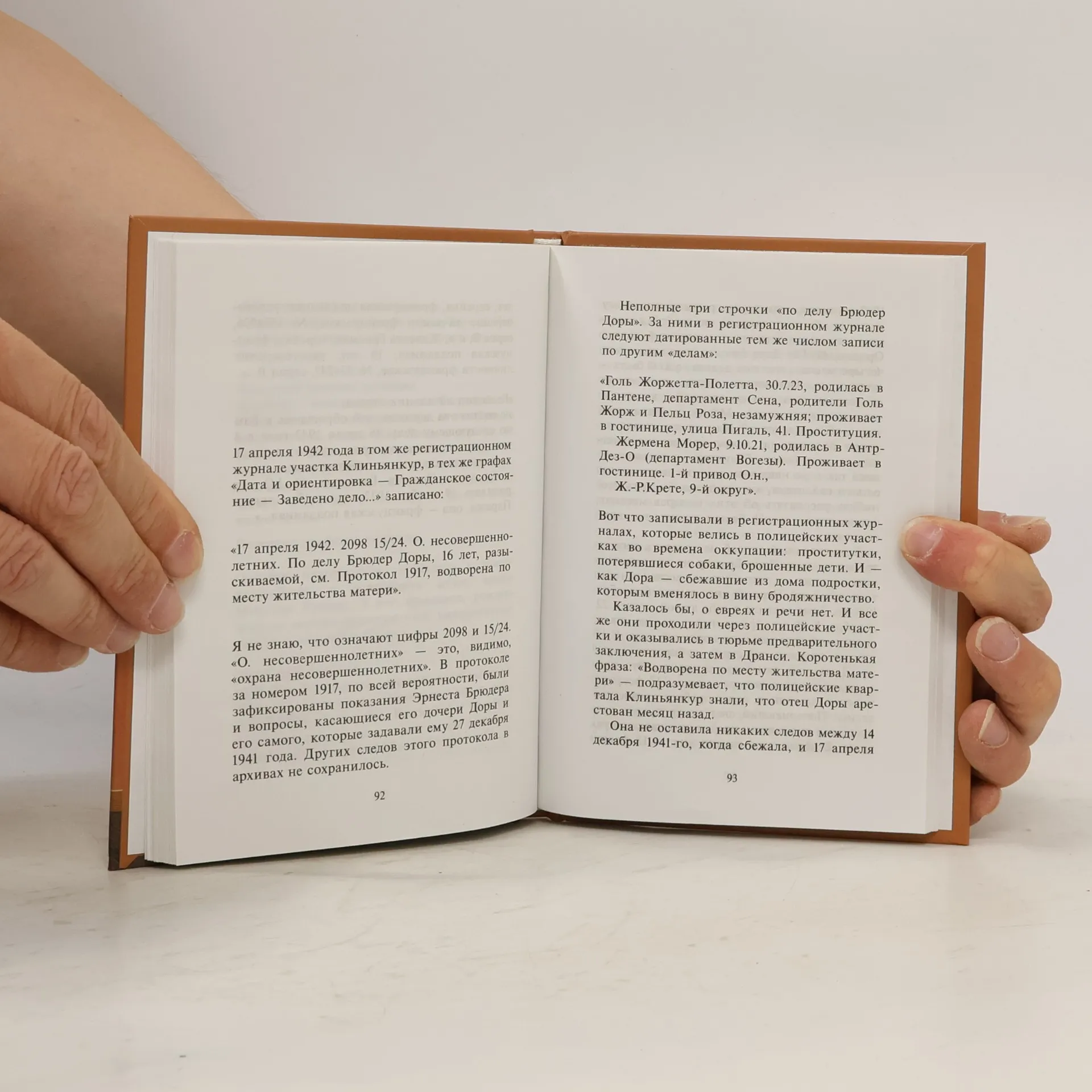
In 1988, Patrick Modiano discovered an ad in Paris Soir from December 31, 1941, seeking information about a 15-year-old Jewish girl, Dora Bruder, who had run away from her convent school. This ad, placed by her parents, sparked Modiano's quest to uncover the story of Dora and the reasons behind her disappearance. His search revealed only one other official mention of her: a list of Jews deported from Paris to Auschwitz in September 1942. With minimal information, Modiano delved into fragments of Dora's life, transforming his findings into a meditation on the profound losses of that era—lost individuals, stories, and history. As he sought connections to Dora, Modiano recounted a decade-long investigation that led him back to the sights and sounds of Occupied Paris and the paranoia of the Petain regime. In his endeavor to resurrect her memory, he confronted the specters of his own troubled youth. The outcome is a poignant blend of creative and historical elements, presenting a moving reflection on loss and the enduring impact of the past.
Nákup knihy
Дора Брюдер, Nina Hotinskaya, Patrick Modiano
- Jazyk

- Rok vydání
- 2014
- Vazba
- (pevná)
Nikdo zatím neohodnotil.
- Titul
- Дора Брюдер
- Jazyk
- rusky
- Autoři
- Nina Hotinskaya, Patrick Modiano
- Vydavatel
- Текст
- Rok vydání
- 2014
- Vazba
- pevná
- Počet stran
- 156
- ISBN10
- 5751612701
- ISBN13
- 9785751612702
- Série
- Štítky
- Francie, 20. století, Války, Druhá světová válka, Francouzská literatura, Holokaust, Paříž, Nobelova cena
- Anotace
- In 1988, Patrick Modiano discovered an ad in Paris Soir from December 31, 1941, seeking information about a 15-year-old Jewish girl, Dora Bruder, who had run away from her convent school. This ad, placed by her parents, sparked Modiano's quest to uncover the story of Dora and the reasons behind her disappearance. His search revealed only one other official mention of her: a list of Jews deported from Paris to Auschwitz in September 1942. With minimal information, Modiano delved into fragments of Dora's life, transforming his findings into a meditation on the profound losses of that era—lost individuals, stories, and history. As he sought connections to Dora, Modiano recounted a decade-long investigation that led him back to the sights and sounds of Occupied Paris and the paranoia of the Petain regime. In his endeavor to resurrect her memory, he confronted the specters of his own troubled youth. The outcome is a poignant blend of creative and historical elements, presenting a moving reflection on loss and the enduring impact of the past.