

Parametry
- 237 stránek
- 9 hodin čtení
Více o knize
Set in the 15th century, this historical thriller illustrates how success in painting was once akin to pop stardom and could even be a matter of life and death. The story unfolds after the violent murder of maestro Francesco Monterga's talented disciple, Pietro de la Chiesa, who is killed in his prime. A backdrop of rivalry exists between leading Italian artists, skilled in the mathematics of perspective, and the Flemish school, known for its alchemical ability to mix paint to create divine hues. The narrative centers on whether young Pietro had mastered the arts of form and content before his tragic death. Through his signature sensualist prose—baroque, erotically charged, and rich in Borges-style allusions—Andahazi captivates readers with questions about dye-mixing and paint drying. While capturing the color and conventions of the period, he adheres to thriller-writing principles, featuring a twisting plot and dynamic scene changes that propel the narrative. Although sometimes formulaic, Andahazi emerges as a natural storyteller and skilled crafter of pastiches in a literary landscape often dominated by experimental works. This Argentine author continues to excel in exploring remote places and epochs, making this novel his strongest yet.


Nákup knihy
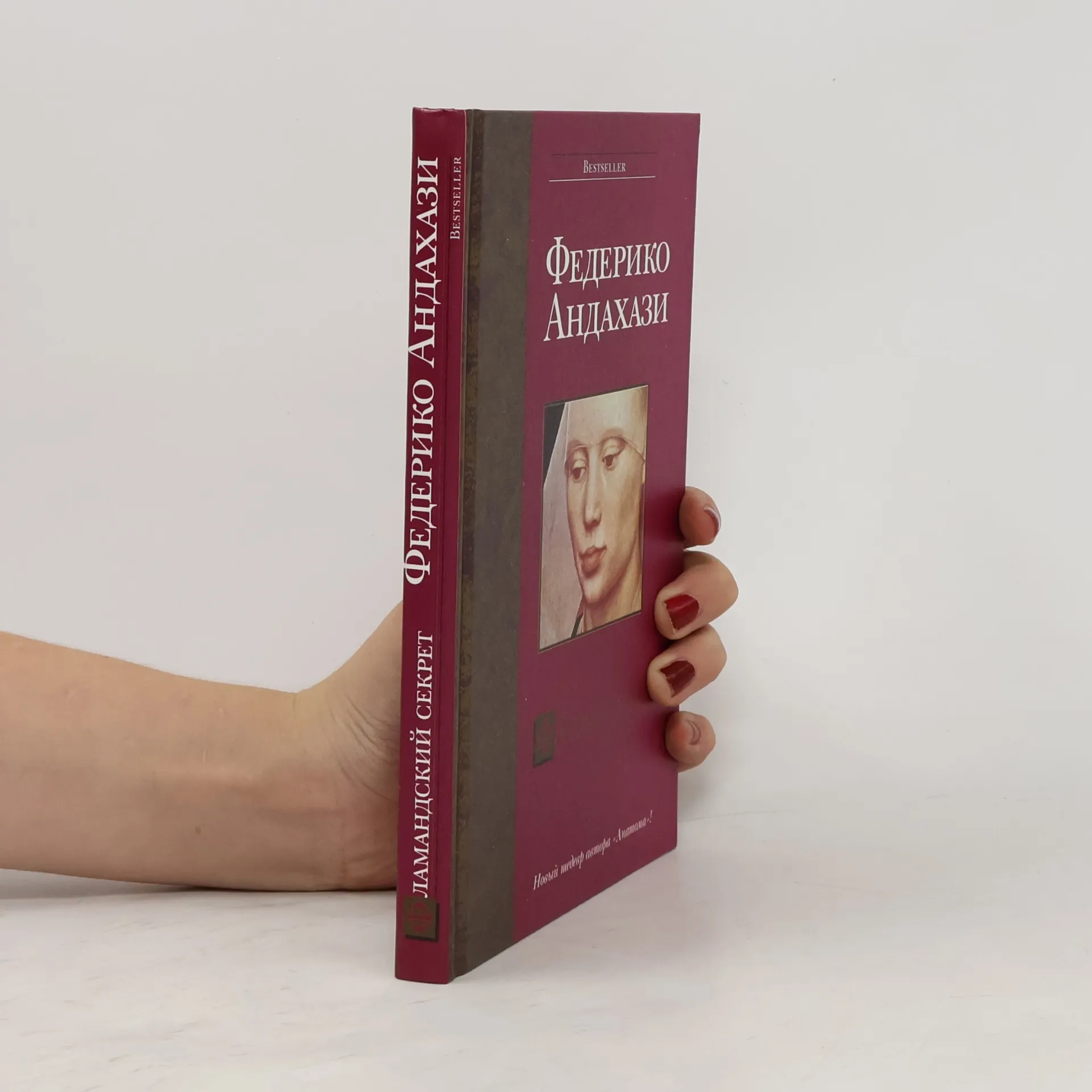
Flamandskiǐ Sekret, Andakhazi F.
- Jazyk

- Rok vydání
- 2004
- Vazba
- (pevná)
Tady nám chybí tvá recenze.
- Titul
- Flamandskiǐ Sekret
- Podtitul
- Roman
- Jazyk
- rusky
- Autoři
- Andakhazi F.
- Vydavatel
- AST
- Rok vydání
- 2004
- Vazba
- pevná
- Počet stran
- 237
- ISBN10
- 5170213840
- ISBN13
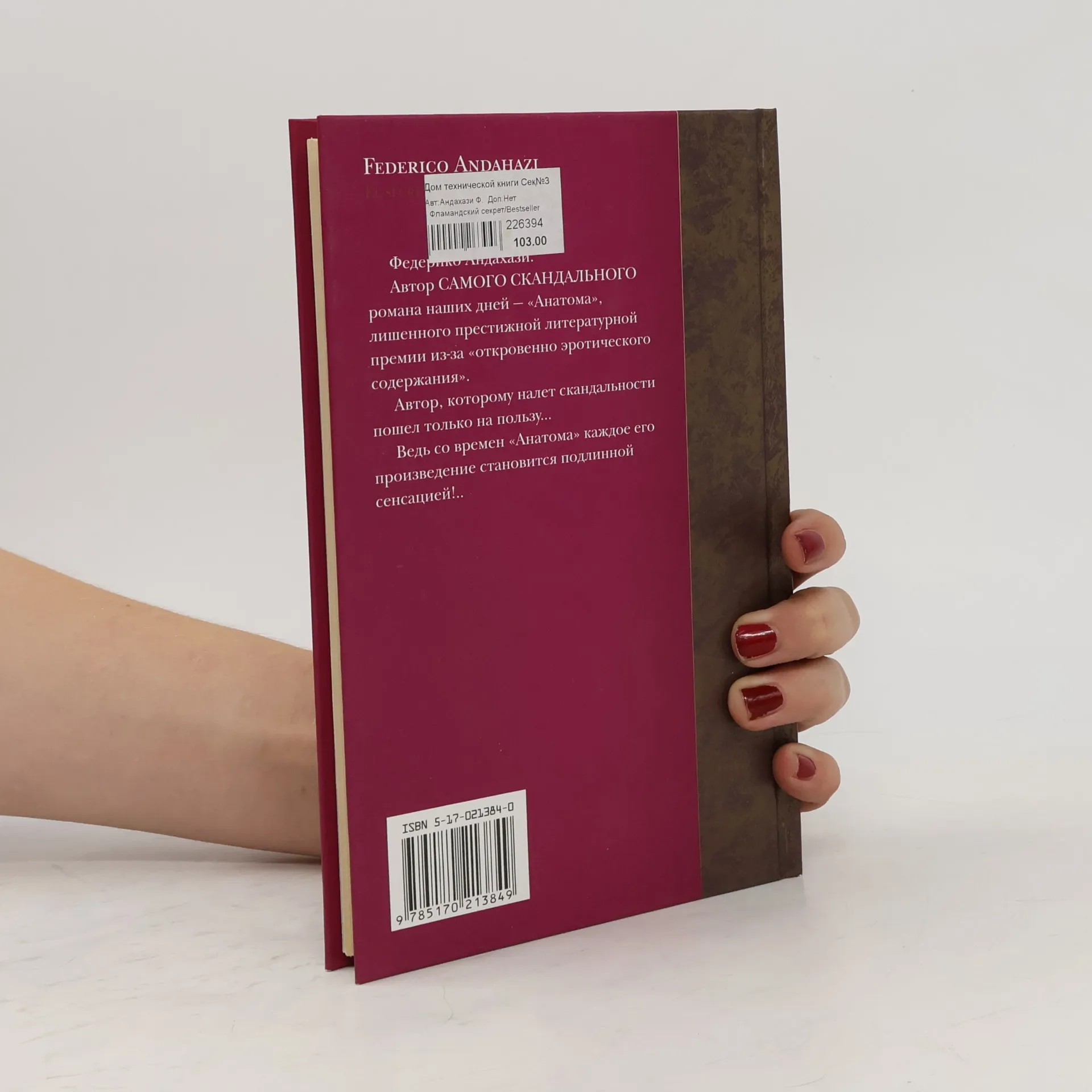
- 9785170213849
- Série
- První vydání
- 2002
- Původní název
- El secreto de los flamencos
- Hodnocení
- 3,5 z 5
- Anotace
- Set in the 15th century, this historical thriller illustrates how success in painting was once akin to pop stardom and could even be a matter of life and death. The story unfolds after the violent murder of maestro Francesco Monterga's talented disciple, Pietro de la Chiesa, who is killed in his prime. A backdrop of rivalry exists between leading Italian artists, skilled in the mathematics of perspective, and the Flemish school, known for its alchemical ability to mix paint to create divine hues. The narrative centers on whether young Pietro had mastered the arts of form and content before his tragic death. Through his signature sensualist prose—baroque, erotically charged, and rich in Borges-style allusions—Andahazi captivates readers with questions about dye-mixing and paint drying. While capturing the color and conventions of the period, he adheres to thriller-writing principles, featuring a twisting plot and dynamic scene changes that propel the narrative. Although sometimes formulaic, Andahazi emerges as a natural storyteller and skilled crafter of pastiches in a literary landscape often dominated by experimental works. This Argentine author continues to excel in exploring remote places and epochs, making this novel his strongest yet.