


Více o knize
The consolidation and expansion of the European Union is a unique and remarkable phenomenon for many reasons, not least because it is the product of conscious political decisions made by the citizens of a large number of sovereign states, each of which bear strong, well-defined and highly differentiated national characteristics. Nations and nationalities in the past have been tools of definition of political community and hence of the exclusion of and opposition to neighbouring groups; they are associated with and often have arisen from war and conflict: wars of liberation, wars of aggression, civil wars. In the present case, on the contrary, nations and their citizens are involved in building a new form of 'convivencia', a new kind of political community, which depends for its viability on mutual recognition and respect for differences. In this process, a critical historical perspective has a key role to play. Understanding how nations and nationalities have developed in time, and how the political system based on nation-states has been promoted and accompanied by changing views of history, is essential if citizens are to be aware of the processes through which their complex identities have arisen, to accept and make best use of the strengths produced by their diversity.

Nákup knihy
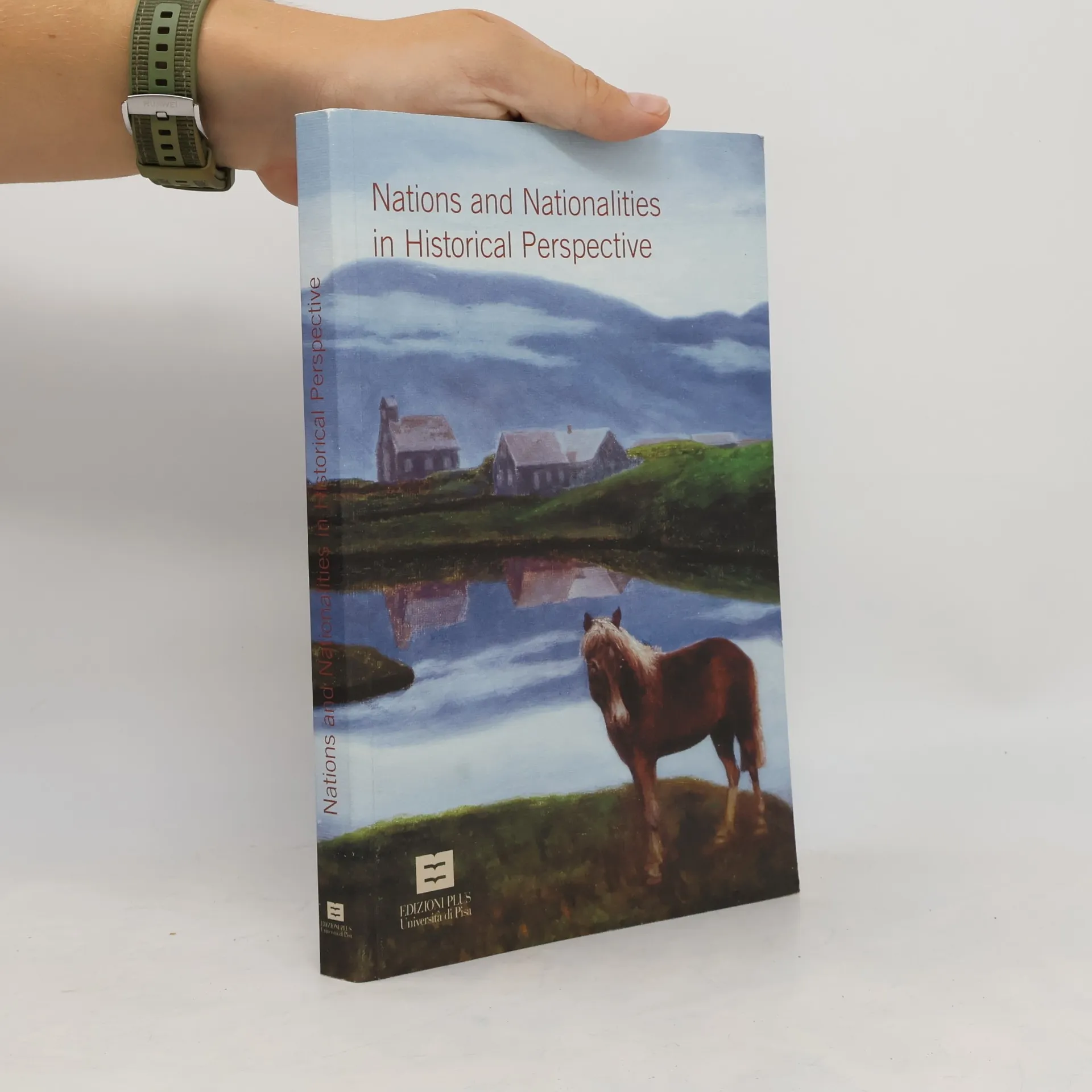
Nations and Nationalities in Historical Perspective, Gudmundur Hálfdanarson, Ann Katherine Isaacs
- Jazyk

- Rok vydání
- 2001
- Vazba
- (měkká),
- Stav knihy
- Velmi dobrá
- Cena
- 129 Kč
Nikdo zatím neohodnotil.
- Titul
- Nations and Nationalities in Historical Perspective
- Jazyk
- anglicky
- Vydavatel
- EDIZIONI PLUS Università di Pisa
- Rok vydání
- 2001
- Vazba
- měkká
- Počet stran
- 272
- ISBN10
- 888492099X
- ISBN13
- 9788884920997
- Série
- Štítky
- Historické téma
- Anotace
- The consolidation and expansion of the European Union is a unique and remarkable phenomenon for many reasons, not least because it is the product of conscious political decisions made by the citizens of a large number of sovereign states, each of which bear strong, well-defined and highly differentiated national characteristics. Nations and nationalities in the past have been tools of definition of political community and hence of the exclusion of and opposition to neighbouring groups; they are associated with and often have arisen from war and conflict: wars of liberation, wars of aggression, civil wars. In the present case, on the contrary, nations and their citizens are involved in building a new form of 'convivencia', a new kind of political community, which depends for its viability on mutual recognition and respect for differences. In this process, a critical historical perspective has a key role to play. Understanding how nations and nationalities have developed in time, and how the political system based on nation-states has been promoted and accompanied by changing views of history, is essential if citizens are to be aware of the processes through which their complex identities have arisen, to accept and make best use of the strengths produced by their diversity.