

Parametry
- 194 stránek
- 7 hodin čtení
Více o knize
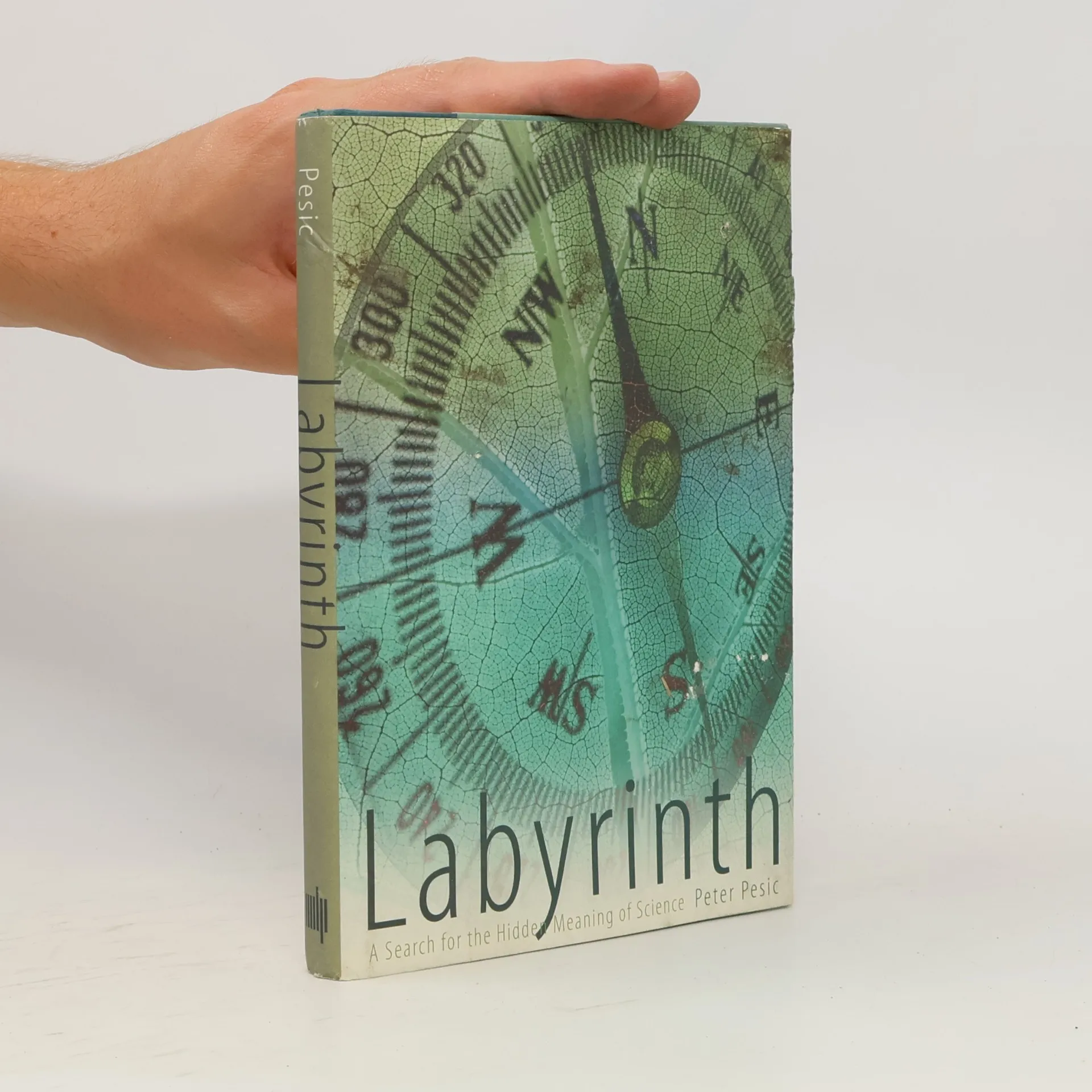
Nature holds secrets that drive the scientific quest to uncover them. What makes these secrets elusive? Are they beyond human understanding or related to divine matters? If they can be accessed, why do they appear so well-concealed? These questions lie at the core of Peter Pesic's exploration of modern science. He depicts the relationship between the scientist and nature as a profound game of hide-and-seek, fueled by a childlike curiosity. The young Albert Einstein, captivated by a compass, sensed "something deeply hidden behind things." The narrative unfolds like a triple fugue, intertwining the struggle between scientists and nature, the transformative impact of this struggle on the scientists themselves, and the development of symbolic mathematics—the essential language for decoding nature's mysteries. Pesic traces the roots of science to three pivotal Renaissance figures: William Gilbert, the pioneer of magnetism; François Viète, a French codebreaker instrumental in symbolic mathematics; and Francis Bacon, a visionary of modern science. He then examines the experiences of three modern luminaries—Johannes Kepler, Isaac Newton, and Albert Einstein—as they delve into nature's depths. Throughout, Pesic interprets scientific texts as literary works, focusing on nuance and tone alongside surface meaning, seeking the human essence that emerges in the relentless pursuit of nature's secrets.
Nákup knihy
Labyrinth, Peter Pesic
- Jazyk

- Rok vydání
- 2000
- Vazba
- (pevná),
- Stav knihy
- Dobrá
- Cena
- 139 Kč
Nikdo zatím neohodnotil.
- Titul
- Labyrinth
- Podtitul
- A Search for the Hidden Meaning of Science
- Jazyk
- anglicky
- Autoři
- Peter Pesic
- Vydavatel
- The MIT press
- Rok vydání
- 2000
- Vazba
- pevná
- Počet stran
- 194
- ISBN10
- 0262161907
- ISBN13
- 9780262161909
- Série
- Kategorie
- Anotace
- Nature holds secrets that drive the scientific quest to uncover them. What makes these secrets elusive? Are they beyond human understanding or related to divine matters? If they can be accessed, why do they appear so well-concealed? These questions lie at the core of Peter Pesic's exploration of modern science. He depicts the relationship between the scientist and nature as a profound game of hide-and-seek, fueled by a childlike curiosity. The young Albert Einstein, captivated by a compass, sensed "something deeply hidden behind things." The narrative unfolds like a triple fugue, intertwining the struggle between scientists and nature, the transformative impact of this struggle on the scientists themselves, and the development of symbolic mathematics—the essential language for decoding nature's mysteries. Pesic traces the roots of science to three pivotal Renaissance figures: William Gilbert, the pioneer of magnetism; François Viète, a French codebreaker instrumental in symbolic mathematics; and Francis Bacon, a visionary of modern science. He then examines the experiences of three modern luminaries—Johannes Kepler, Isaac Newton, and Albert Einstein—as they delve into nature's depths. Throughout, Pesic interprets scientific texts as literary works, focusing on nuance and tone alongside surface meaning, seeking the human essence that emerges in the relentless pursuit of nature's secrets.