



Více o knize
In the Seventeenth Edition, Chapter 1 has been re-written to explore the Decline and Disintegration of the Mughal Empire, incorporating significant new material. A new Chapter II discusses the Rise of Autonomous States, detailing the emergence and strengthening of various states following the Mughal decline. Additionally, Chapter XLI introduces Changes in Land Revenue Settlement, enhancing the book's overall utility. The author expresses gratitude to past readers and encourages ongoing support, welcoming suggestions for improvement. The text emphasizes the historical lesson that India's vulnerability to foreign conquest stemmed from a lack of unity among its people. Internal conflicts, particularly during the eighteenth century, led to brothers fighting against each other, prioritizing personal disputes over national interests. The author urges Indians to learn from this history, advocating for the subordination of individual differences to the greater good of the country. The message is clear: sacrifices are necessary to strengthen India, as the nation's survival is integral to the prosperity and respect of its people in the world. The book's contents include sections on the decline of the Mughal Empire, the rise of autonomous states, and the societal and cultural landscape of the eighteenth century, alongside the advent of Europeans in India.


Nákup knihy
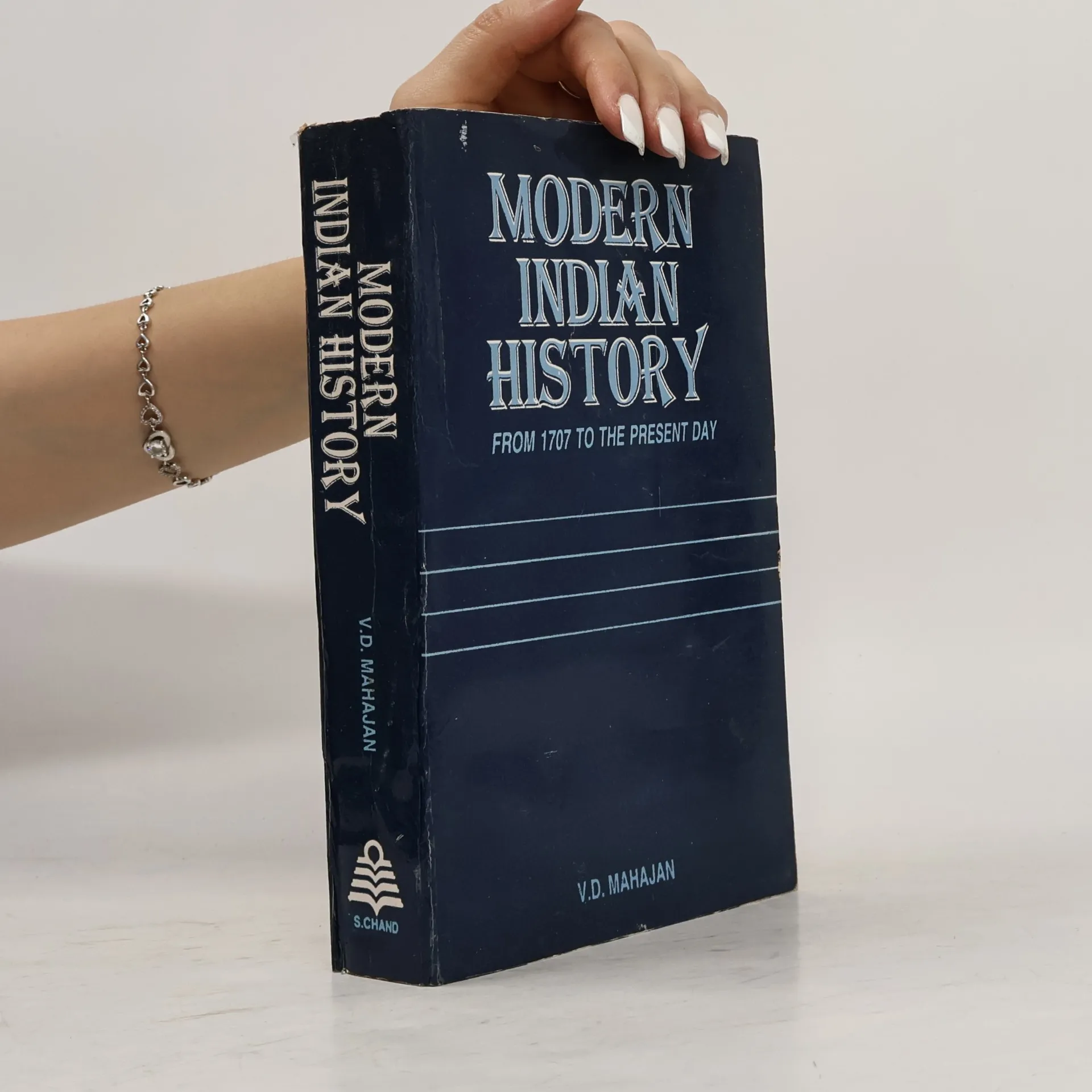
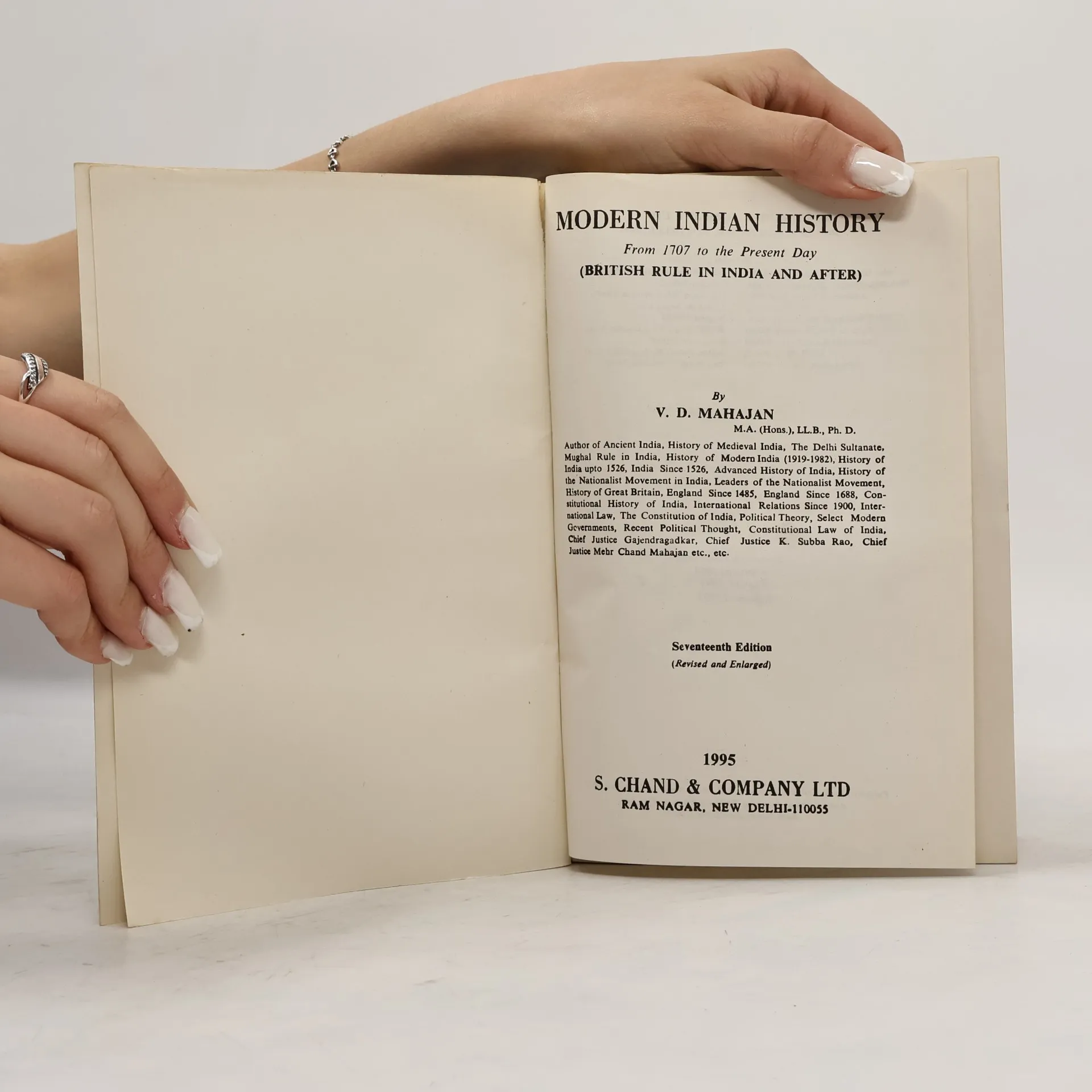
Modern Indian History, V. D. Mahajan
- Jazyk

- Rok vydání
- 1995
- Vazba
- (měkká),
- Stav knihy
- Dobrá
- Cena
- 99 Kč
Nikdo zatím neohodnotil.
- Titul
- Modern Indian History
- Podtitul
- From 1707 to the Present Day
- Jazyk
- anglicky
- Autoři
- V. D. Mahajan
- Vydavatel
- S. Chand Publishing
- Rok vydání
- 1995
- Vazba
- měkká
- Série
- Štítky
- Historické téma, Asie, Indie
- Anotace
- In the Seventeenth Edition, Chapter 1 has been re-written to explore the Decline and Disintegration of the Mughal Empire, incorporating significant new material. A new Chapter II discusses the Rise of Autonomous States, detailing the emergence and strengthening of various states following the Mughal decline. Additionally, Chapter XLI introduces Changes in Land Revenue Settlement, enhancing the book's overall utility. The author expresses gratitude to past readers and encourages ongoing support, welcoming suggestions for improvement. The text emphasizes the historical lesson that India's vulnerability to foreign conquest stemmed from a lack of unity among its people. Internal conflicts, particularly during the eighteenth century, led to brothers fighting against each other, prioritizing personal disputes over national interests. The author urges Indians to learn from this history, advocating for the subordination of individual differences to the greater good of the country. The message is clear: sacrifices are necessary to strengthen India, as the nation's survival is integral to the prosperity and respect of its people in the world. The book's contents include sections on the decline of the Mughal Empire, the rise of autonomous states, and the societal and cultural landscape of the eighteenth century, alongside the advent of Europeans in India.