

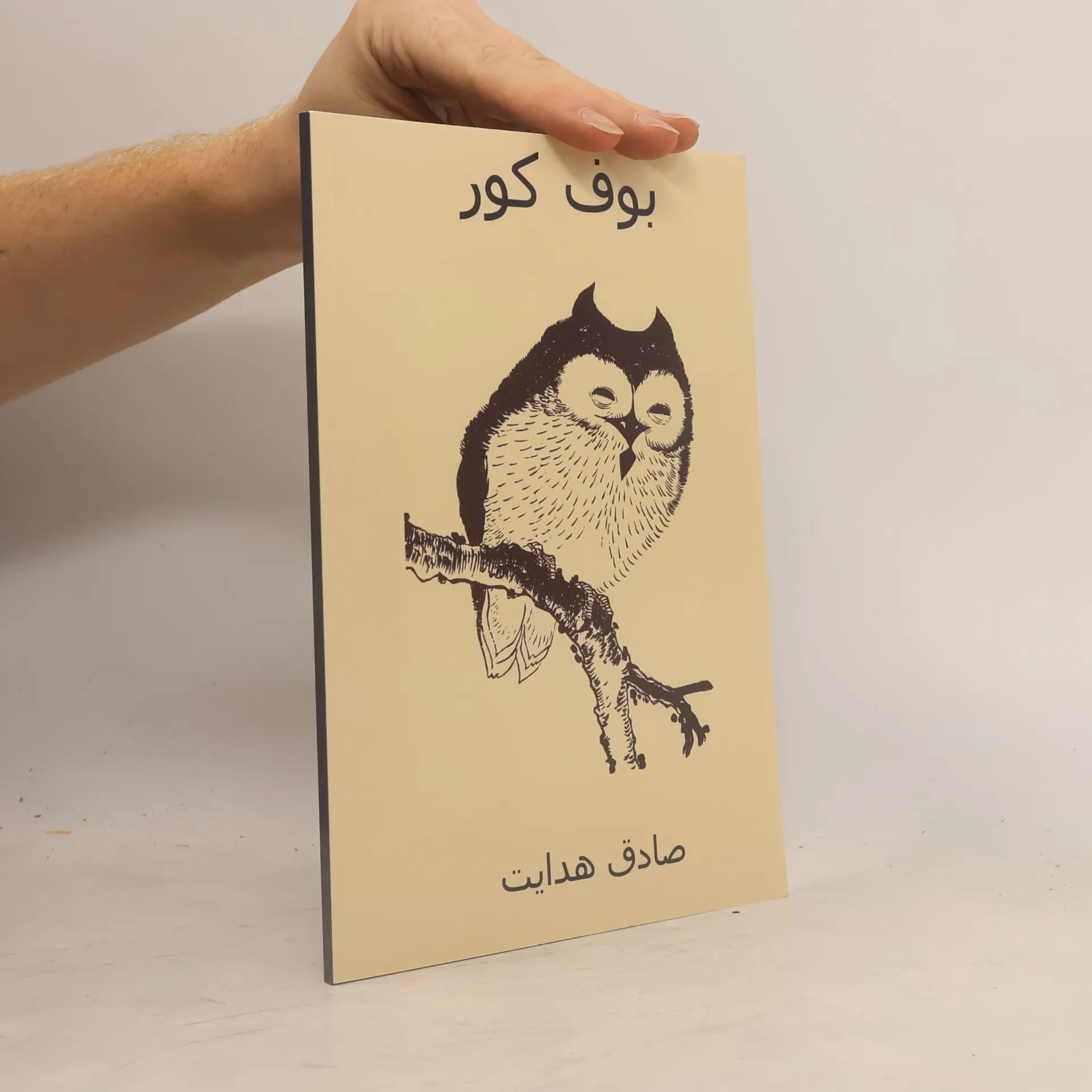
Boof-e Koor (Persian Edition)
Autoři
Více o knize
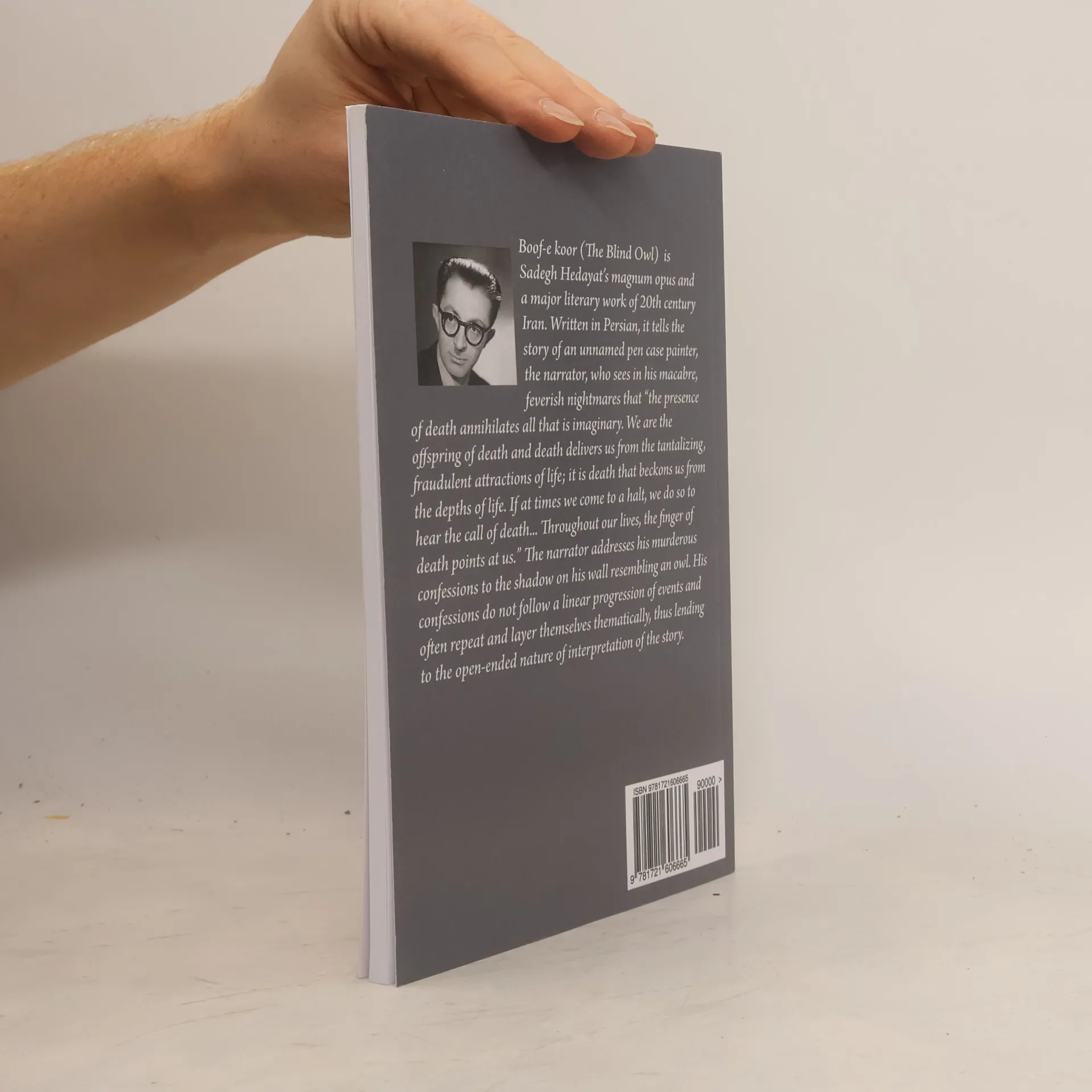
Boof-e koor (The Blind Owl) is Sadegh Hedayat's magnum opus and a major literary work of 20th century Iran. Written in Persian, it tells the story of an unnamed pen case painter, the narrator, who sees in his macabre, feverish nightmares that "the presence of death annihilates all that is imaginary. We are the offspring of death and death delivers us from the tantalizing, fraudulent attractions of life; it is death that beckons us from the depths of life. If at times we come to a halt, we do so to hear the call of death... Throughout our lives, the finger of death points at us." The narrator addresses his murderous confessions to the shadow on his wall resembling an owl. His confessions do not follow a linear progression of events and often repeat and layer themselves thematically, thus lending to the open-ended nature of interpretation of the story.
Nákup knihy
Boof-e Koor (Persian Edition), Sádek Hedájat
- Jazyk

- Rok vydání
- 2018
- Vazba
- (měkká)
Doručení
Platební metody
Nikdo zatím neohodnotil.
- Titul
- Boof-e Koor (Persian Edition)
- Jazyk
- persky
- Autoři
- Sádek Hedájat
- Rok vydání
- 2018
- Vazba
- měkká
- Počet stran
- 74
- ISBN10
- 1721606661
- ISBN13
- 9781721606665
- Série
- Štítky
- Anotace
- Boof-e koor (The Blind Owl) is Sadegh Hedayat's magnum opus and a major literary work of 20th century Iran. Written in Persian, it tells the story of an unnamed pen case painter, the narrator, who sees in his macabre, feverish nightmares that "the presence of death annihilates all that is imaginary. We are the offspring of death and death delivers us from the tantalizing, fraudulent attractions of life; it is death that beckons us from the depths of life. If at times we come to a halt, we do so to hear the call of death... Throughout our lives, the finger of death points at us." The narrator addresses his murderous confessions to the shadow on his wall resembling an owl. His confessions do not follow a linear progression of events and often repeat and layer themselves thematically, thus lending to the open-ended nature of interpretation of the story.