




Více o knize
From Rachel Carson's 1962 warning in Silent Spring to the 1972 Stockholm Conference, the United States, the wealthiest yet largest polluter, has navigated its role in addressing greenhouse gas emissions and global environmental impact. With the financial resources to tackle international environmental issues through technology, the U.S. has the potential to lead in global environmental protection efforts. A group of international scholars examines the evolution of environmental debates leading up to the challenges faced by the George W. Bush administration. They explore whether the U.S. will embrace its role as a leader in international environmental policy or become a reluctant participant, neglecting its moral responsibilities. The contributors analyze key issues across three areas: national security and geopolitics, domestic and international politics, and national interests versus international obligations. Topics covered include ozone depletion, climate change, biodiversity, whale hunting, environmental security, and international trade. Given the increasing importance of environmental issues in diplomacy, this book is a crucial resource for policymakers, activists, and anyone interested in environmental change and international relations.
Nákup knihy
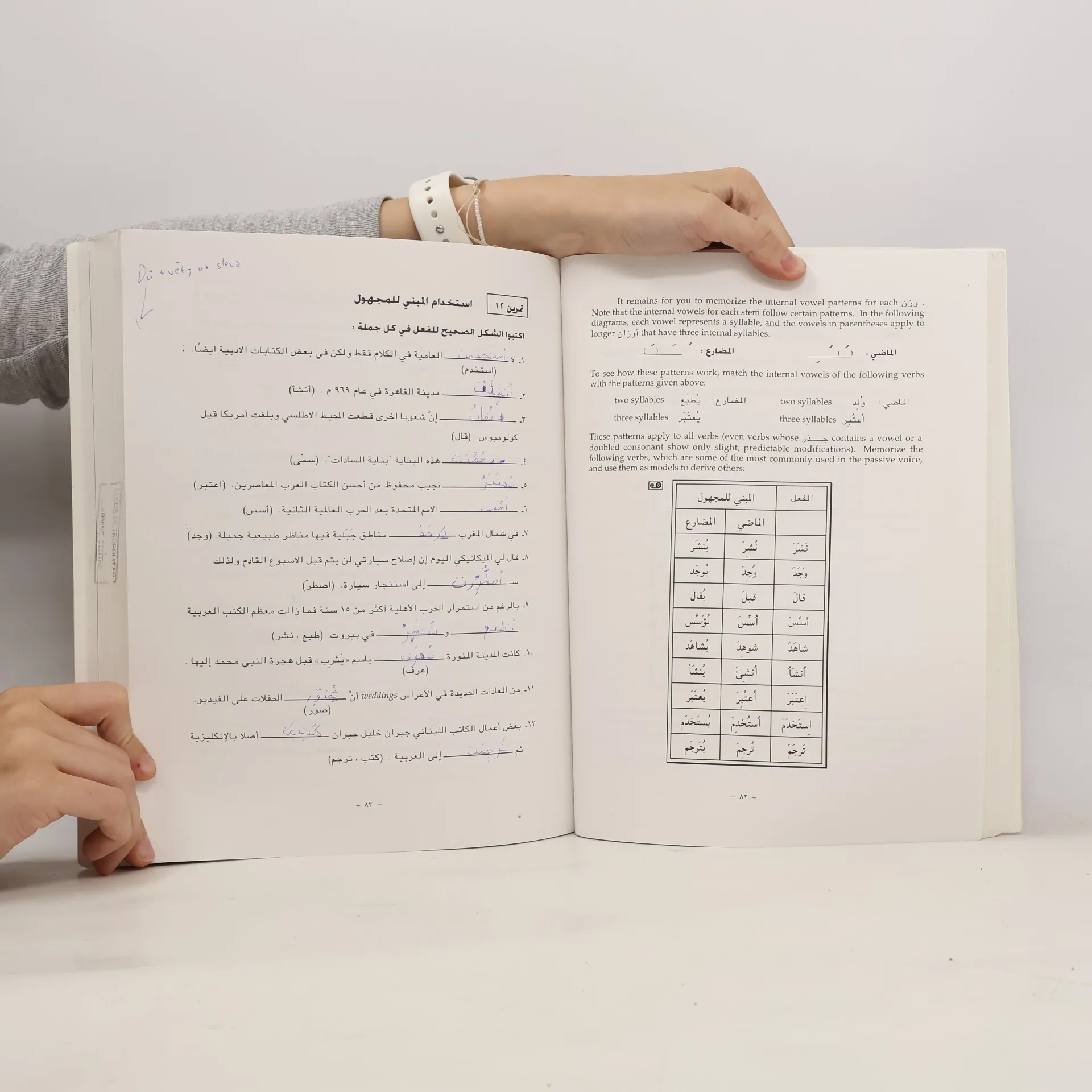
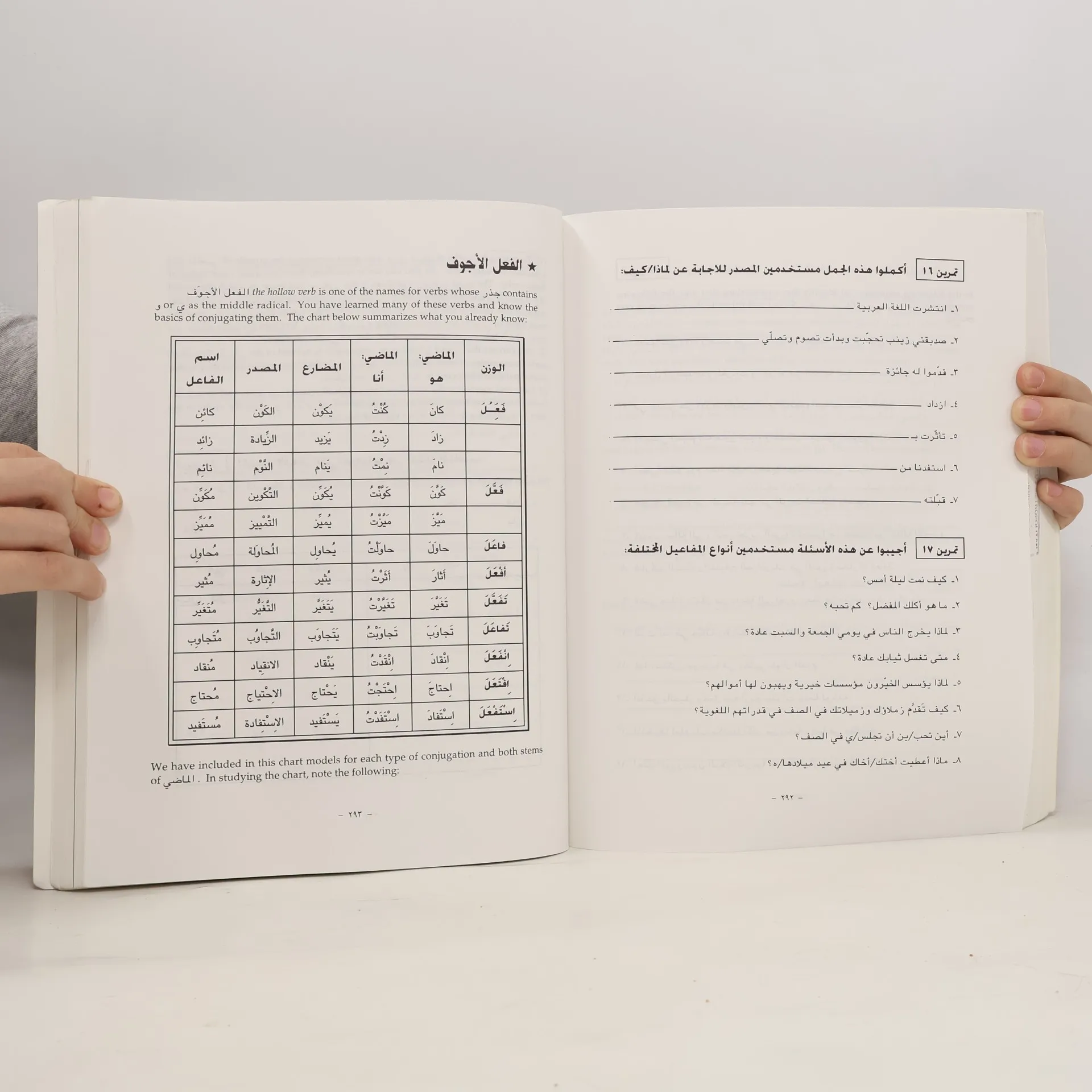
Al-Kitaab Fii Ta Allum Al- Arabiyya/a Textbook for Arabic, Abbas Al-Tonsi, Kristen Brustad, Mahmoud Al-Batal
- Jazyk

- Rok vydání
- 1997
- Vazba
- (měkká),
- Stav knihy
- Poškozená
- Cena
- 147 Kč
Tady nám chybí tvá recenze.
- Titul
- Al-Kitaab Fii Ta Allum Al- Arabiyya/a Textbook for Arabic
- Jazyk
- anglicky
- Vydavatel
- Georgetown University Press
- Rok vydání
- 1997
- Vazba
- měkká
- Počet stran
- 432
- ISBN10
- 0878403507
- ISBN13
- 9780878403509
- Série
- Hodnocení
- 3,7 z 5
- Anotace
- From Rachel Carson's 1962 warning in Silent Spring to the 1972 Stockholm Conference, the United States, the wealthiest yet largest polluter, has navigated its role in addressing greenhouse gas emissions and global environmental impact. With the financial resources to tackle international environmental issues through technology, the U.S. has the potential to lead in global environmental protection efforts. A group of international scholars examines the evolution of environmental debates leading up to the challenges faced by the George W. Bush administration. They explore whether the U.S. will embrace its role as a leader in international environmental policy or become a reluctant participant, neglecting its moral responsibilities. The contributors analyze key issues across three areas: national security and geopolitics, domestic and international politics, and national interests versus international obligations. Topics covered include ozone depletion, climate change, biodiversity, whale hunting, environmental security, and international trade. Given the increasing importance of environmental issues in diplomacy, this book is a crucial resource for policymakers, activists, and anyone interested in environmental change and international relations.