

Parametry
- 404 stránek
- 15 hodin čtení
Více o knize
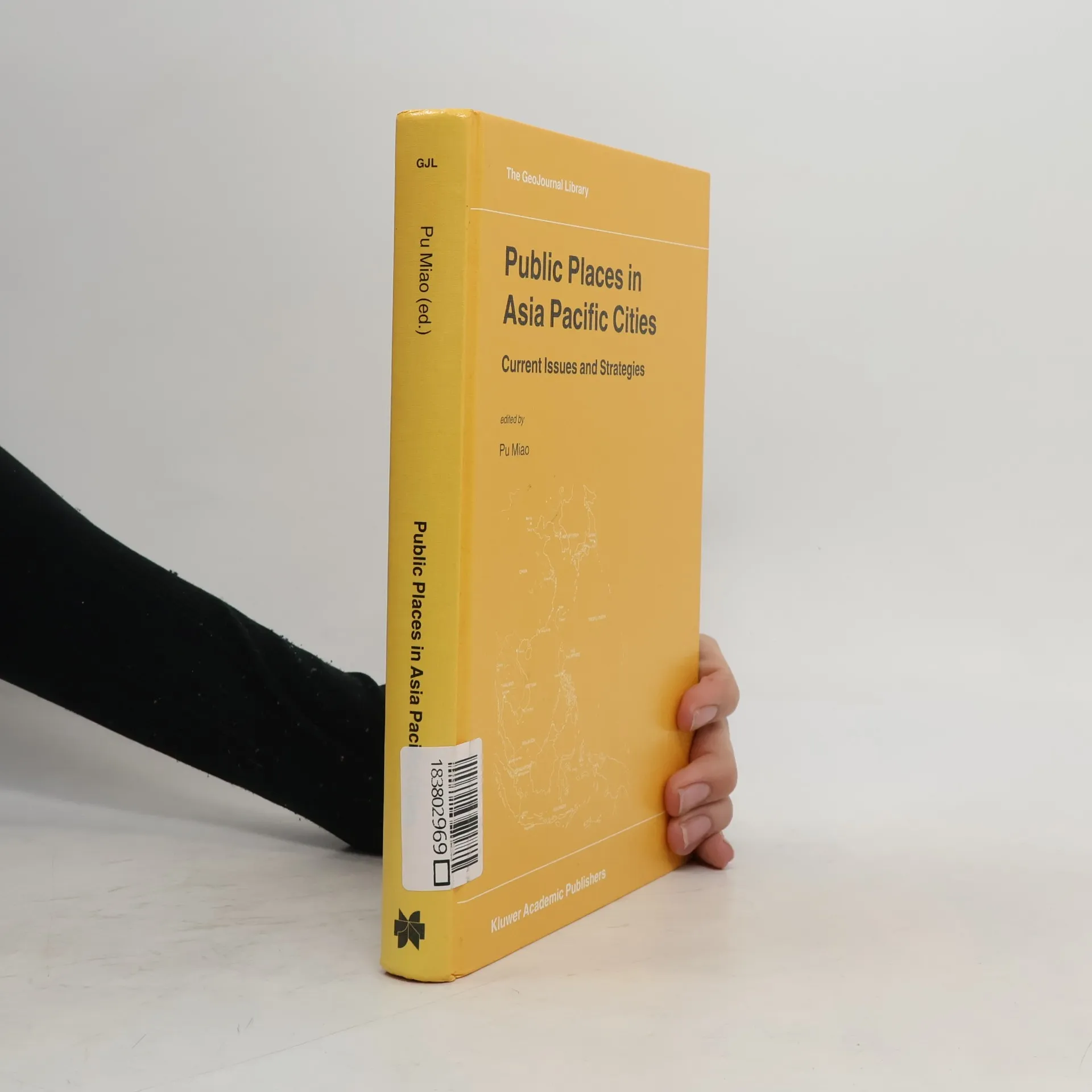
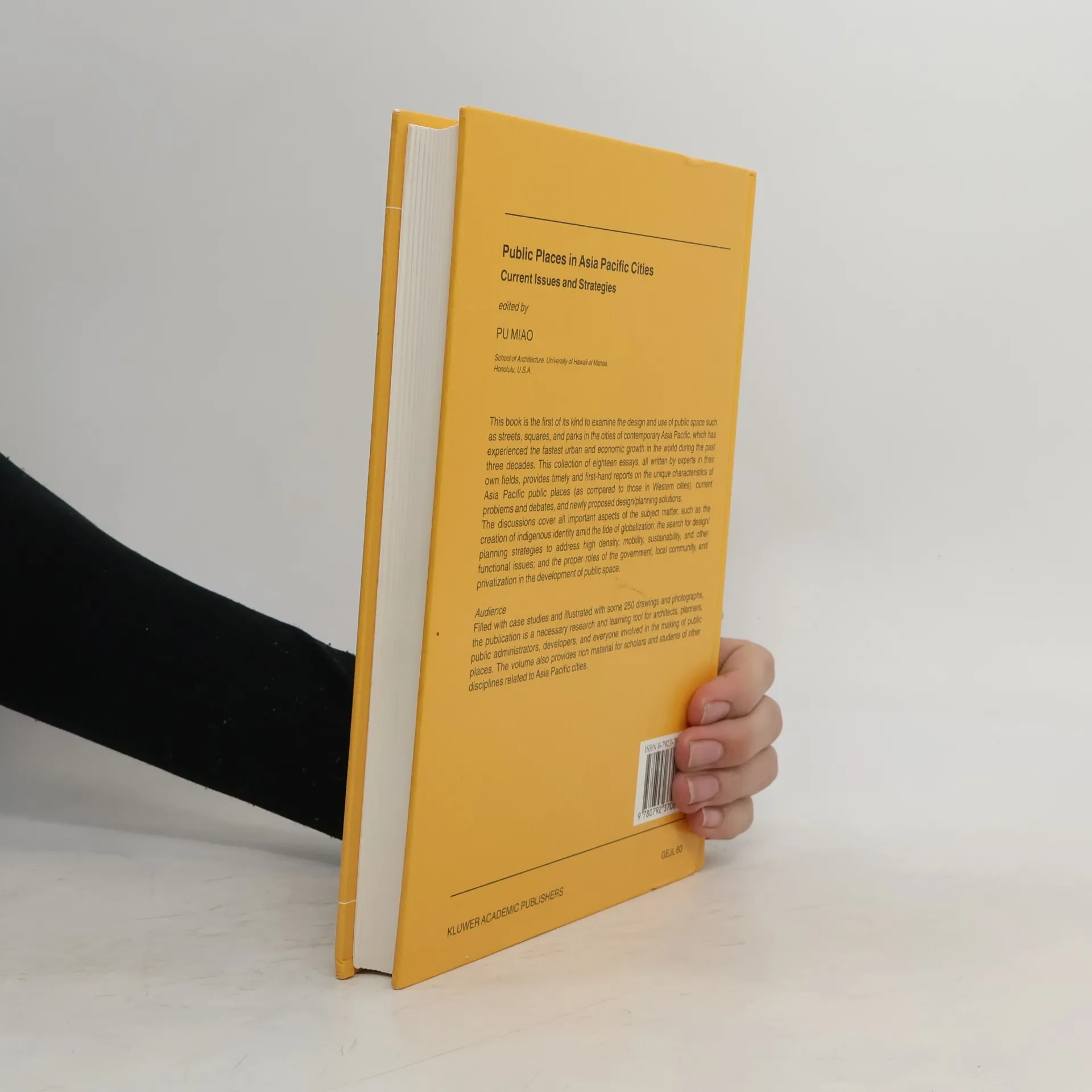
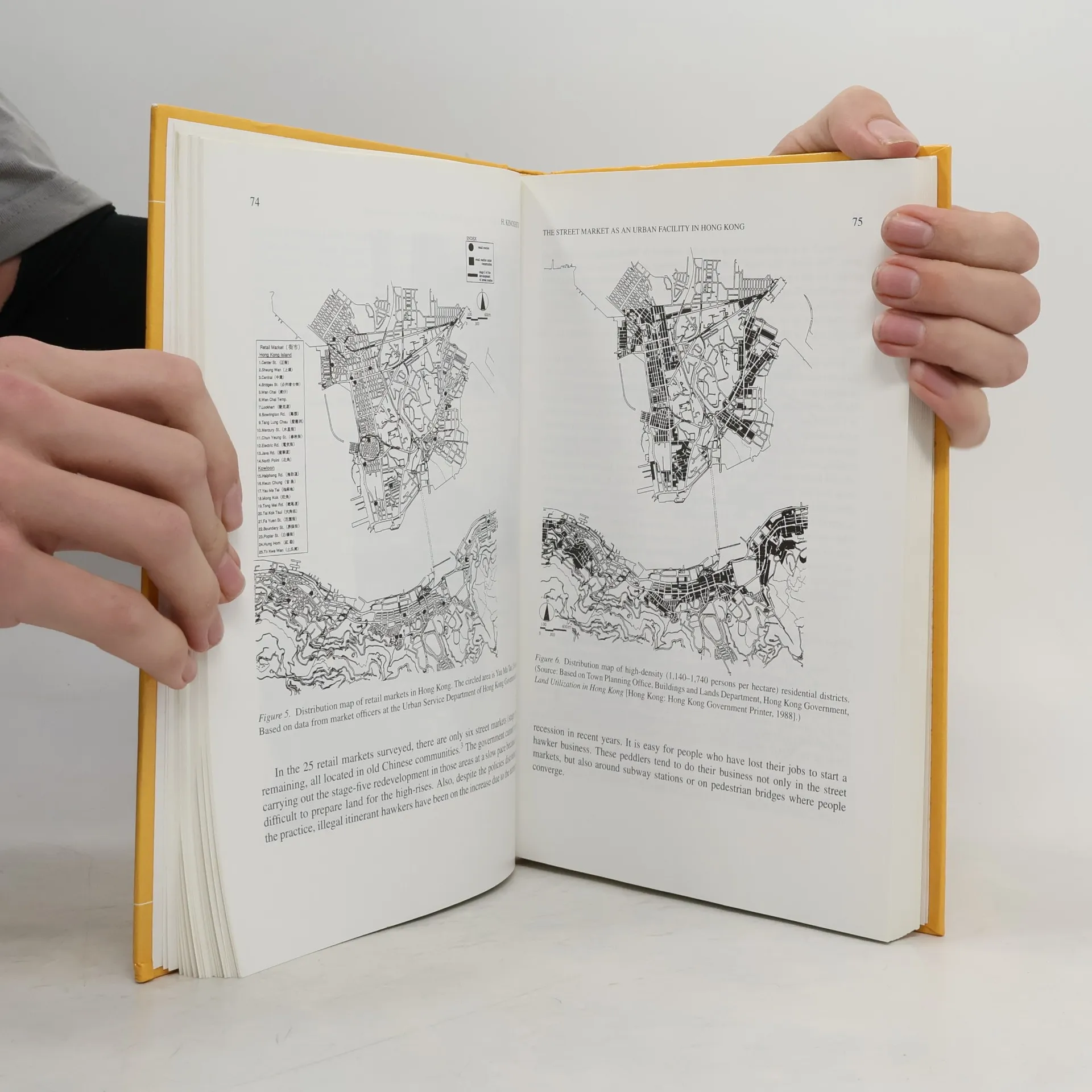
The book explores urban public places in the Asia Pacific region, focusing on their characteristics, current issues, and design trends. It highlights the unique perspectives shaped by high population density, large cities, mixed uses, and a government-centered culture that prioritizes development. The text addresses the East-versus-West dichotomy, the scarcity of public space, and the lack of large nodes within these environments, emphasizing the intensive use and ambiguous boundaries between public and private areas. Chapters delve into identity—both formal and functional—and the challenges of sustainability, contrasting high-tech and low-tech approaches as well as high-density and low-density living. Equality is also a key theme, examining equal participation and accessibility in public spaces. Furthermore, the book discusses major design trends, including the "grey" relationship between public and private realms, the transformation of traditional typologies, and the integration of indigenous materials and colors in contemporary applications. The concept of the tropical public place is also explored, offering insights into the unique characteristics of urban environments in this region. Overall, the work provides a comprehensive overview of the complexities and dynamics of public spaces in Asia Pacific cities.

Nákup knihy
Public Places in Asia Pacific Cities, Max Barlow, Pu Miao, Miao Pu Miao
- Jazyk

- Rok vydání
- 2001
- Vazba
- (pevná),
- Stav knihy
- Velmi dobrá
- Cena
- 3 949 Kč
Nikdo zatím neohodnotil.
- Titul
- Public Places in Asia Pacific Cities
- Podtitul
- Current Issues and Strategies
- Jazyk
- anglicky
- Autoři
- Max Barlow, Pu Miao, Miao Pu Miao
- Vydavatel
- Springer
- Rok vydání
- 2001
- Vazba
- pevná
- Počet stran
- 404
- ISBN10
- 079237083X
- ISBN13
- 9780792370833
- Série
- Kategorie
- Štítky
- Umění, Architektura, Věda, Kultura a společnost, Lokální historie, Asie, Města, Západní Evropa, Udržitelnost, Architekti, Oceánie, Dálný východ
- Anotace
- The book explores urban public places in the Asia Pacific region, focusing on their characteristics, current issues, and design trends. It highlights the unique perspectives shaped by high population density, large cities, mixed uses, and a government-centered culture that prioritizes development. The text addresses the East-versus-West dichotomy, the scarcity of public space, and the lack of large nodes within these environments, emphasizing the intensive use and ambiguous boundaries between public and private areas. Chapters delve into identity—both formal and functional—and the challenges of sustainability, contrasting high-tech and low-tech approaches as well as high-density and low-density living. Equality is also a key theme, examining equal participation and accessibility in public spaces. Furthermore, the book discusses major design trends, including the "grey" relationship between public and private realms, the transformation of traditional typologies, and the integration of indigenous materials and colors in contemporary applications. The concept of the tropical public place is also explored, offering insights into the unique characteristics of urban environments in this region. Overall, the work provides a comprehensive overview of the complexities and dynamics of public spaces in Asia Pacific cities.