

Parametry
- 256 stránek
- 9 hodin čtení
Více o knize
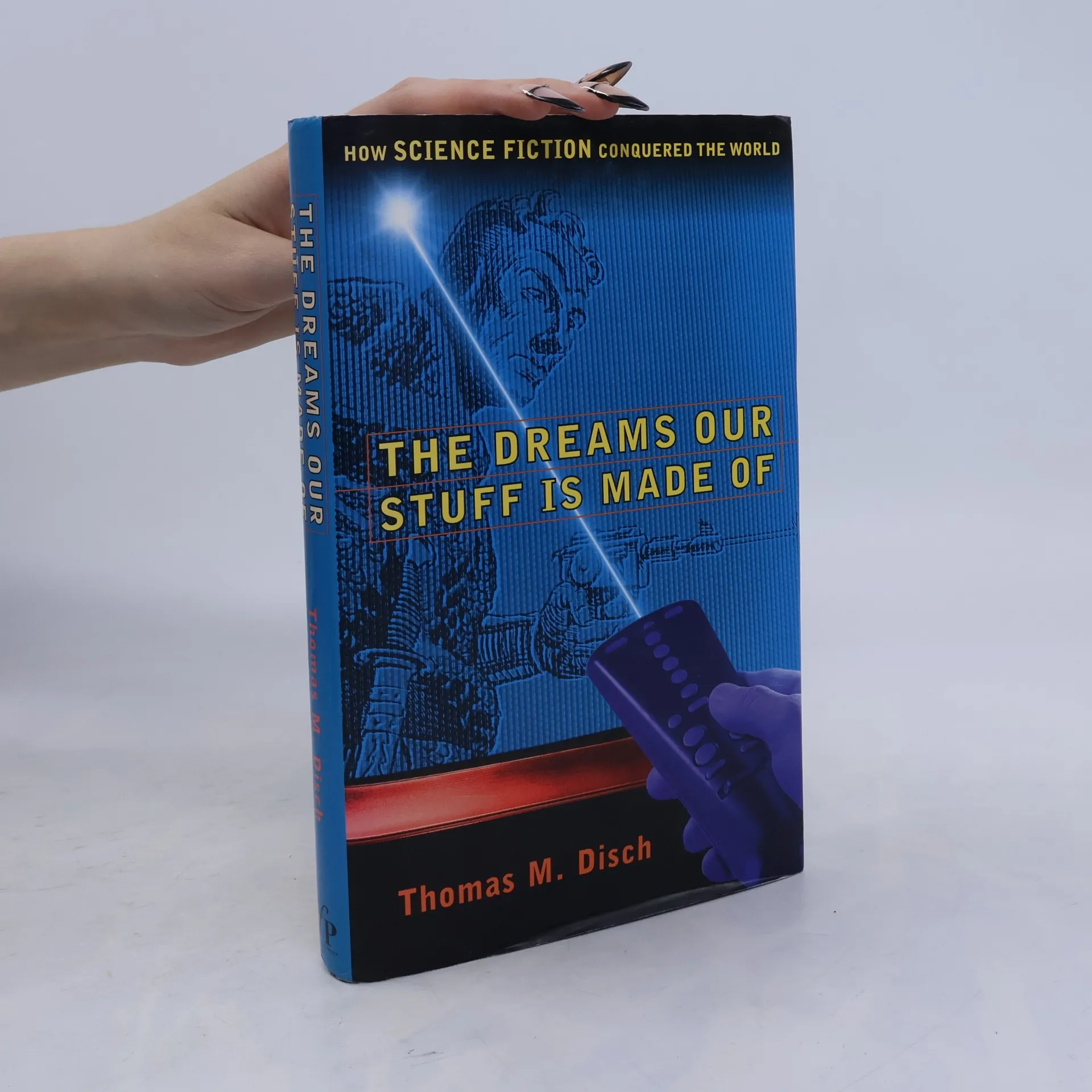
In The Dreams Our Stuff Is Made Of, Thomas Disch redefines science fiction as a significant literary genre with cultural weight, much like he did for poetry in The Castle of Indolence. He approaches it as serious literature rather than a mere playground for dreamers, offering insights from his experience as a writer to distinguish quality works from lesser ones. Disch begins with Edgar Allan Poe and presents science fiction as a reflection of America's culture of deception. He critiques various figures and phenomena, from Whitley Strieber's alien abduction tales to John Norman's sadomasochistic fantasies, and the appropriation of cyberpunk by avant-garde academics. Disch does not shy away from criticizing ideologies that compromise good writing, targeting both feminist utopias and conservative militaristic narratives. Even Robert Heinlein, a revered Grand Master, faces scrutiny for his sexism, racism, and solipsism, particularly in his later works. Disch expresses admiration for Philip K. Dick, the British New Wave writers like J. G. Ballard and Michael Moorcock, and Joe Haldeman's The Forever War, which he argues deserves a Pulitzer. Whether confirming suspicions or provoking outrage, this book guarantees an engaging read.
Nákup knihy
The Dreams Our Stuff is Made Of, Thomas M. Disch
- Jazyk

- Rok vydání
- 1998
- Vazba
- (pevná)
Nikdo zatím neohodnotil.
- Titul
- The Dreams Our Stuff is Made Of
- Podtitul
- How Science Fiction Conquered the World
- Jazyk
- anglicky
- Autoři
- Thomas M. Disch
- Vydavatel
- Free Press
- Rok vydání
- 1998
- Vazba
- pevná
- Počet stran
- 256
- ISBN10
- 0684824051
- ISBN13
- 9780684824055
- Série
- Kategorie
- Štítky
- Příručky a návody, Věda, USA, 20. století, 19. století, Kultura a společnost, Literární kritika, O knihách, Modernismus, Sociální aspekty
- Anotace
- In The Dreams Our Stuff Is Made Of, Thomas Disch redefines science fiction as a significant literary genre with cultural weight, much like he did for poetry in The Castle of Indolence. He approaches it as serious literature rather than a mere playground for dreamers, offering insights from his experience as a writer to distinguish quality works from lesser ones. Disch begins with Edgar Allan Poe and presents science fiction as a reflection of America's culture of deception. He critiques various figures and phenomena, from Whitley Strieber's alien abduction tales to John Norman's sadomasochistic fantasies, and the appropriation of cyberpunk by avant-garde academics. Disch does not shy away from criticizing ideologies that compromise good writing, targeting both feminist utopias and conservative militaristic narratives. Even Robert Heinlein, a revered Grand Master, faces scrutiny for his sexism, racism, and solipsism, particularly in his later works. Disch expresses admiration for Philip K. Dick, the British New Wave writers like J. G. Ballard and Michael Moorcock, and Joe Haldeman's The Forever War, which he argues deserves a Pulitzer. Whether confirming suspicions or provoking outrage, this book guarantees an engaging read.