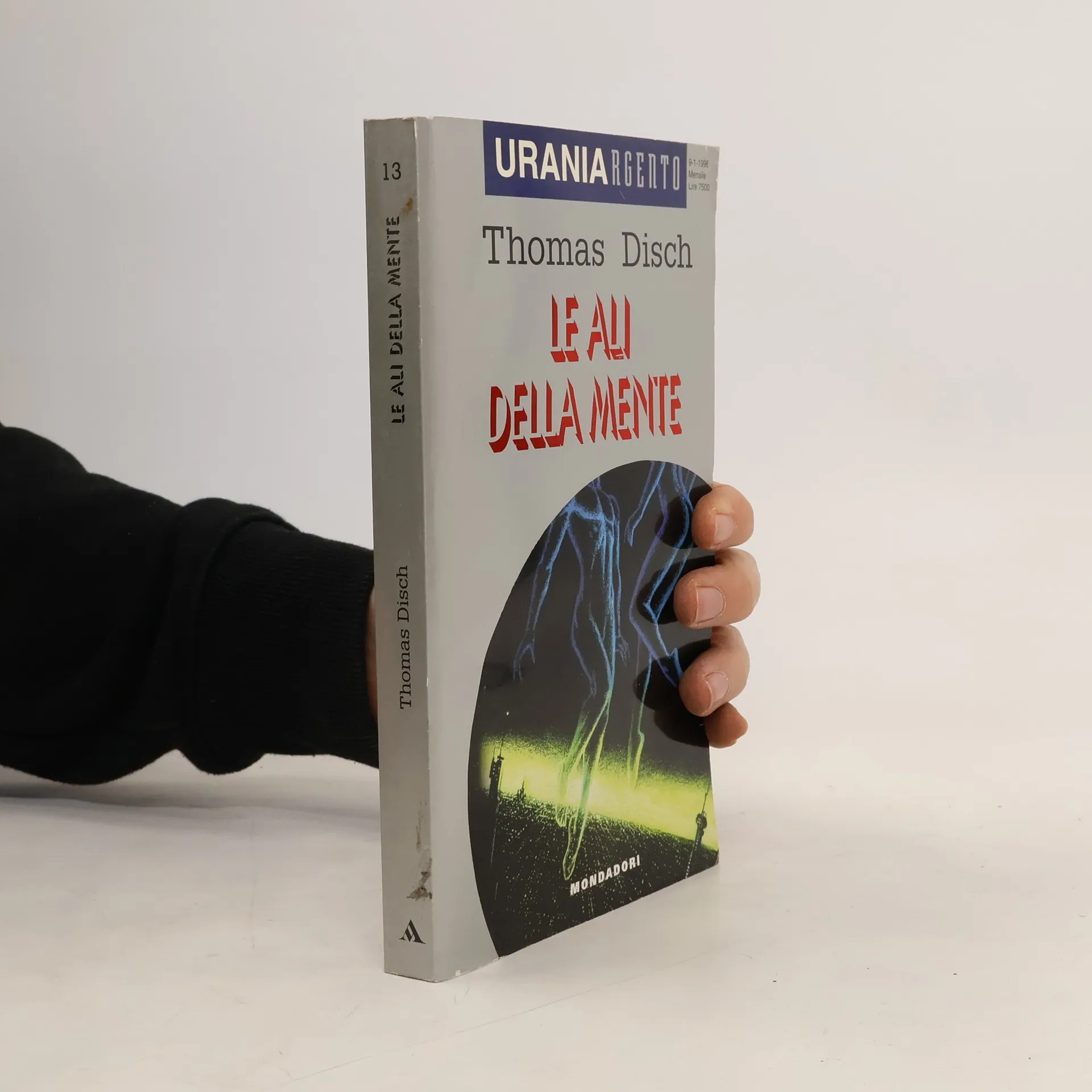
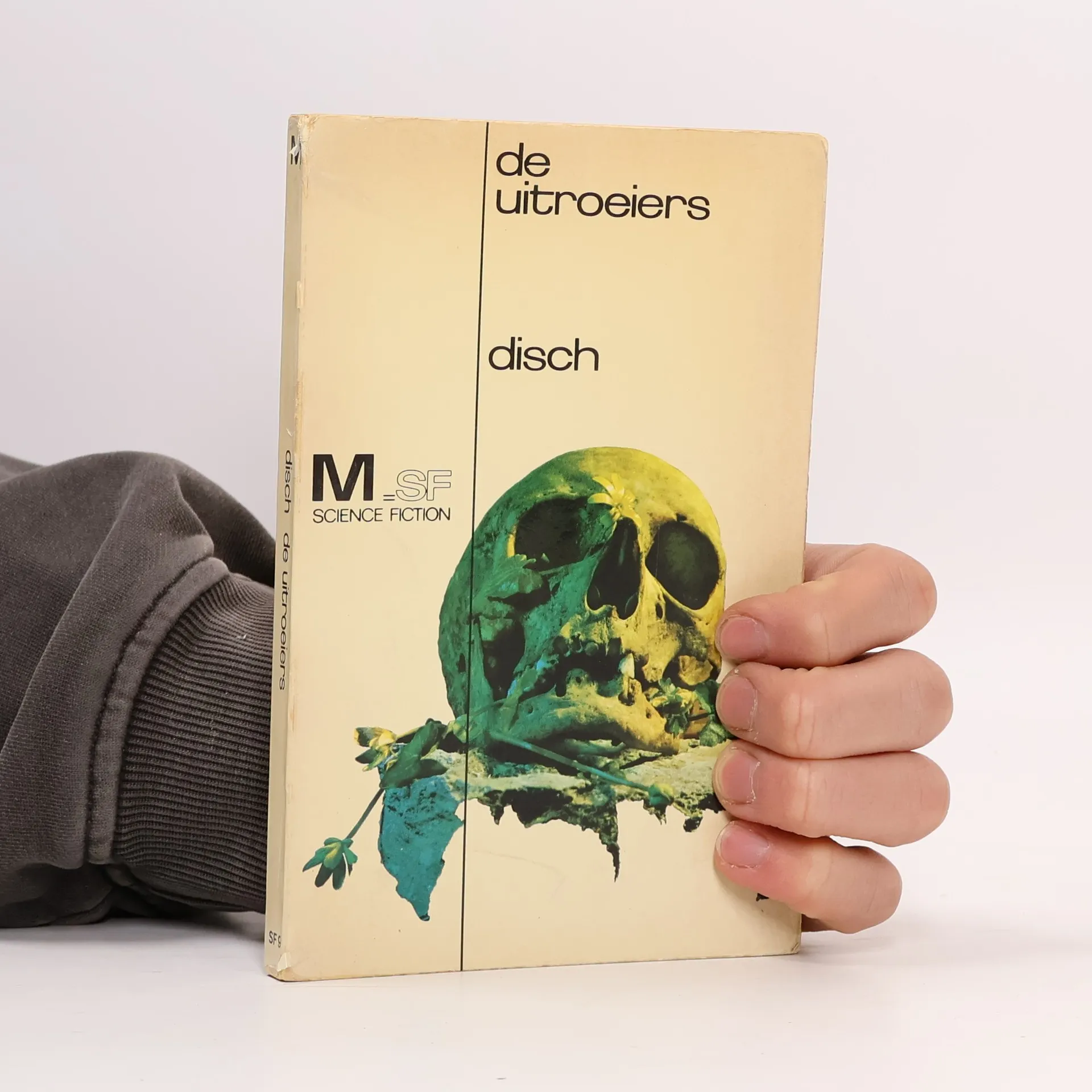
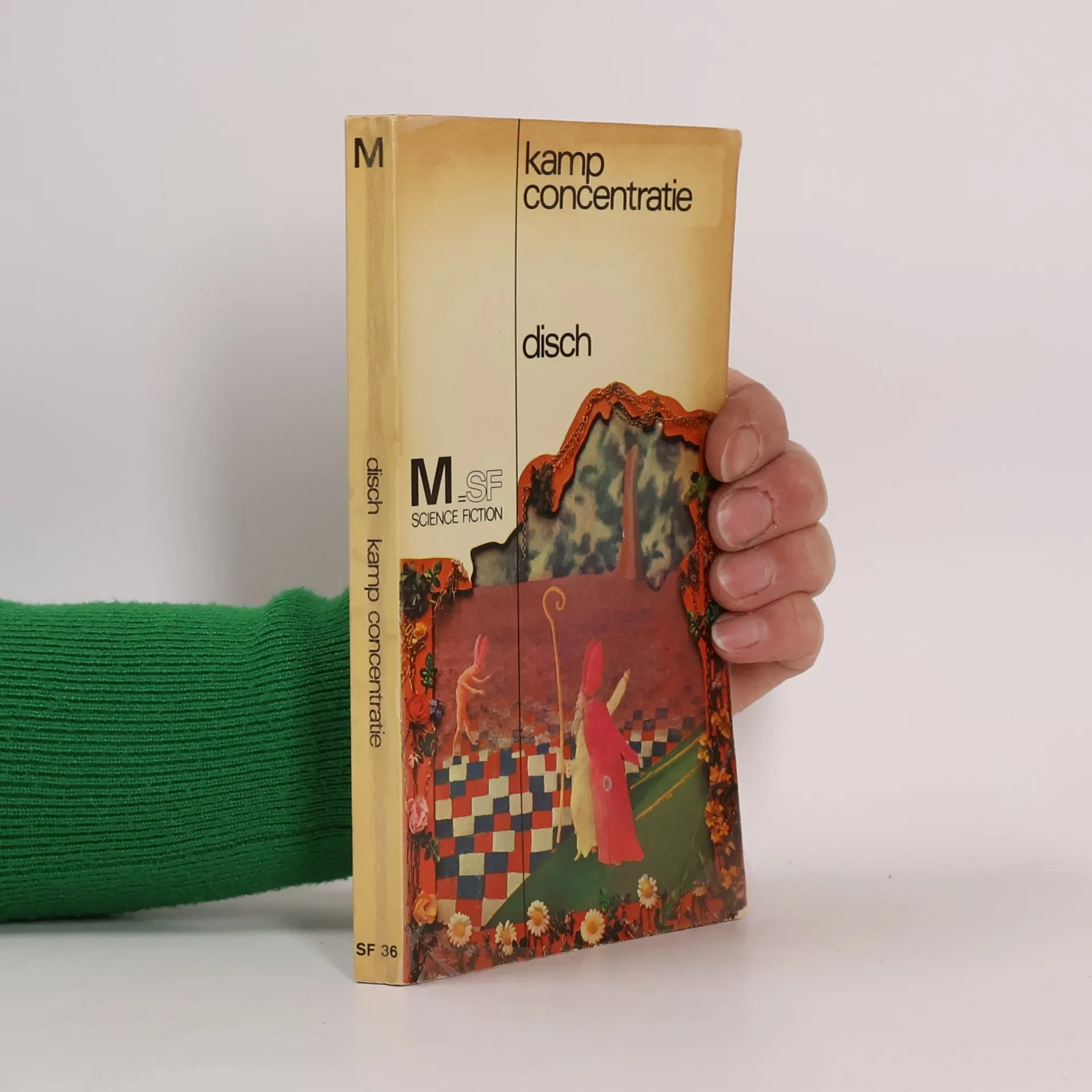
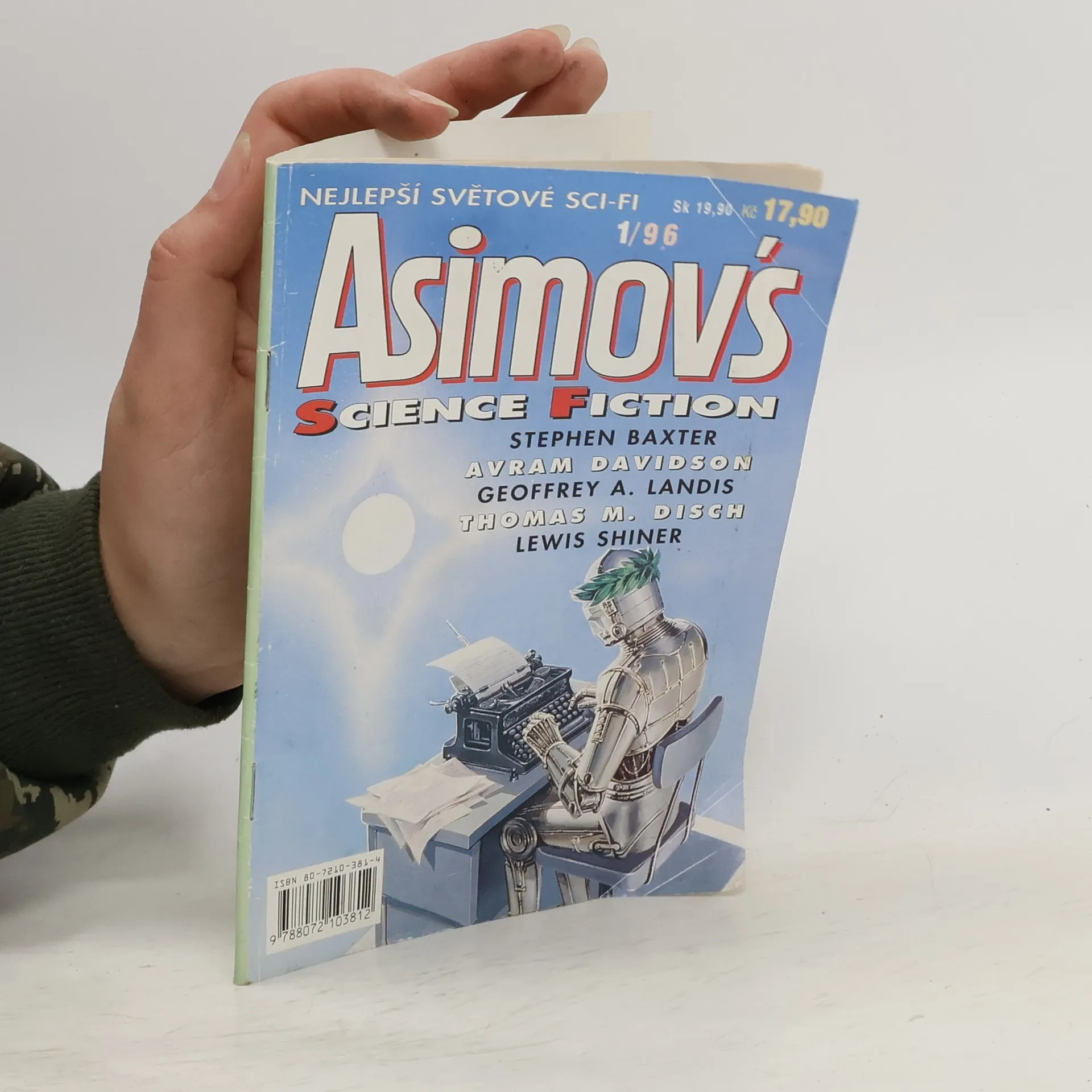
Asimov's Science Fiction 1/1996
- 60 stránek
- 3 hodiny čtení


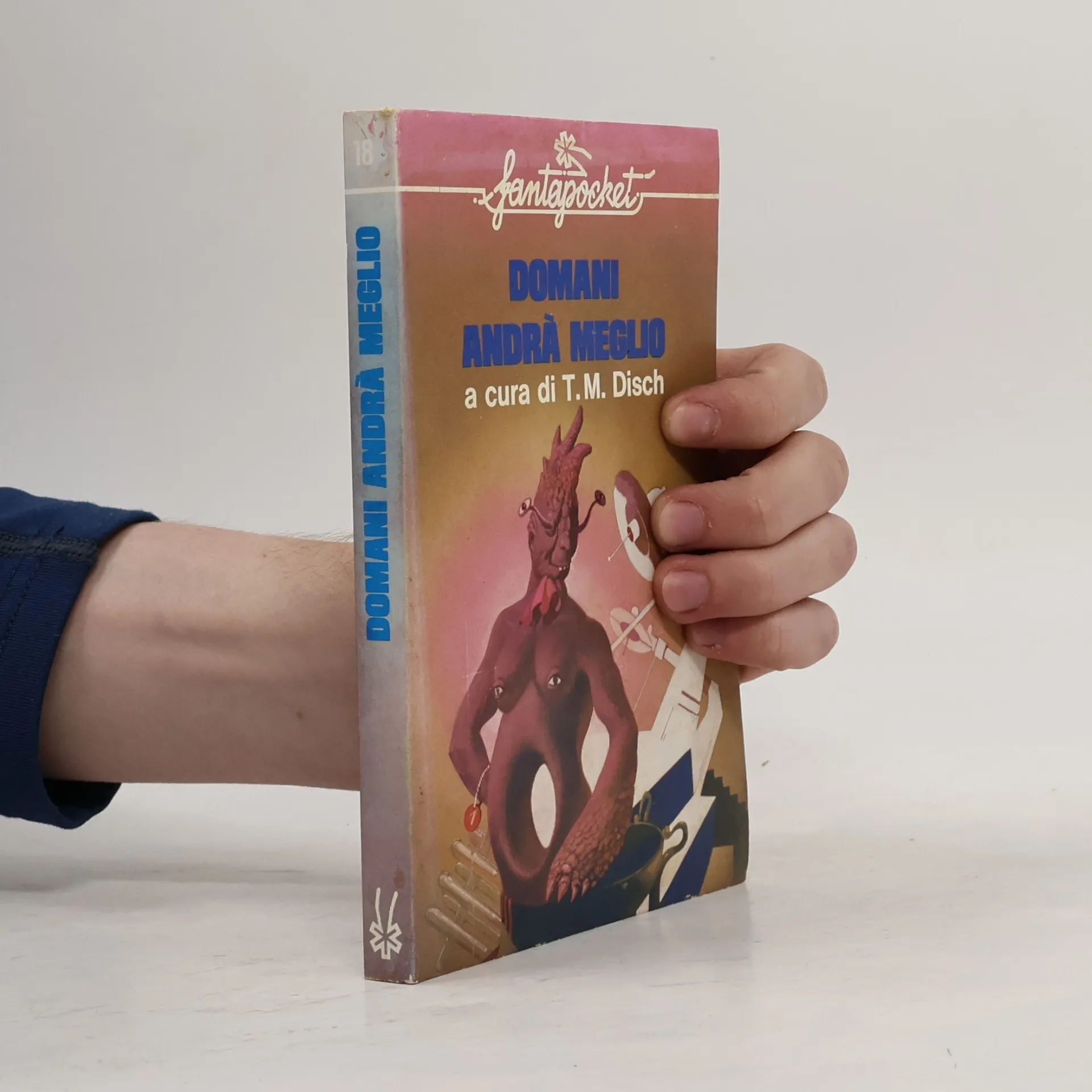
Thomas M. Disch byl básník a cynik, který do science fiction Nové vlny vnesl táborový cit a sarkasmus, který mnoha dílům SF chyběl. Jeho SF romány vynikají originálními nápady a jsou mezi hořkosladkými díly žánru. V pozdějších letech se Disch věnoval ironicky moralizujícím hororovým románům, které satirizují noční můru amerického předměstí skrze děsivé události. Jeho často nejznámější dílo je přetvořením klasické pohádky, které se stalo úspěšným dětským animovaným muzikálem.


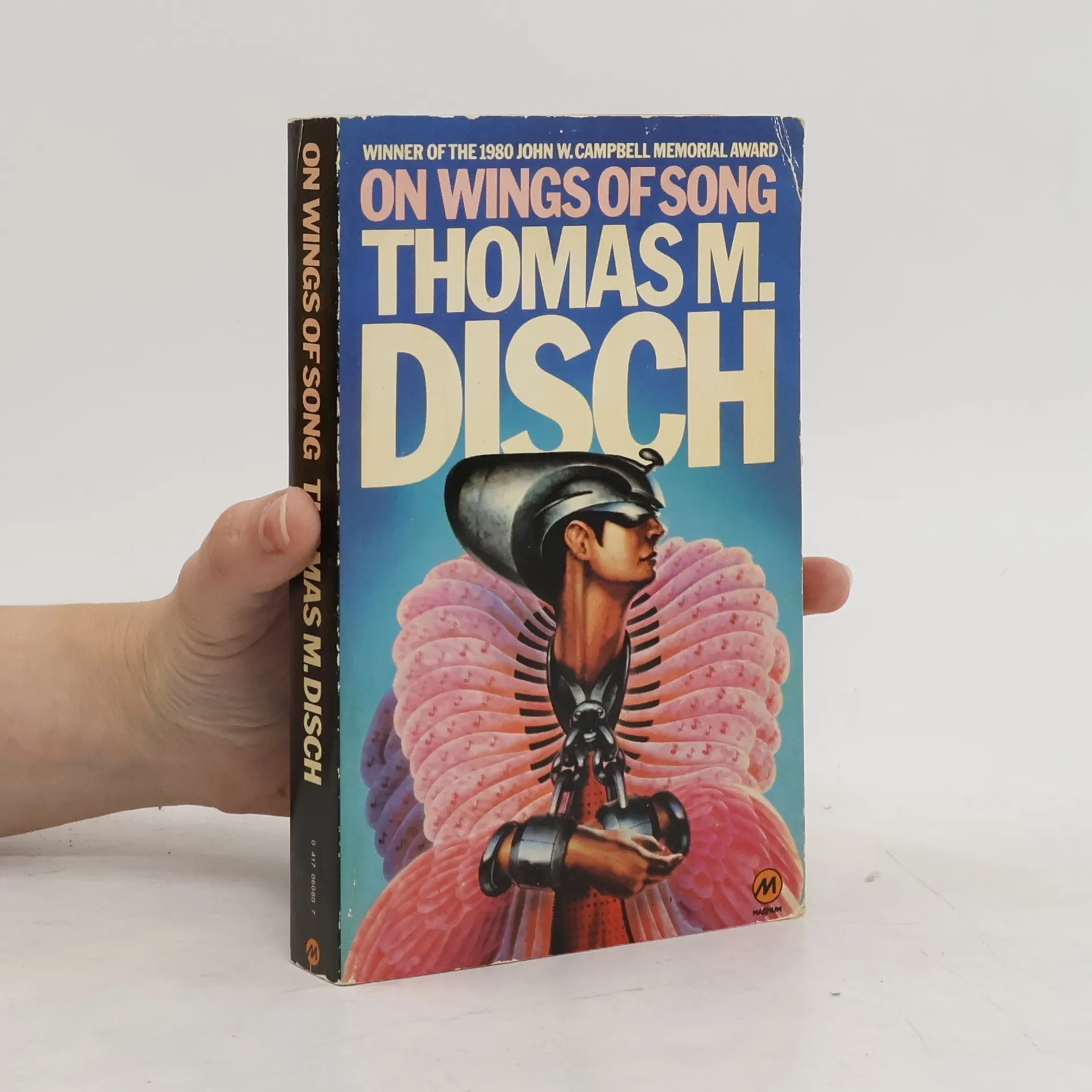
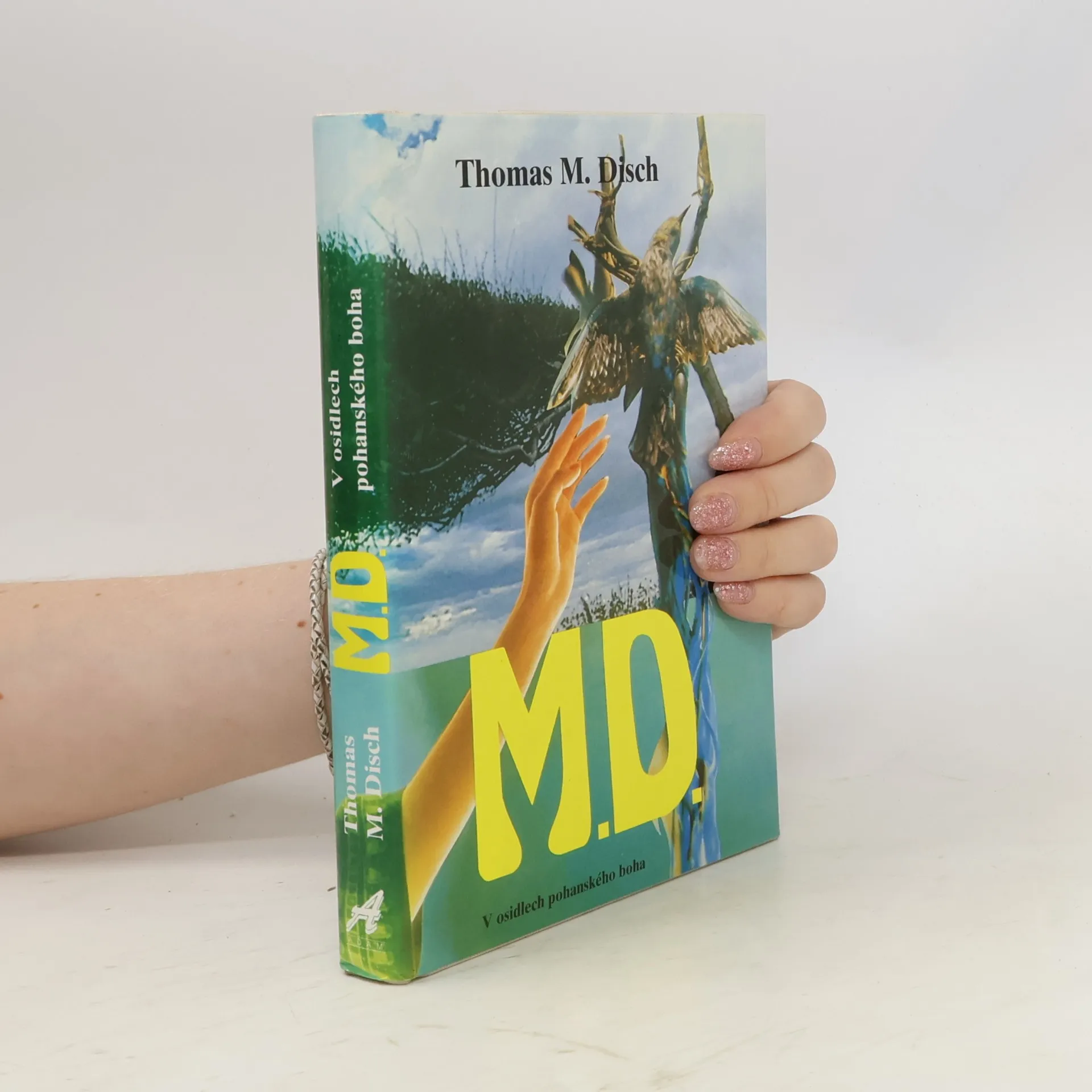
Psychologický román s prvky hororu je mistrně podaným příběhem mystické hrůzy a tajemna, odehrávajícím se v nedávné minulosti a blízké budoucnosti. V rozmezí téměř čtvrt století sledujeme osudy chlapce Billyho, který se v šesti letech stal vyvolencem dávného boha lékařského umění Merkura a díky jeho talismanu byl nadán zázračnou silou léčit a uzdravovat. Neumí však jen léčit, ale i zabíjet a ničit. Děs, který taková moc plodí, se odráží během let nejen na členech rodiny, ale postupně, s Billovým přibývajícím věkem, kdy se stává věhlasným lékařem, i na celém lidstvu. Drama „božího" působení vrcholí, zlo přerůstá do neovladatelnosti a obrací se nakonec i proti jeho samotnému nositeli. Billy se dostává do soukolí obludné mašinérie, kterou sám stvořil......
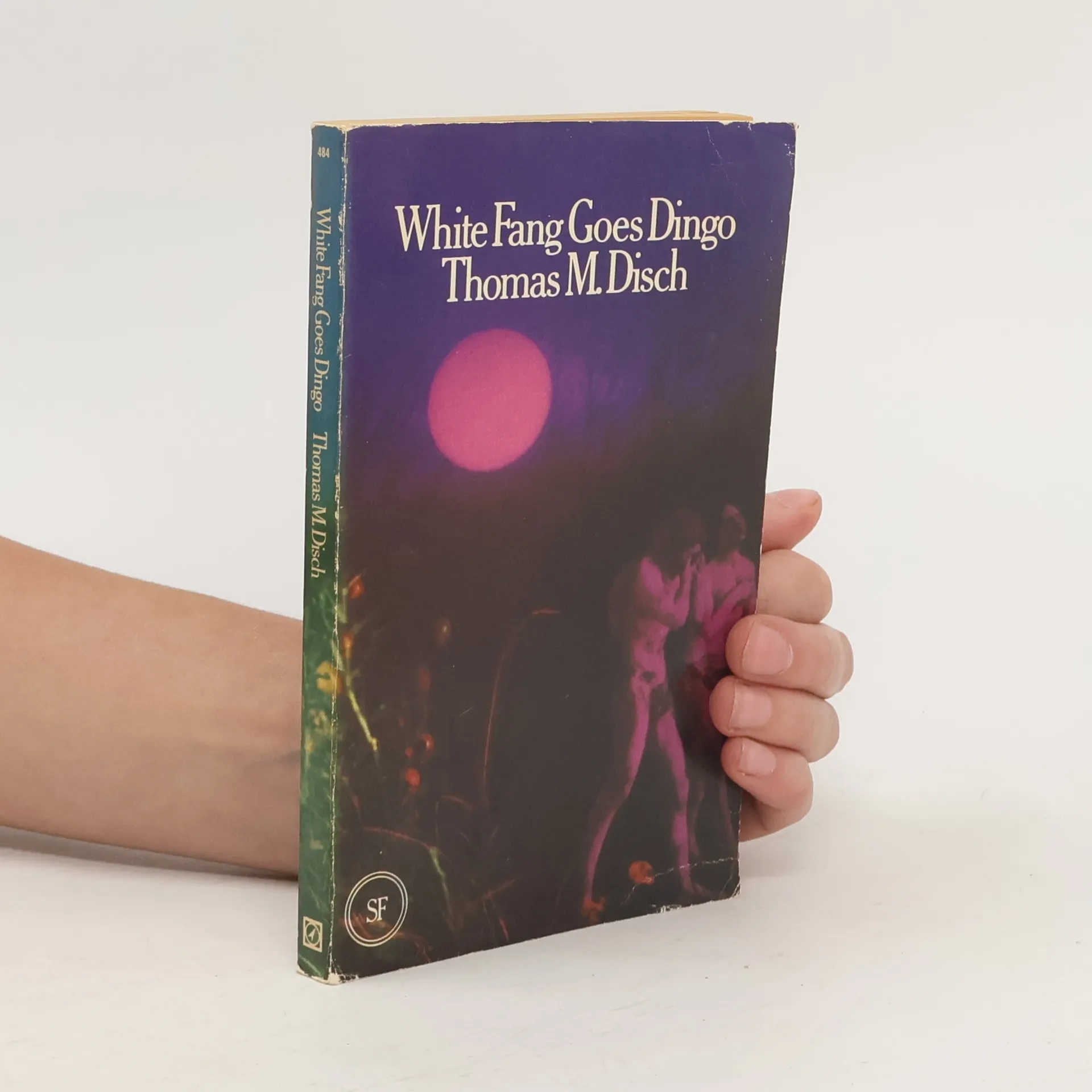
In his seventh novel, Disch reaches a literary high point in the field of science fiction. At once hilarious and frightening, it follows Daniel Weinreb as he attempts to escape the repressive laws and atmosphere of the isolationist State of Iowa. A rich black comedy of bizarre sexual ambiguity and adventurism.
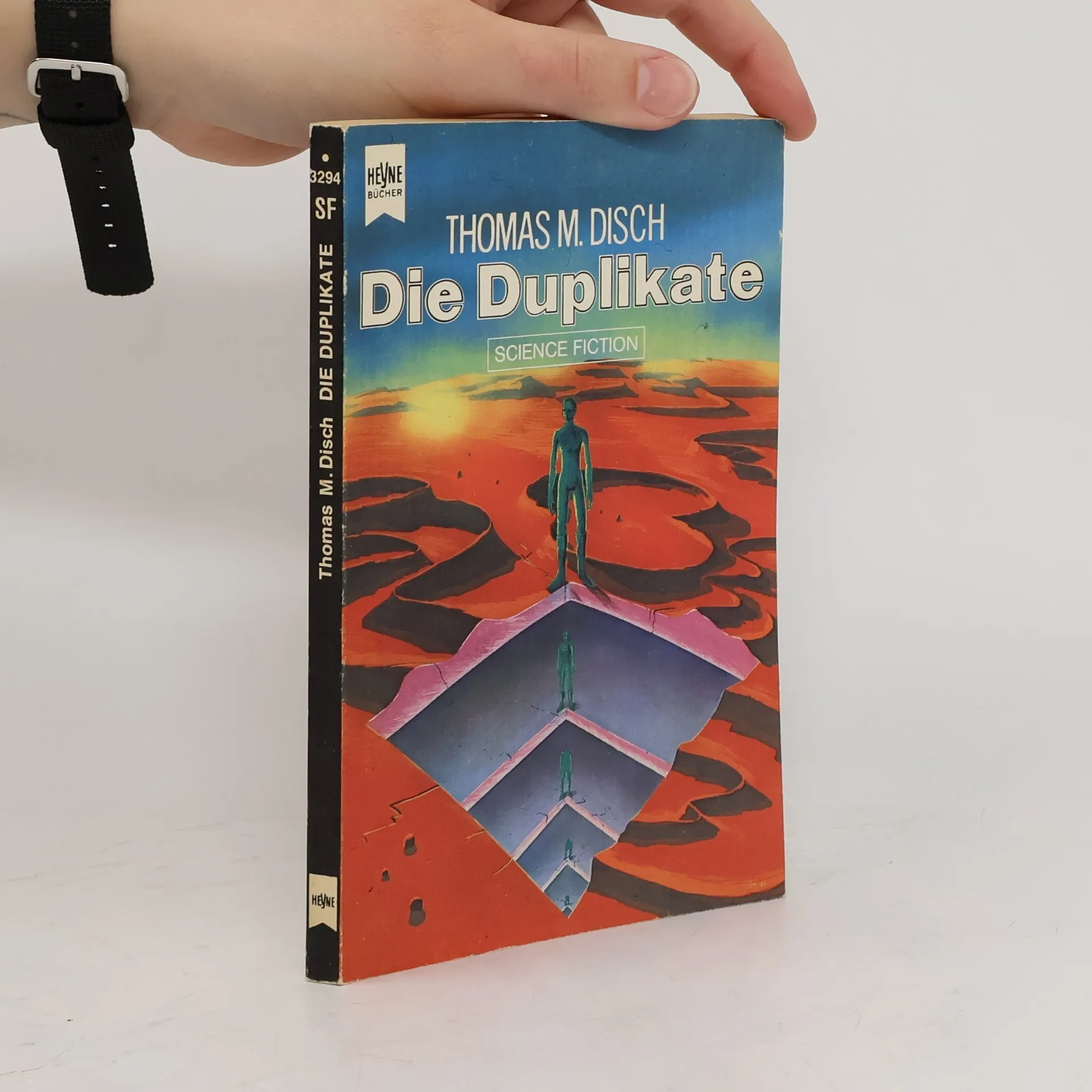
A construction worker discovers he is actually a secret agent and travels to Mars to uncover his true identity and why his memory was erased.
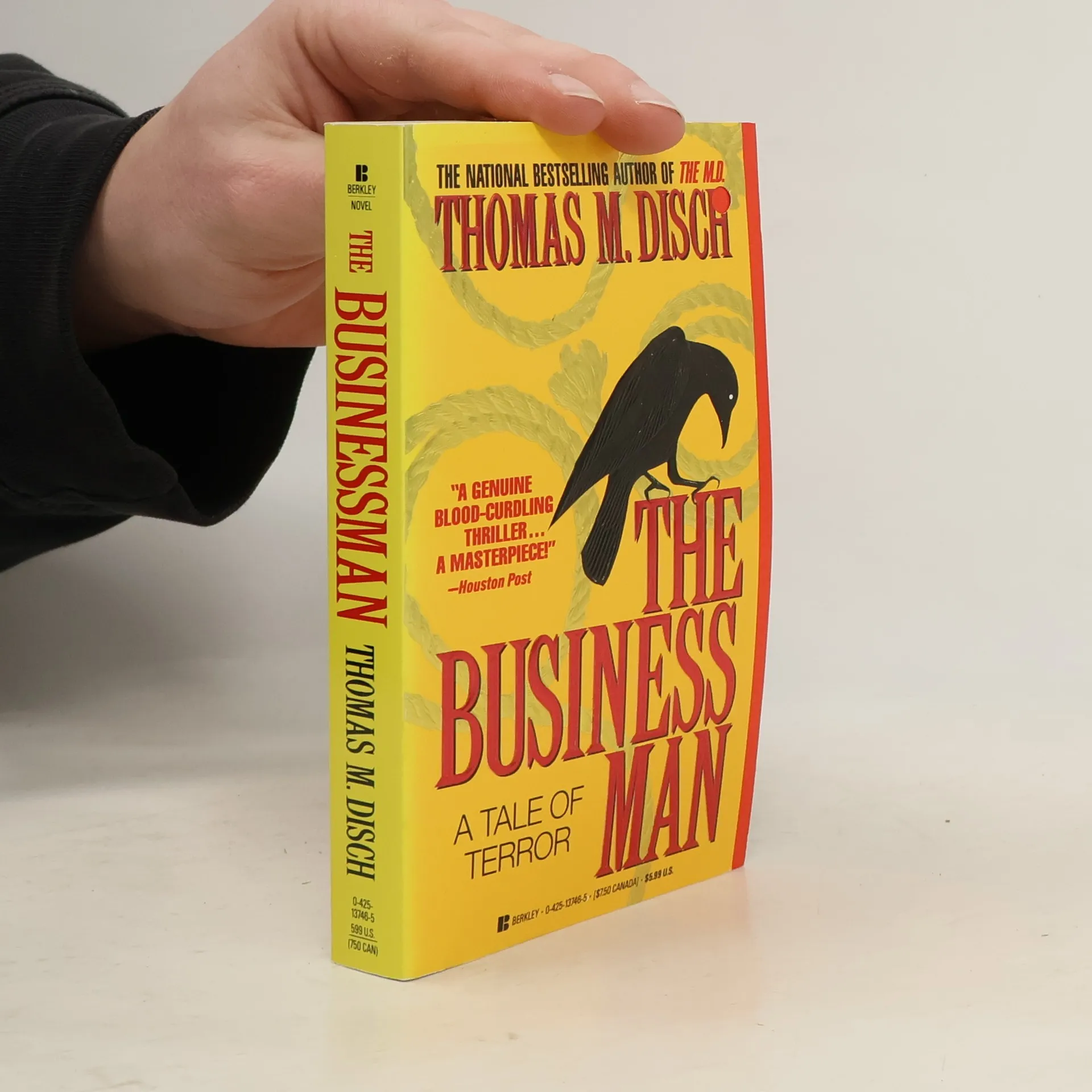
At the center of Thomas M. Disch's novel The Priest is Father Patrick Bryce, a Catholic priest with a present-day Minneapolis parish-and a pedophile past. He's spent time at a church-run retreat for priests of his type and returned "rehabilitated" and even better equipped to keep his vice active and hidden. That is, until the blackmail begins, and each demand tops the next. Fiendishly comic and darkly hypnotic, The Priest is a spellbinding work that builds at breakneck speed to its gripping, gruesome, and eerily romantic finale.
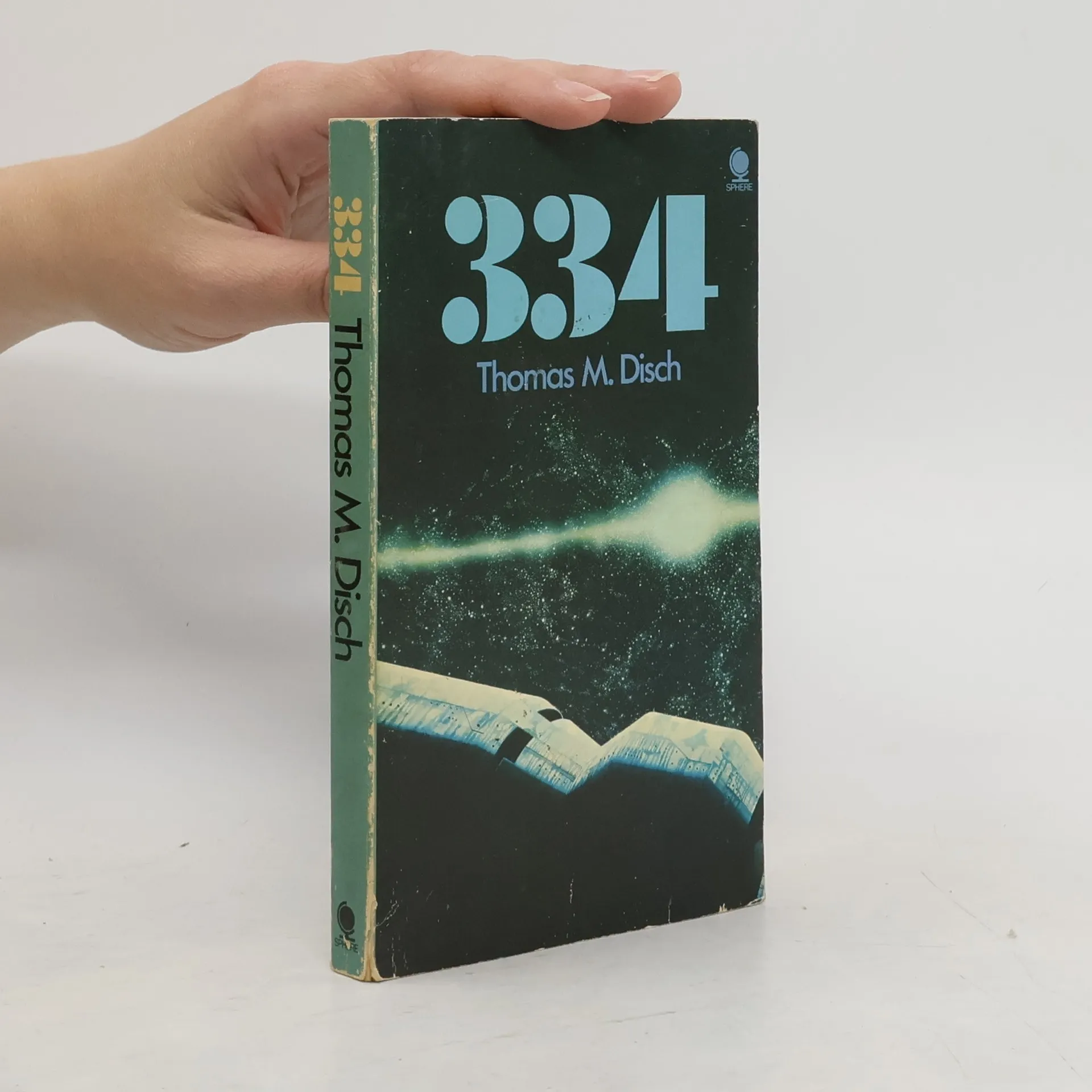
If Charles Dickens has written speculative fiction, he might have created a novel as intricate, passionate, and lacerating as Thomas M. Disch's visionary portrait of the underbelly of 21st-century New York City. The residents of the public housing project at 334 East 11th Street live in a world of rationed babies and sanctioned drug addiction. Real food is displayed in museums and hospital attendants moonlight as body-snatchers. Nimbly hopscotching backward and forward in time, Disch charts the shifting relationships between this world's inheritors: an aging matriarch who falls in love with her young social worker; a widow seeking comfort from the spirit of her dead husband; a privileged preteen choreographing the perfectly gratuitous murder. Poisonously funny, piercingly authentic, 334 is a masterpiece of social realism disguised as science fiction.
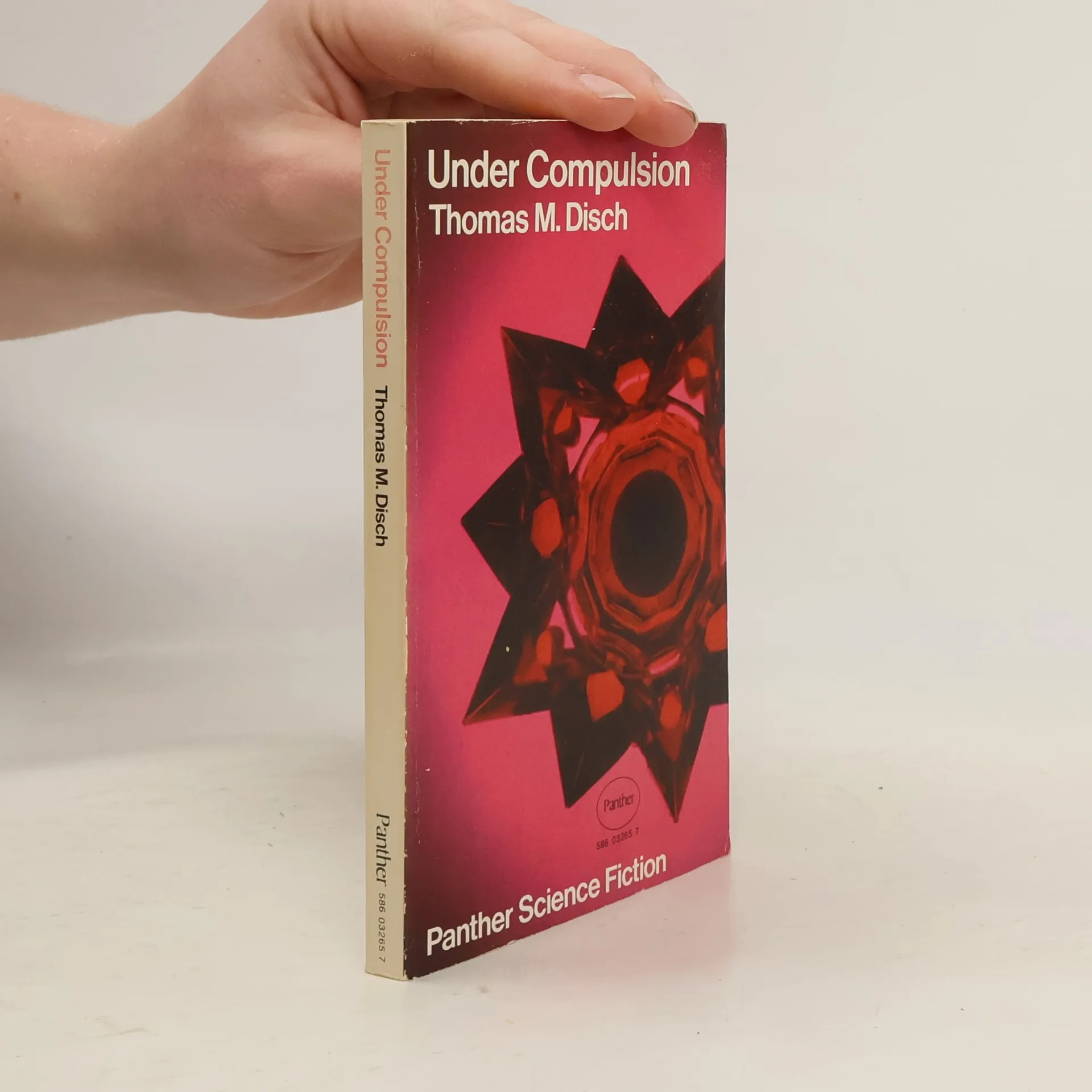
In this speculative fiction, Thomas M. Disch depicts an alternate 1970s where America is at war with the world and its citizens. Louis Sacchetti, a poet imprisoned for draft resistance, becomes a witness to brutal military experiments at Camp Archimedes, where a drug called Pallidine enhances intelligence but leads to death.
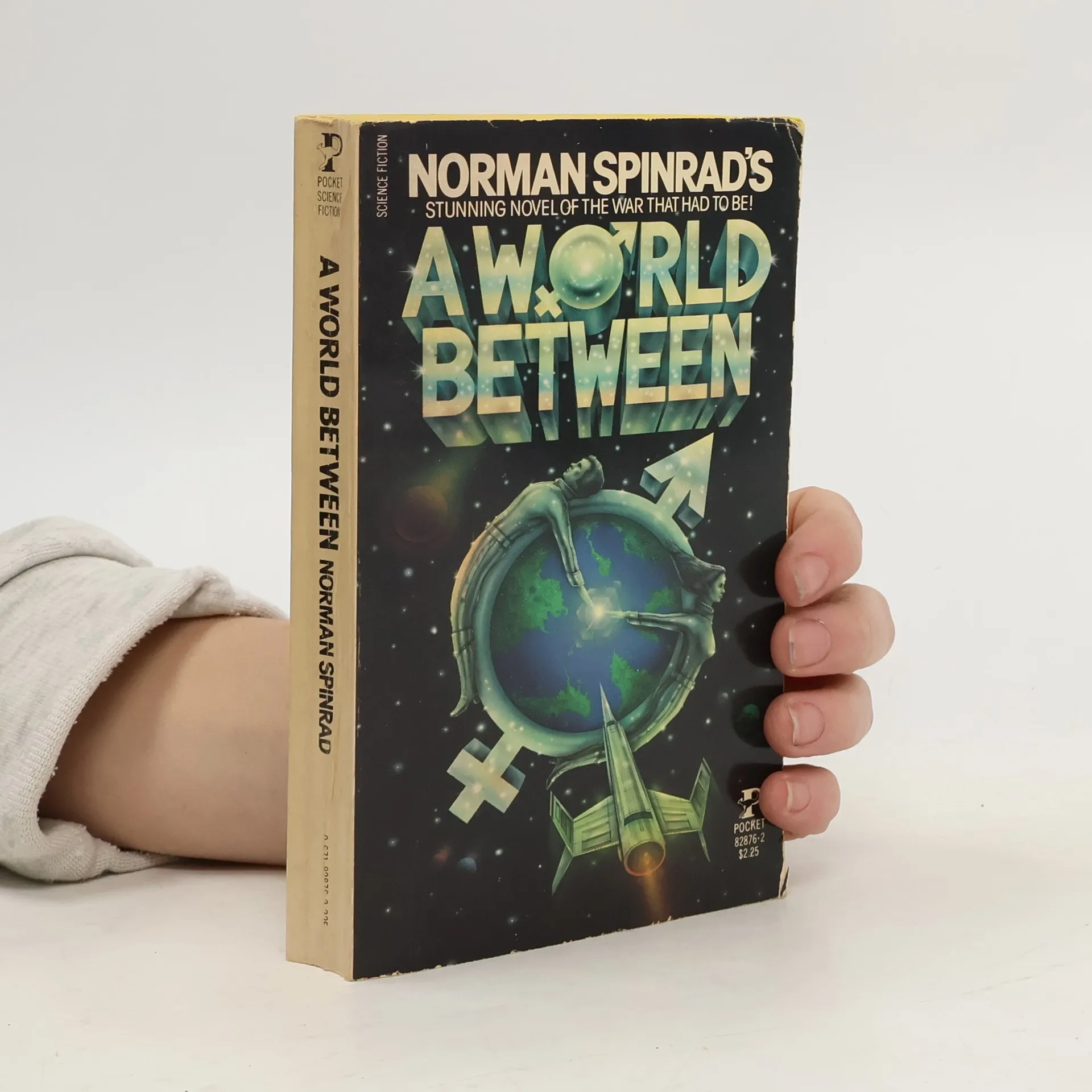
Since its colonization by Earth, Pacifica has flourished. Now, under the guidance of Chairman Carlotta Madigan and her lover and Minister of Media, Royce Lindbold, it is the galaxy's supreme electronic democracy, a Utopian world where both sexes equally serve and are served by the Media. But there are those who would have it otherwise, who have come to Pacifica to turn its very freedom into an instrument of its bondage, who have launched a devastating media war on Pacifica to divide... and conquer.
Bob was the happiest man in the world. His wife was dead, and no one suspected him of the murder. His mother-in-law was dying, and would probably leave him an inheritance. With both of them gone, Bob could live the good life. But then Bob's wife came back from the grave . . . and she brought her mother with her.
A novel that follows a former British secret agent who has quit the force, only to find himself trapped in an anonymous place called the Village; known only as 'Number 6', he struggles to maintain his identity in the face of the nameless powers-that-be, who use increasingly sophisticated and terrifying methods to extract his secrets.
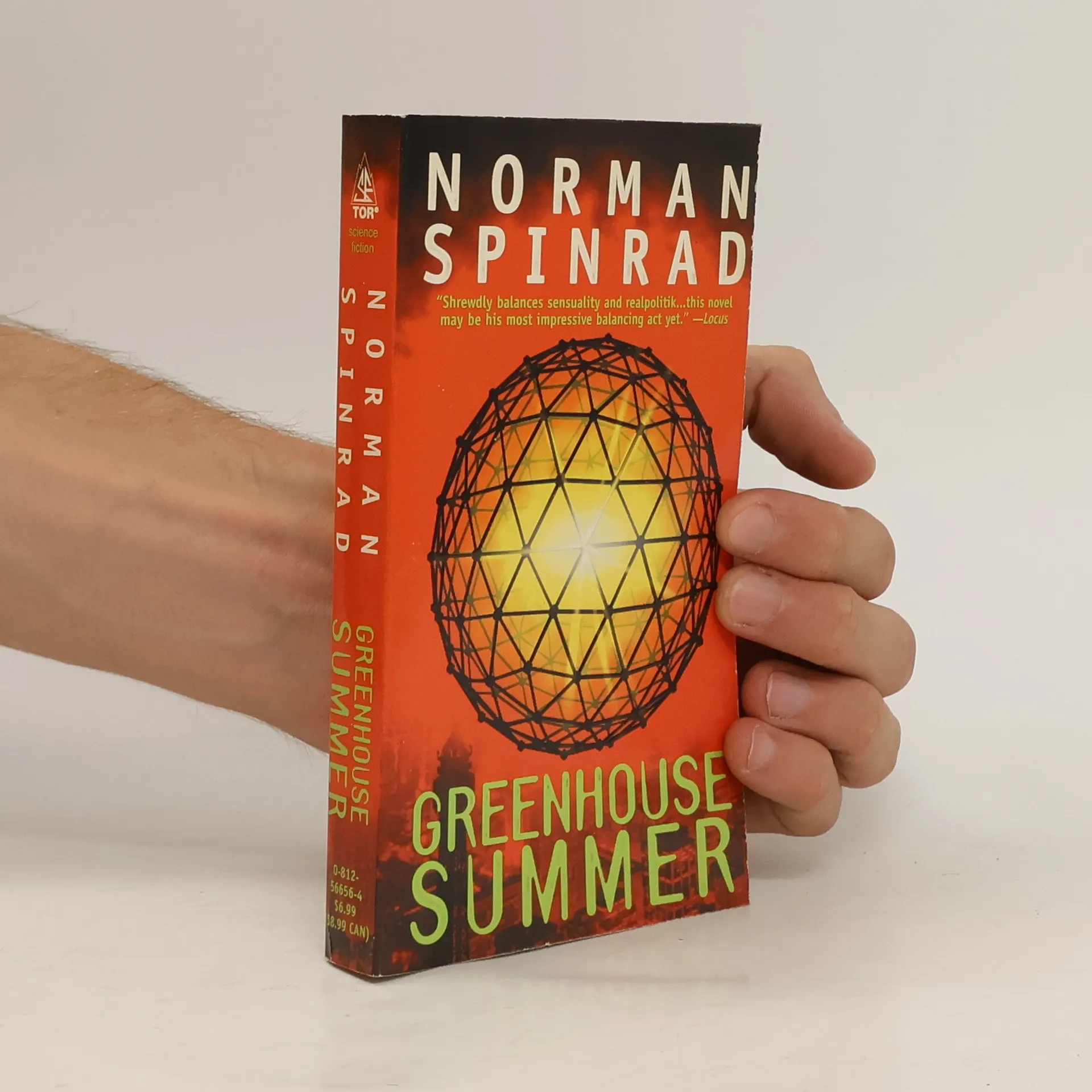
About a hundred years from now, pollution, overpopulation, and ecological disasters have left the rich nations still rich, and the poor nations--the Lands of the Lost--slowly strangling in drought and pollution. New York City is below sea level, surrounded by a seawall. The climate in Paris is much like the twentieth-century climate of long-drowned New Orleans. And Siberia, Golden Siberia, is the crop-land of the world.Still, for the international corporations and businesses who make a profit on technofixing the environment--the Big Blue Machine--it is business as sell what you can where you can whenever you can. It is better to be rich. But it all may be coming to a terrible a scientist has predicted Condition Venus, the sudden greenhouse downfall of the entire planet--but she can't say when.So now the attention of the world is focused for a week on a UN conference on the Environment in Paris, where all hell is about to break loose.
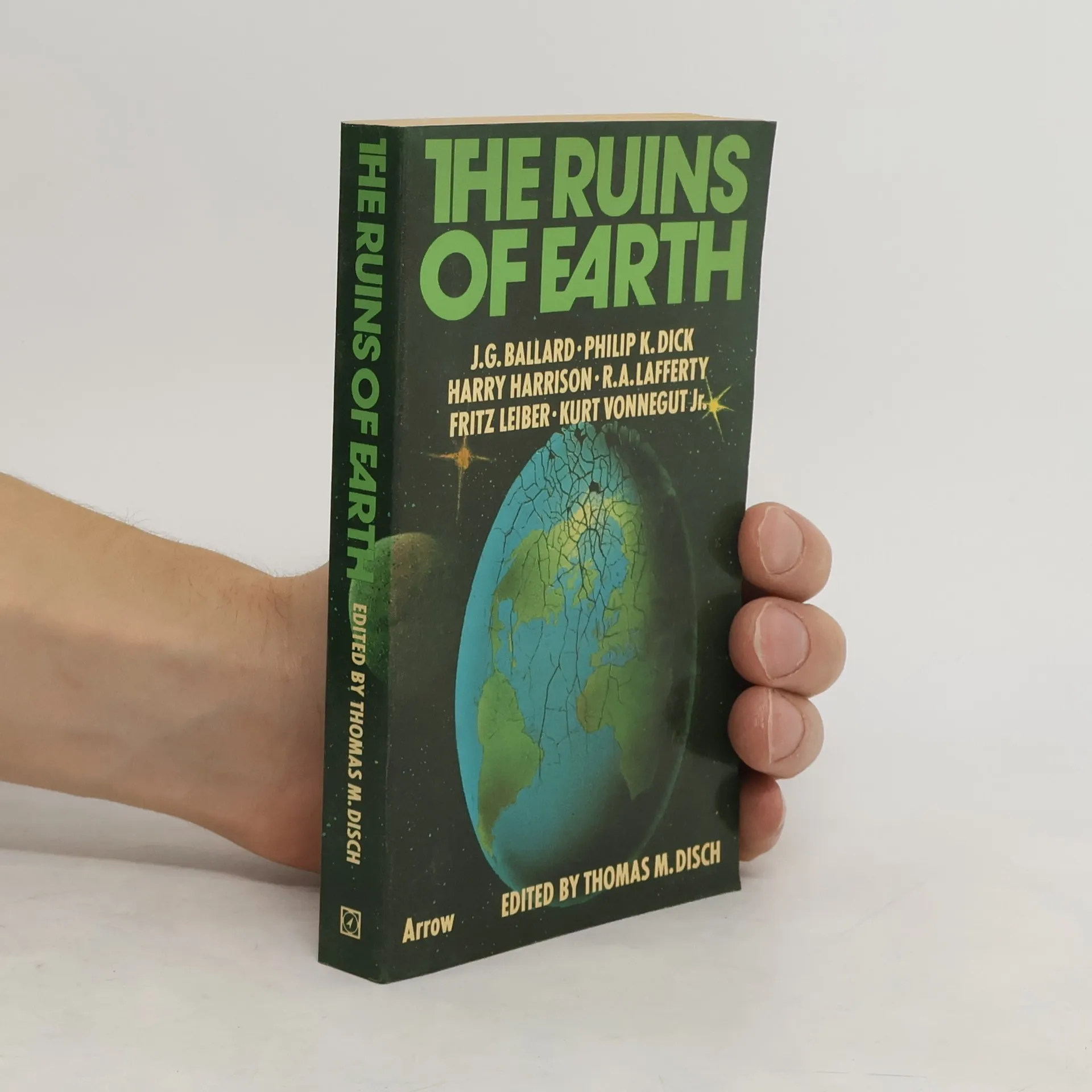
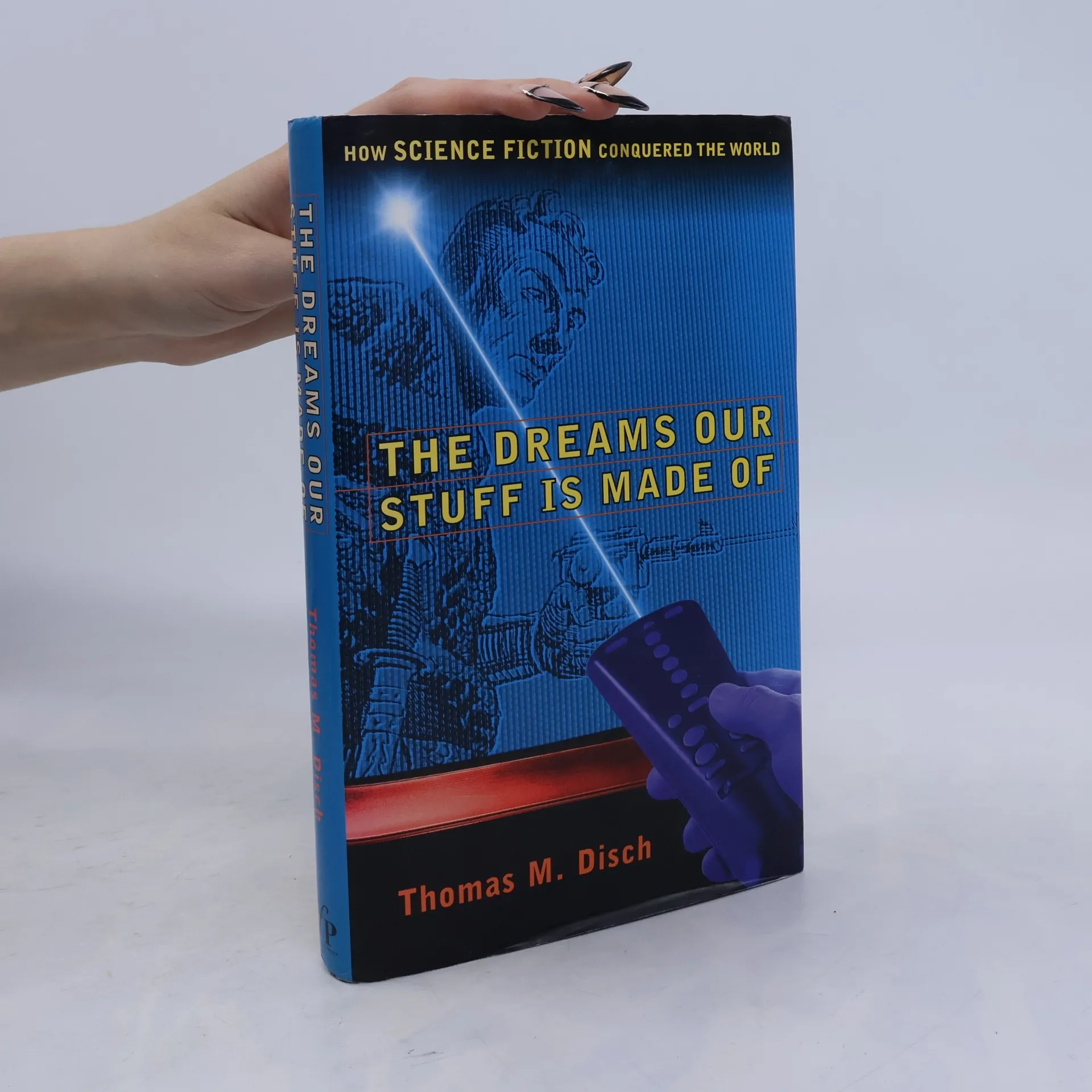
In The Dreams Our Stuff Is Made Of, Thomas Disch redefines science fiction as a significant literary genre with cultural weight, much like he did for poetry in The Castle of Indolence. He approaches it as serious literature rather than a mere playground for dreamers, offering insights from his experience as a writer to distinguish quality works from lesser ones. Disch begins with Edgar Allan Poe and presents science fiction as a reflection of America's culture of deception. He critiques various figures and phenomena, from Whitley Strieber's alien abduction tales to John Norman's sadomasochistic fantasies, and the appropriation of cyberpunk by avant-garde academics. Disch does not shy away from criticizing ideologies that compromise good writing, targeting both feminist utopias and conservative militaristic narratives. Even Robert Heinlein, a revered Grand Master, faces scrutiny for his sexism, racism, and solipsism, particularly in his later works. Disch expresses admiration for Philip K. Dick, the British New Wave writers like J. G. Ballard and Michael Moorcock, and Joe Haldeman's The Forever War, which he argues deserves a Pulitzer. Whether confirming suspicions or provoking outrage, this book guarantees an engaging read.
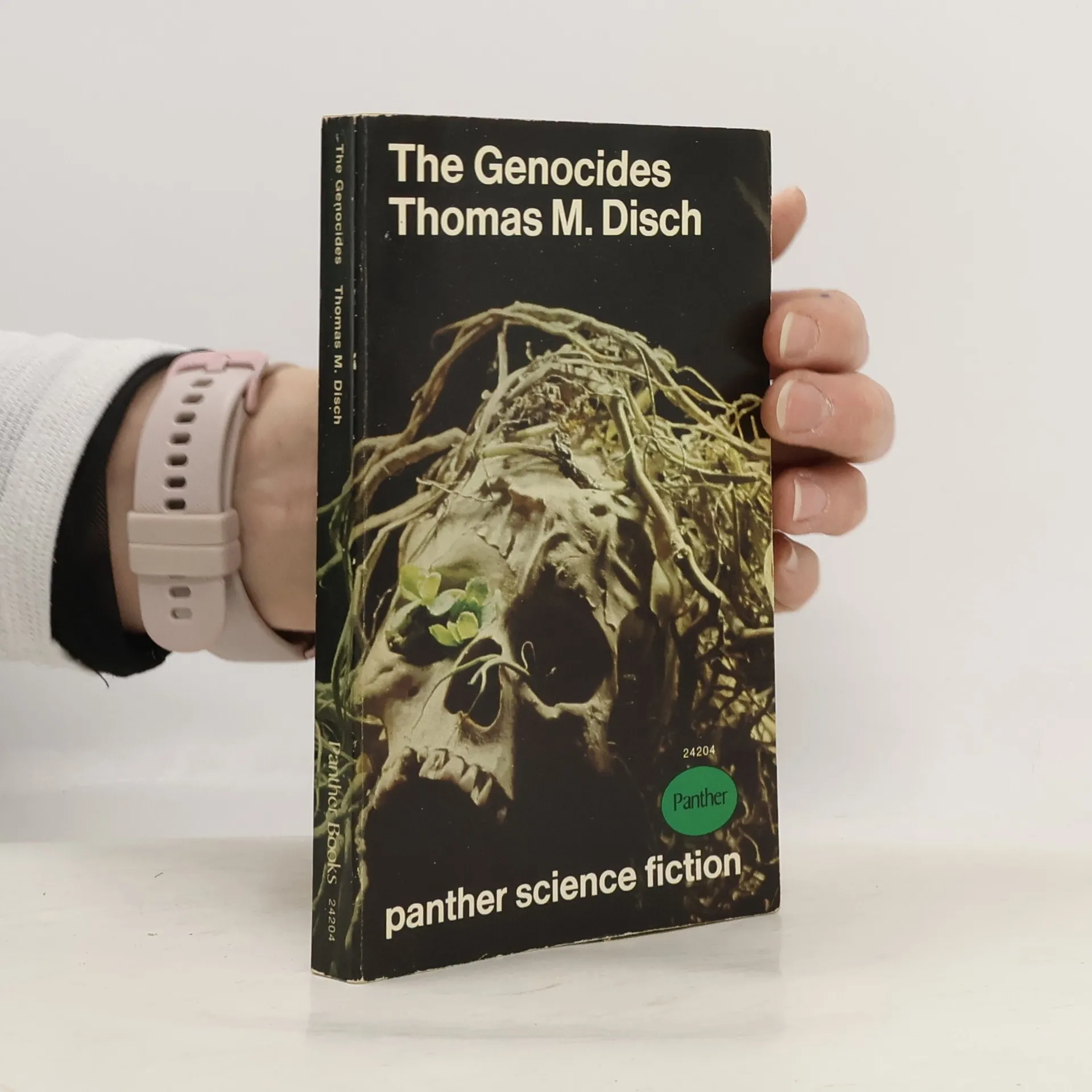
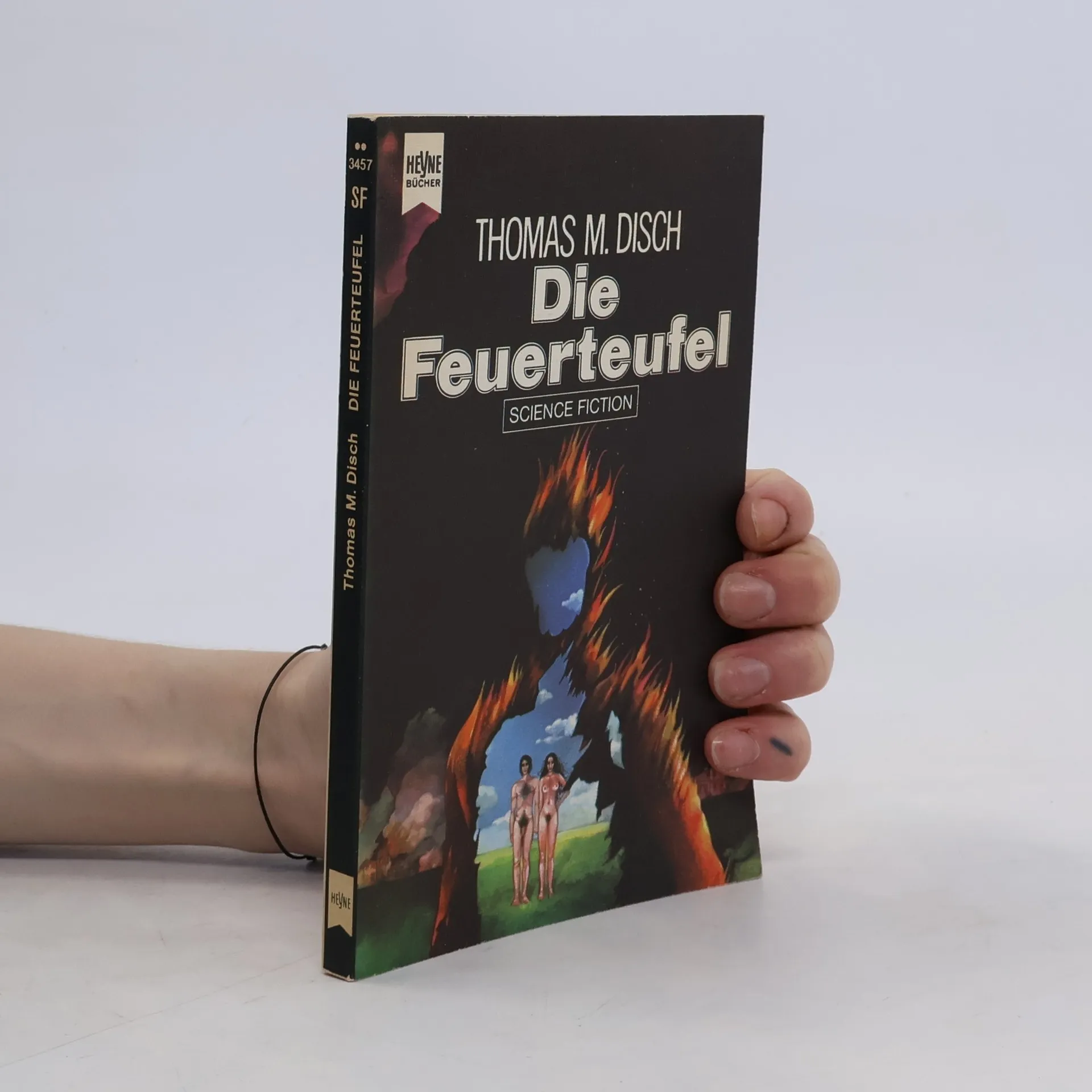
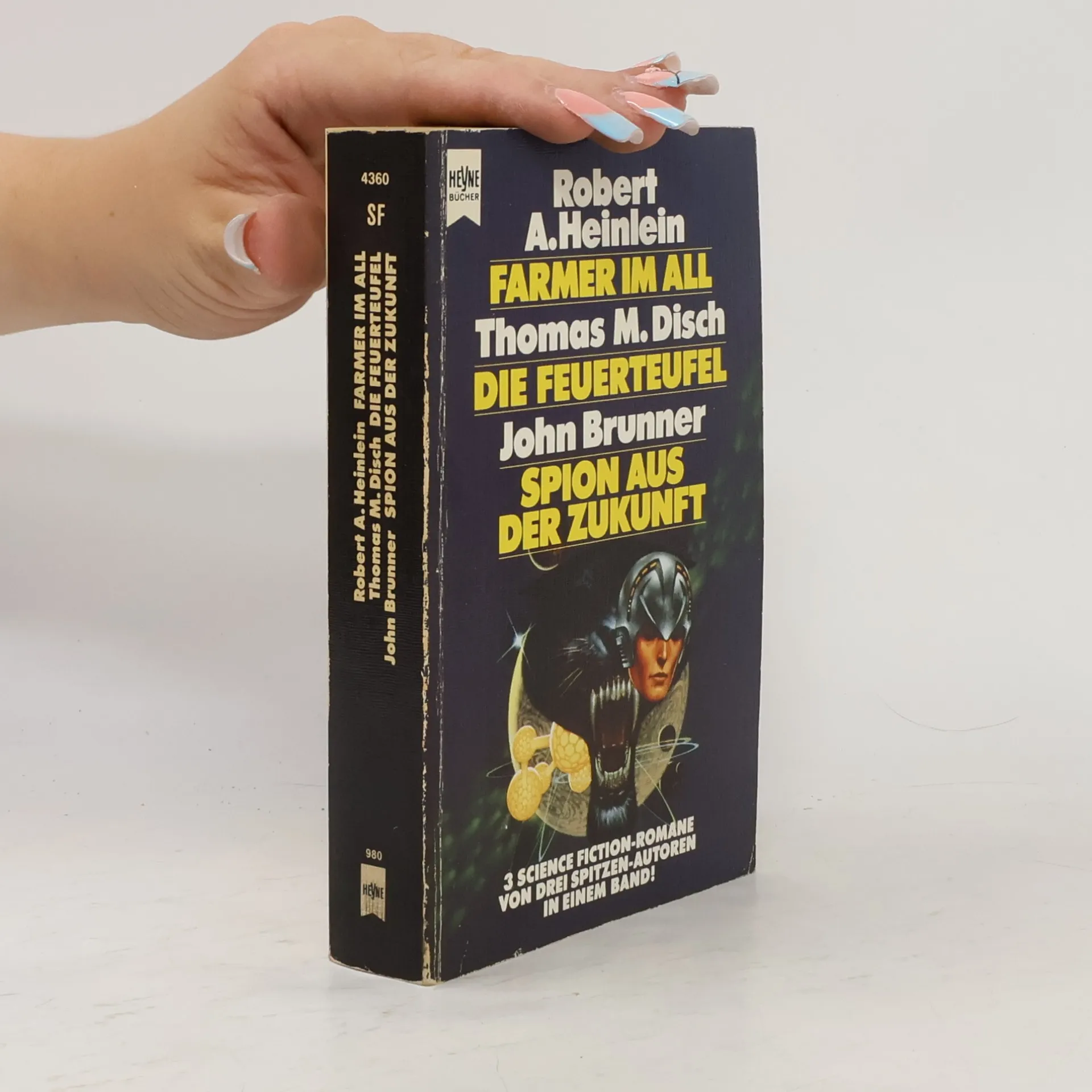
Die Sporen kamen unbemerkt mit dem Regen, und innerhalb weniger Wochen sind die Landflächen der Erde von Schößlingen einer phantastischen Pflanze bedeckt, die durch ihr phänomenales Wachstum und ihre unglaubliche Anpassungsfähigkeit alle irdische Vegetation erstickt. Die Nahrungsmittel werden knapp, die Siedlungsgebiete überwuchert, die Verkehrswege abgeschnitten. Die Erde verwandelt sich in ein riesiges Anbaugebiet, das von extraterrestrischen Farmern "bewirtschaftet" wird, gegen die sich die technischen Hilfsmittel und Abwehrmaßnahmen der Regierungen als völlig unzureichend erweisen. Und dann kommen die Feuerteufel, Automaten, die Tod und Vernichtung säen, alle menschllchen Ansiedlungen niederbrennen, um die "Schädlinge", die Uberlebenden, die sich vor dem Ansturm der Invasion in die Städte geflüchtet haben, grausam auszurotten. Die Situation der Menschen wird immer verzweifelter. Jeder zivilisatorischen Basis beraubt, töten sie sich gegenseitig, kämpfen sie um die letzten Schlupfwinkel, ums nackte Leben, sinken ab auf eine Kulturstufe, auf der von Kultur keine Rede mehr sein kann, steigen hinab durch die Hohlwurzeln der Pflanzen in die Tiefen der Erde. Und dann kommt der Tag der Ernte ...
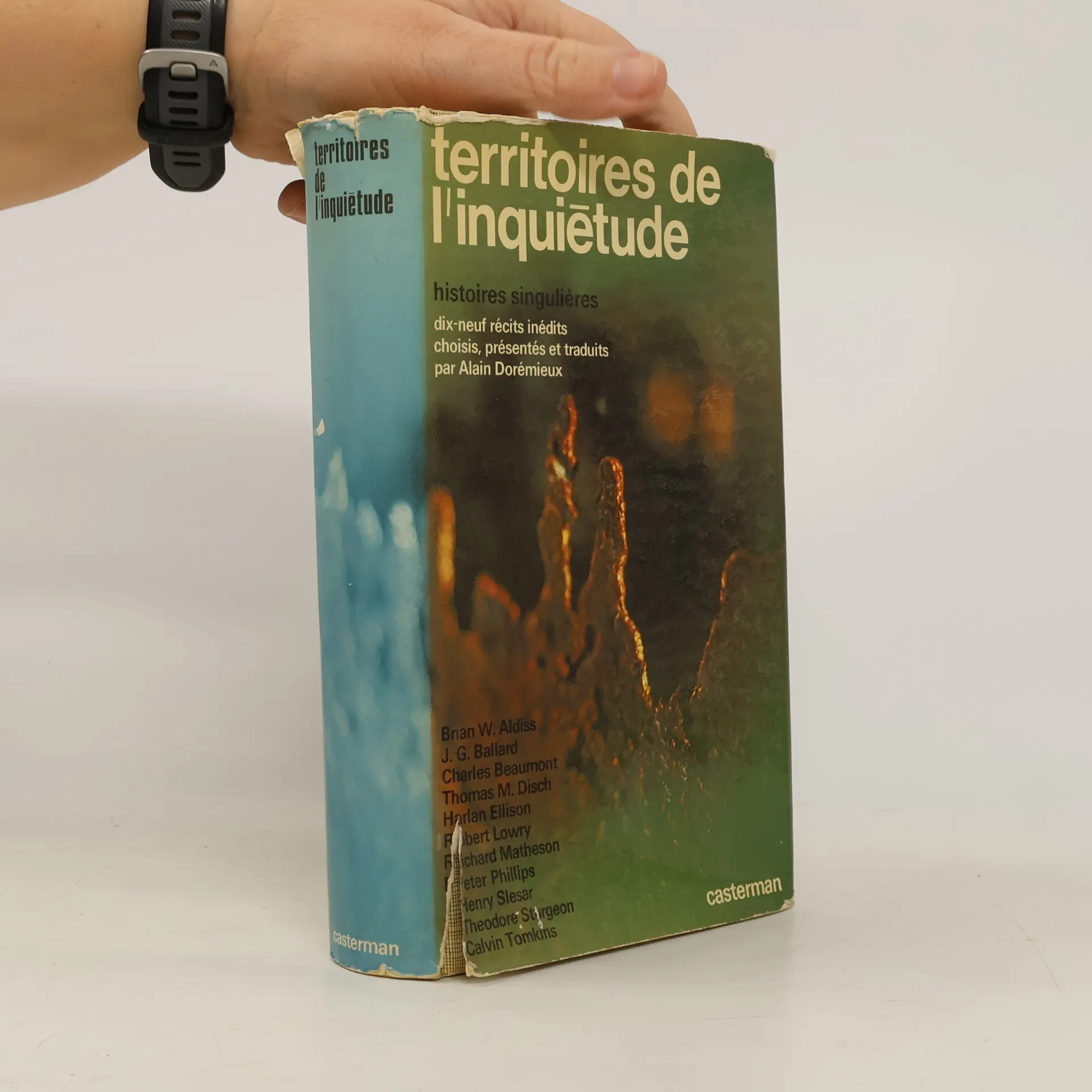
histoires singulières
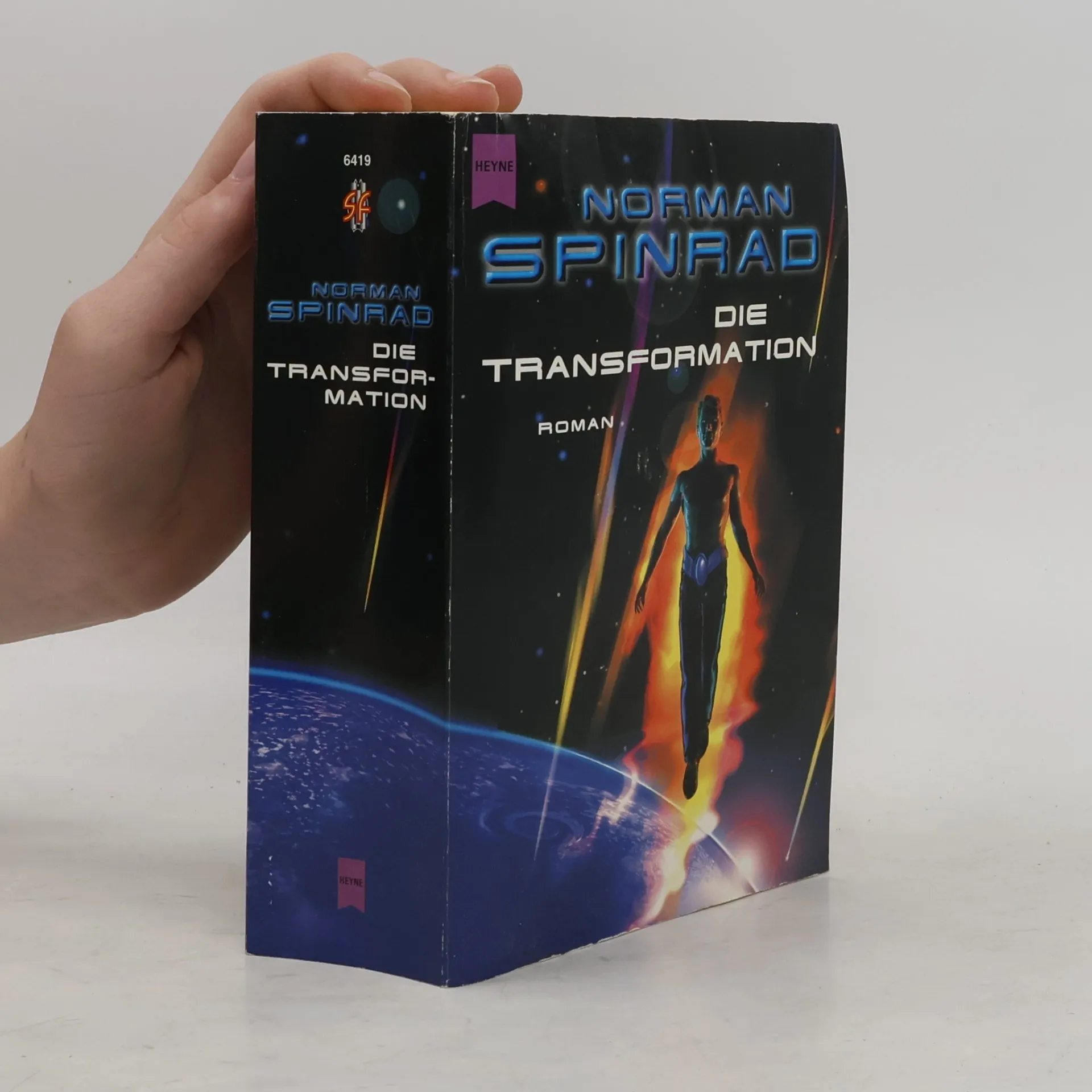
Im Westen der USA erscheint ein Mann, der behauptet, aus der Zukunft zu kommen. In wütenden Tiraden kritisiert er die Menschheit für ihre Gleichgültigkeit und prophezeit eine transformative Veränderung. Ist er ein verrückter Sektenführer, ein zynischer Komiker oder ein neuer Messias? Norman Spinrad, ein bedeutender Science-Fiction-Autor seit den 70er Jahren, erregte mit seinen satirischen Romanen Aufsehen. In diesem Werk wird die Science-Fiction-Szene selbst zum Ziel seiner Ironie, wobei weder Fans noch Autoren verschont bleiben. Der ambitionierte Autor Dexter Lampkin erlebt mit seinem Debütroman gleichzeitig seinen größten Erfolg, was ihm eine treue Fangemeinde einbringt. Um finanziell über die Runden zu kommen, nimmt er auch ungewöhnliche Aufträge an. Eines Tages wird er von dem zwielichtigen Agenten Texas Jimmy Balaban angesprochen, der Dexter beauftragt, ein Konzept für eine Fernsehshow zu entwickeln. Im Mittelpunkt steht der Komiker Ralf, der behauptet, aus der Zukunft zu stammen und die Menschen des 21. Jahrhunderts verspottet. Dexter ist von Ralfs Auftritten begeistert und beginnt, dessen Witze zu erweitern. Doch bald fragt er sich, ob Ralfs Darbietungen nicht doch einen Funken Wahrheit enthalten. Spinrads komplexe Erzählung verwebt mehrere Handlungsstränge und bietet eine scharfsinnige Satire auf die moderne Medienzivilisation und ihre Gurus.