

Více o knize
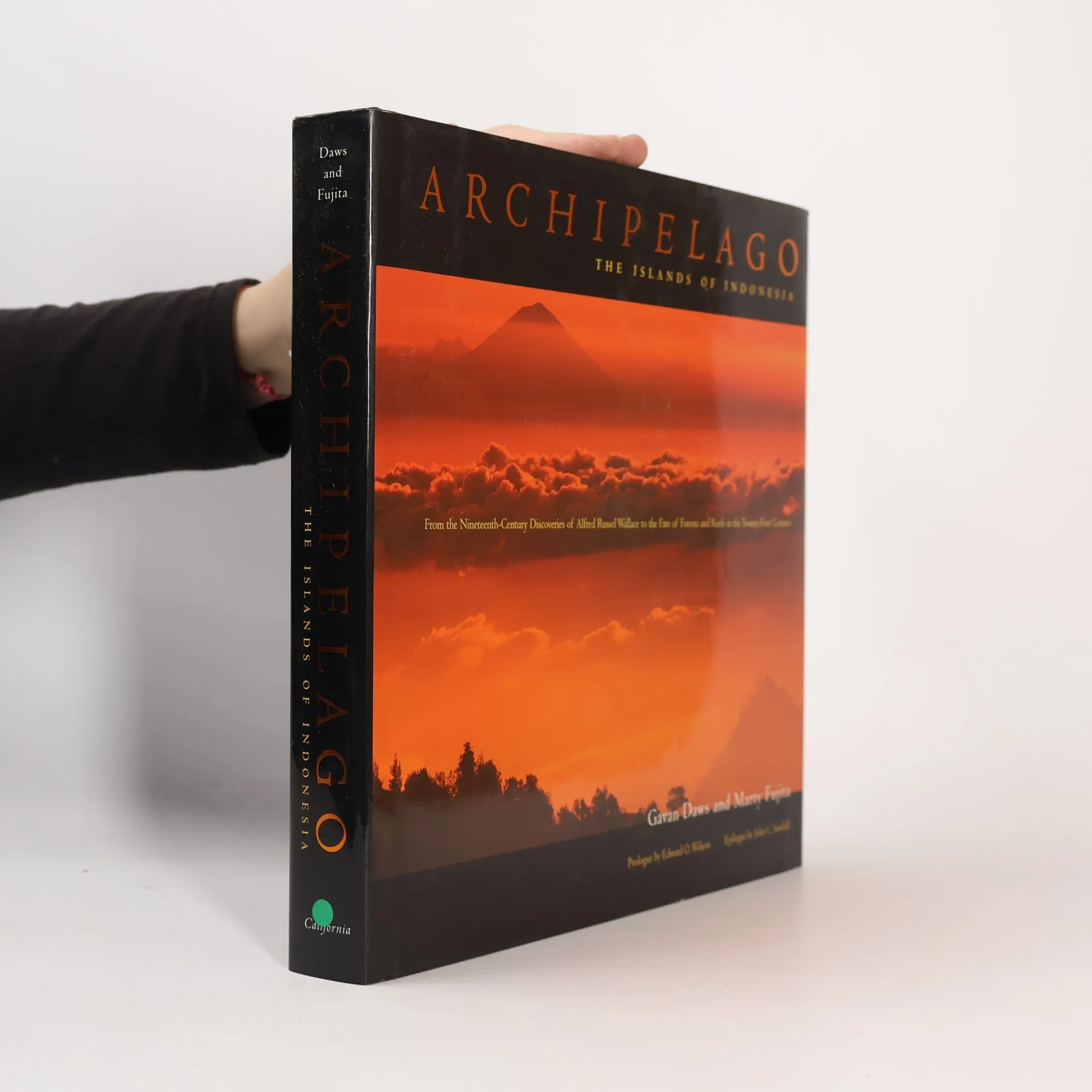
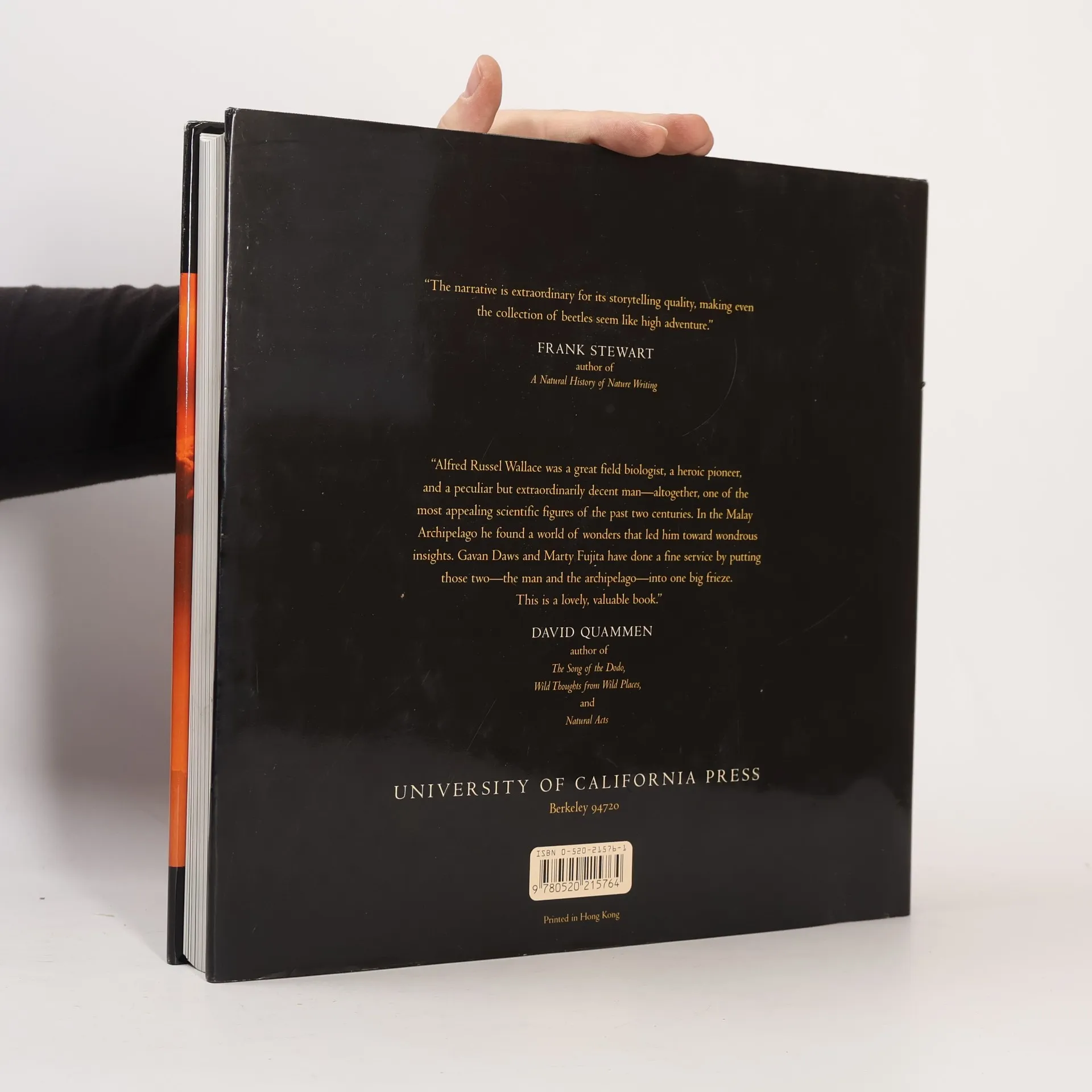
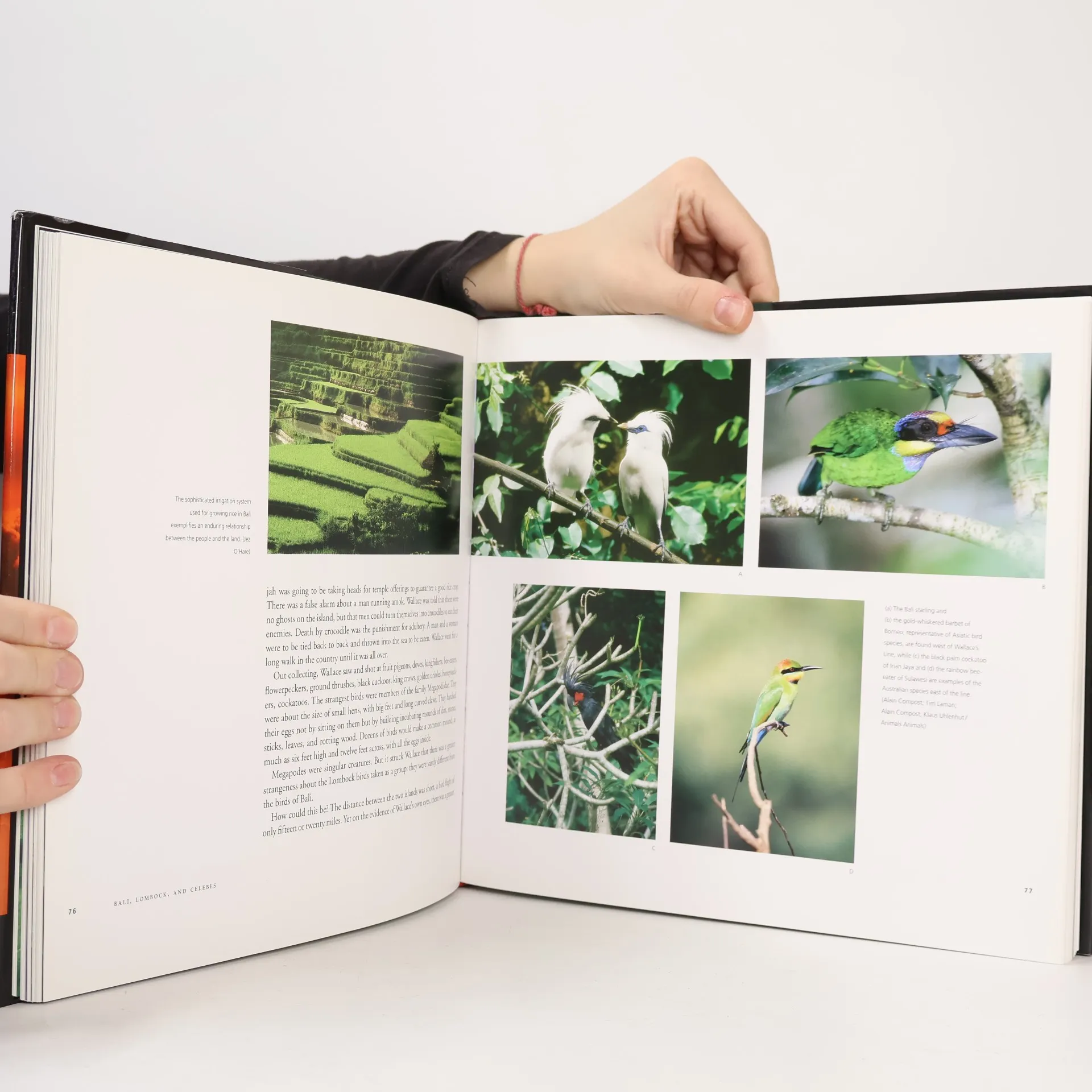
The Indonesian archipelago is a land of timeless natural beauty that in the twenty-first century faces unprecedented environmental degradation. It was also the biological laboratory of Alfred Russel Wallace, who, working independently of Charles Darwin, discovered the theory of evolution by natural selection.Wallace, who traveled for eight years in the archipelago, was one of the greatest field naturalists and nature writers of his century. No one was more skilled in observing and describing living things. A prodigious collector, he was the first to bring living birds of paradise to the West. And he was a great thinker, a theorist as formidable as any on earth. This magnificent account of a true explorer sweeps from the time of Wallace's nineteenth-century discoveries in biogeography to the looming biodiversity crisis of the twenty-first century—from the exploration of natural wonders to the exploitation of natural resources. The result is a history that powerfully portrays the intricate connections of human life and natural life.This unique story, published by the University of California Press in cooperation with The Nature Conservancy, is resplendently presented with maps, archival materials, and more than 200 color photographs. A portion of the proceeds from this book will go toward conservation efforts in Indonesia
Nákup knihy
Archipelago - The Islands of Indonesia, John C. Sawhill, Gavan Daws, Marty Fujita, Edward O. Wilson
- Jazyk

- Rok vydání
- 1999
- Vazba
- (pevná)
Doručení
Platební metody
Nikdo zatím neohodnotil.
- Titul
- Archipelago - The Islands of Indonesia
- Podtitul
- From the Nineteenth-Century Discoveries of Alfred Russel Wallace to the Fate of Forests and Reefs in the Twenty-First Century
- Jazyk
- anglicky
- Vydavatel
- University of California Press
- Rok vydání
- 1999
- Vazba
- pevná
- Počet stran
- 266
- ISBN10
- 0520215761
- ISBN13
- 9780520215764
- Série
- Štítky
- Příroda, Věda, USA, 20. století, Odborná literatura, Anglie, Asie, Evoluce, Pozorování přírody, Indonésie, Jihovýchodní Asie
- Anotace
- The Indonesian archipelago is a land of timeless natural beauty that in the twenty-first century faces unprecedented environmental degradation. It was also the biological laboratory of Alfred Russel Wallace, who, working independently of Charles Darwin, discovered the theory of evolution by natural selection.Wallace, who traveled for eight years in the archipelago, was one of the greatest field naturalists and nature writers of his century. No one was more skilled in observing and describing living things. A prodigious collector, he was the first to bring living birds of paradise to the West. And he was a great thinker, a theorist as formidable as any on earth. This magnificent account of a true explorer sweeps from the time of Wallace's nineteenth-century discoveries in biogeography to the looming biodiversity crisis of the twenty-first century—from the exploration of natural wonders to the exploitation of natural resources. The result is a history that powerfully portrays the intricate connections of human life and natural life.This unique story, published by the University of California Press in cooperation with The Nature Conservancy, is resplendently presented with maps, archival materials, and more than 200 color photographs. A portion of the proceeds from this book will go toward conservation efforts in Indonesia