

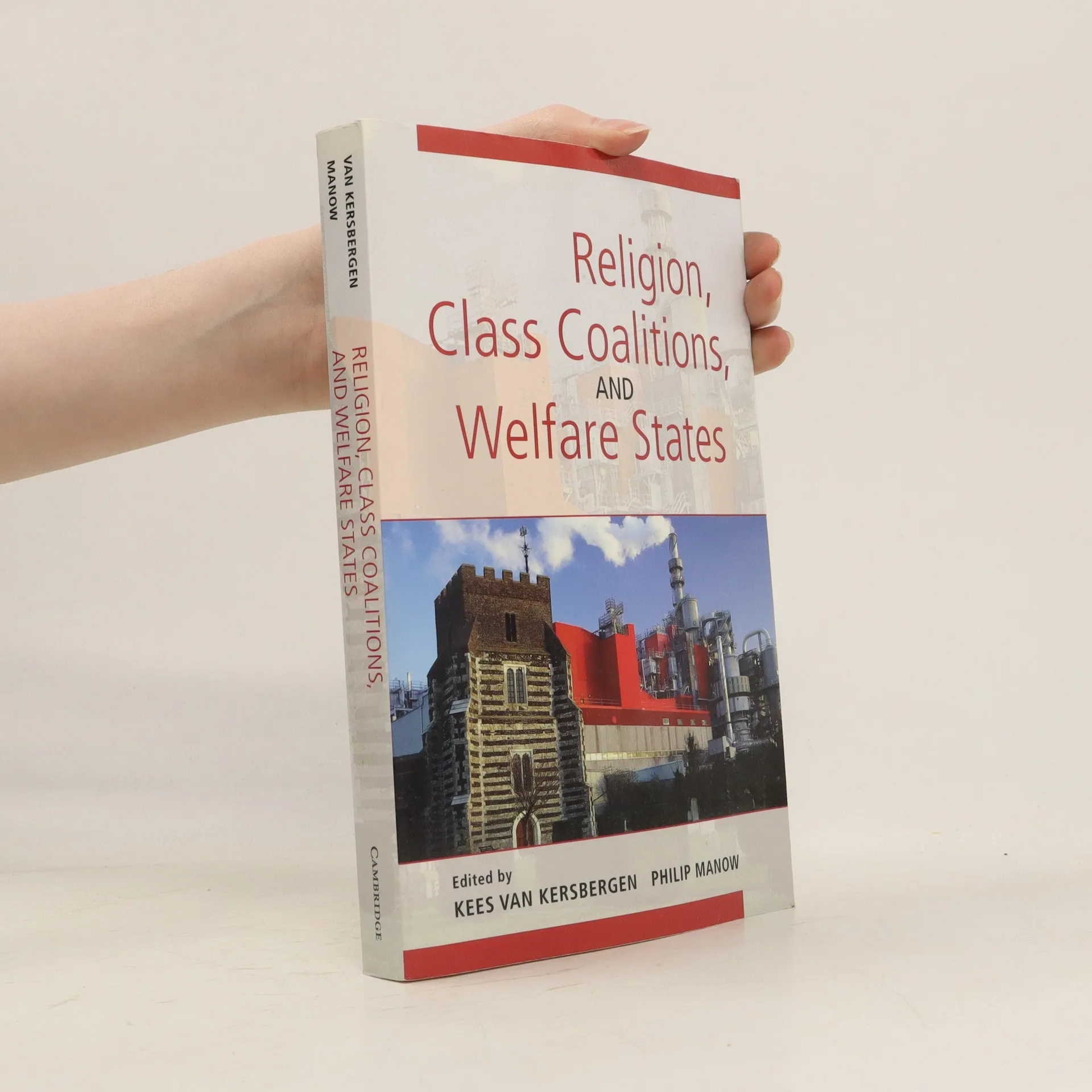
This book radically revises established knowledge in comparative welfare state studies and introduces a new perspective on how religion shaped modern social protection systems. The interplay of societal cleavage structures and electoral rules produced the different political class coalitions sustaining the three welfare regimes of the Western world. In countries with proportional electoral systems the absence or presence of state–church conflicts decided whether class remained the dominant source of coalition building or whether a political logic not exclusively based on socio-economic interests (e.g. religion) was introduced into politics, particularly social policy. The political class-coalitions in countries with majoritarian systems, on the other hand, allowed only for the residual-liberal welfare state to emerge, as in the US or the UK. This book also reconsiders the role of Protestantism. Reformed Protestantism substantially delayed and restricted modern social policy. The Lutheran state churches positively contributed to the introduction of social protection programs.
Cambridge Studies in Social Theory, Religion and Politics Série
Tato série zkoumá složité a často bouřlivé vztahy mezi náboženstvím a politikou v dnešním světě. Publikuje práce, které se snaží porozumět a vysvětlit dynamické změny odehrávající se na pomezí těchto dvou sfér. Využívá přitom poznatky ze sociální teorie a originální empirické analýzy. Série je určena pro široké publikum se zájmem o hlubší pochopení společenských procesů.

Religious Persecution and Political Order in the United States
- 283 stránek
- 10 hodin čtení
This book explains why the United States, a country that values religious freedom, has persecuted some religious minorities while protecting others.
This book demonstrates that although advanced societies have been moving toward secular orientation, the world has more people with traditional religious views.
Resurrecting Democracy
- 492 stránek
- 18 hodin čtení
This book assesses the construction of citizenship as an identity, a performance, and a shared rationality.