
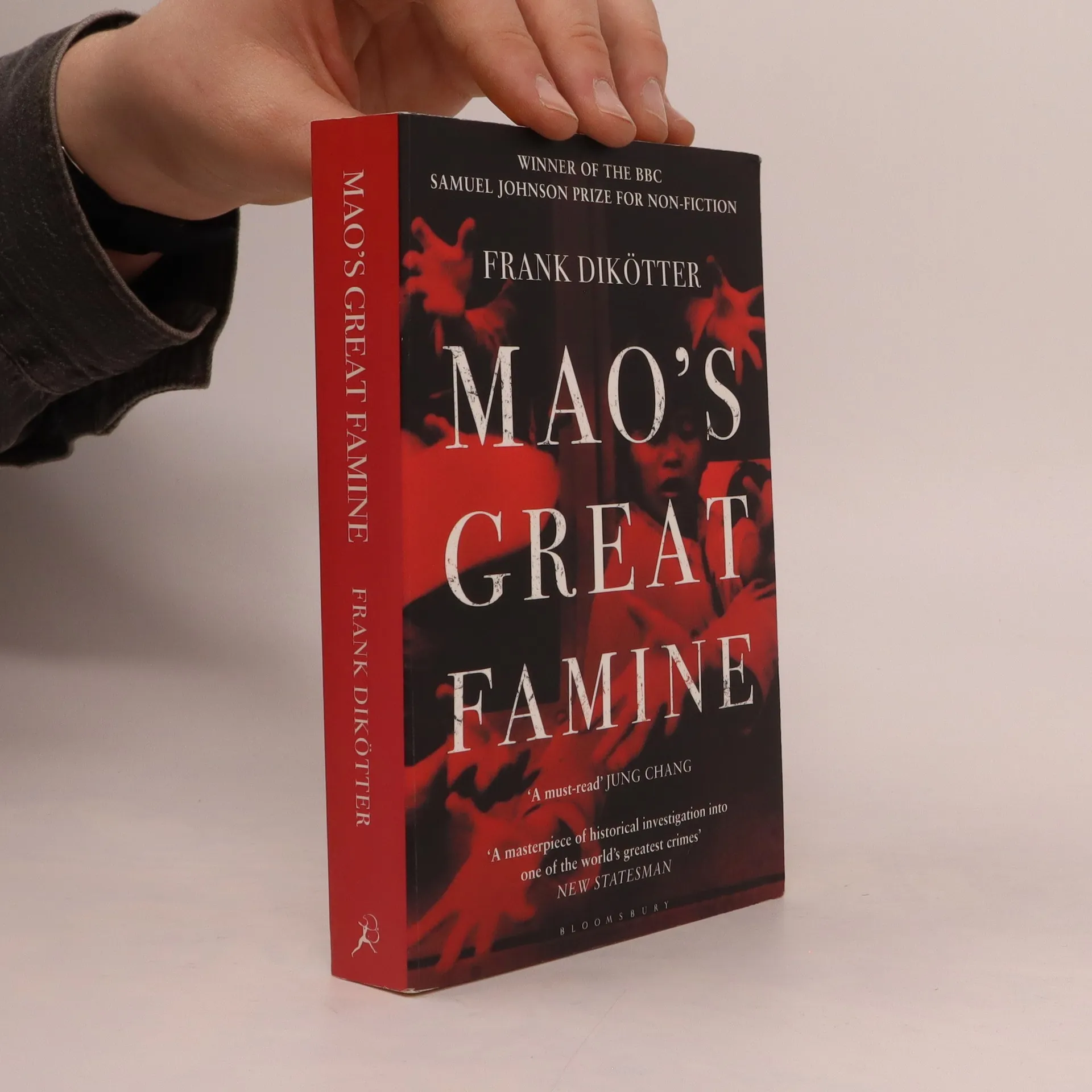
Mao's Great Famine
- 448 stránek
- 16 hodin čtení
'A masterpiece of historical investigation into one of the world's greatest crimes' New Statesman
Tato série se ponořila do temných období moderních dějin, zejména do čínské historie. Zkoumá dopady velkých politických ideologií na životy obyčejných lidí a odhaluje devastaci způsobenou extremistickými režimy. Díla se vyznačují podrobným historickým výzkumem a zdůrazňují potřebu pamatovat na minulost, abychom se vyhnuli jejím nejhorším chybám.


'A masterpiece of historical investigation into one of the world's greatest crimes' New Statesman
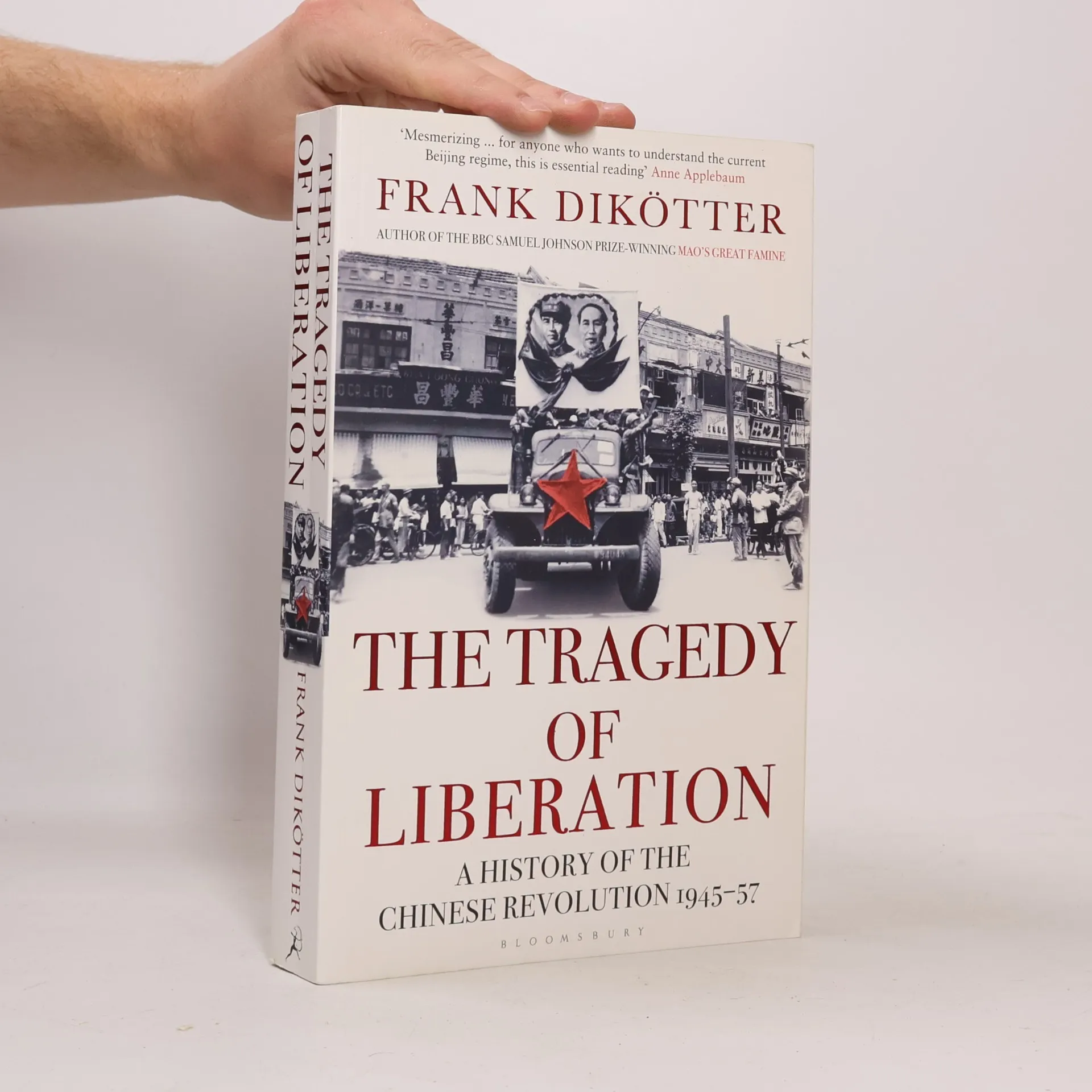
A groundbreaking chronicle of the violent early years of the People’s Republic of China by the author of the BBC Samuel Johnson Prize–winning Mao’s Great Famine.
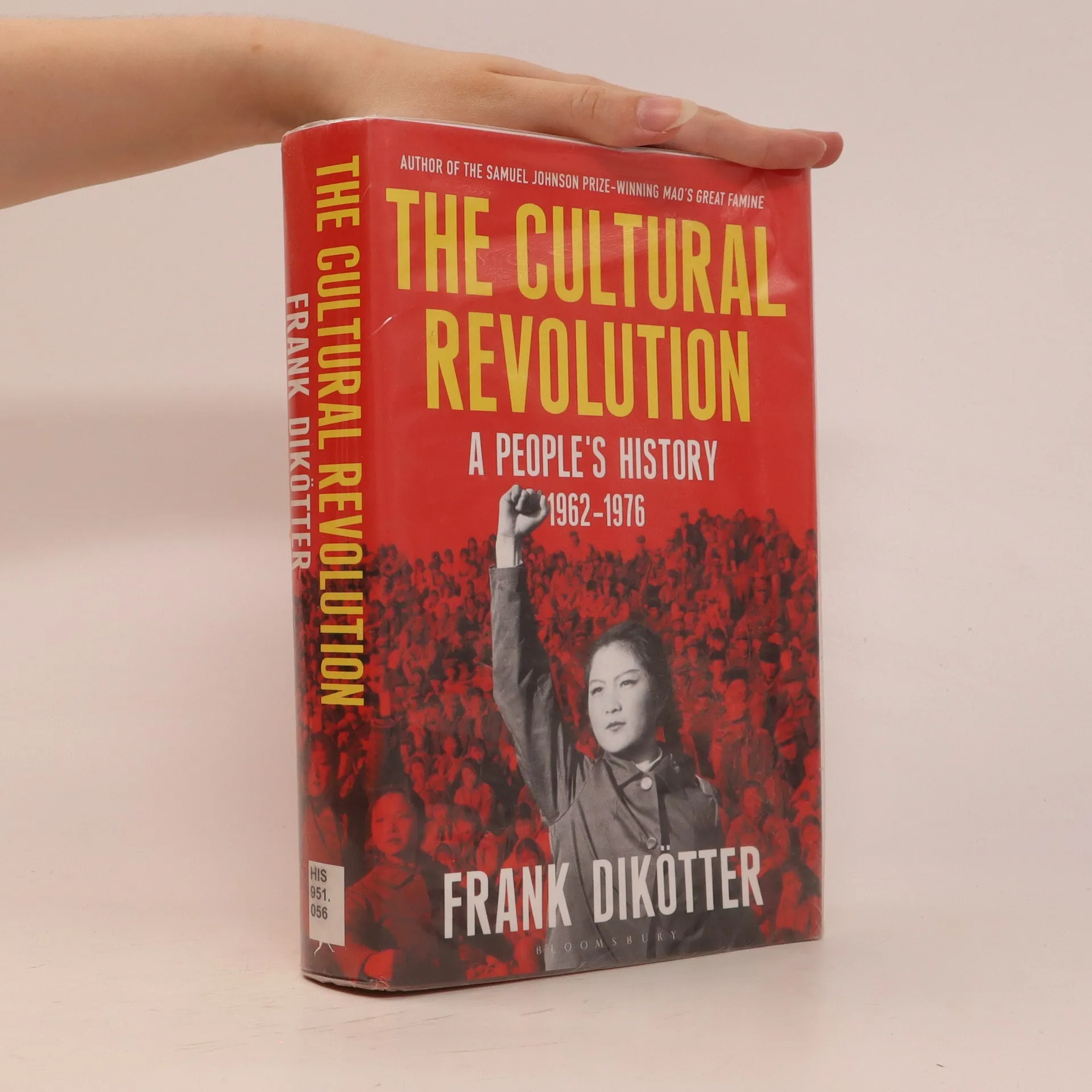
After the Great Leap Forward's devastating economic disaster from 1958 to 1962, an ageing Mao sought to restore his reputation and eliminate perceived threats to his legacy through the Cultural Revolution. Officially aimed at purging bourgeois, capitalist elements, the movement also targeted Mao's own colleagues, subjecting many to public humiliation, imprisonment, and torture. Young students, forming Red Guards, pledged unwavering loyalty to Mao, but soon rival factions clashed violently in the streets over revolutionary purity. As chaos engulfed the nation, the military intervened, establishing a garrison state marked by brutal purges affecting as many as one in fifty people. When the army itself became a target, ordinary citizens exploited the turmoil to challenge the party's ideology, effectively burying Maoism. Through in-depth interviews and archival research, the author reveals the complex choices faced by individuals, contradicting the notion of conformity that often characterizes this era. By illustrating how grassroots decollectivization emerged from a decade of violence and fear, this work offers a fresh perspective on China's most tumultuous period. Utilizing previously classified party documents, it serves as a powerful reassessment of the People's Republic of China’s history.