

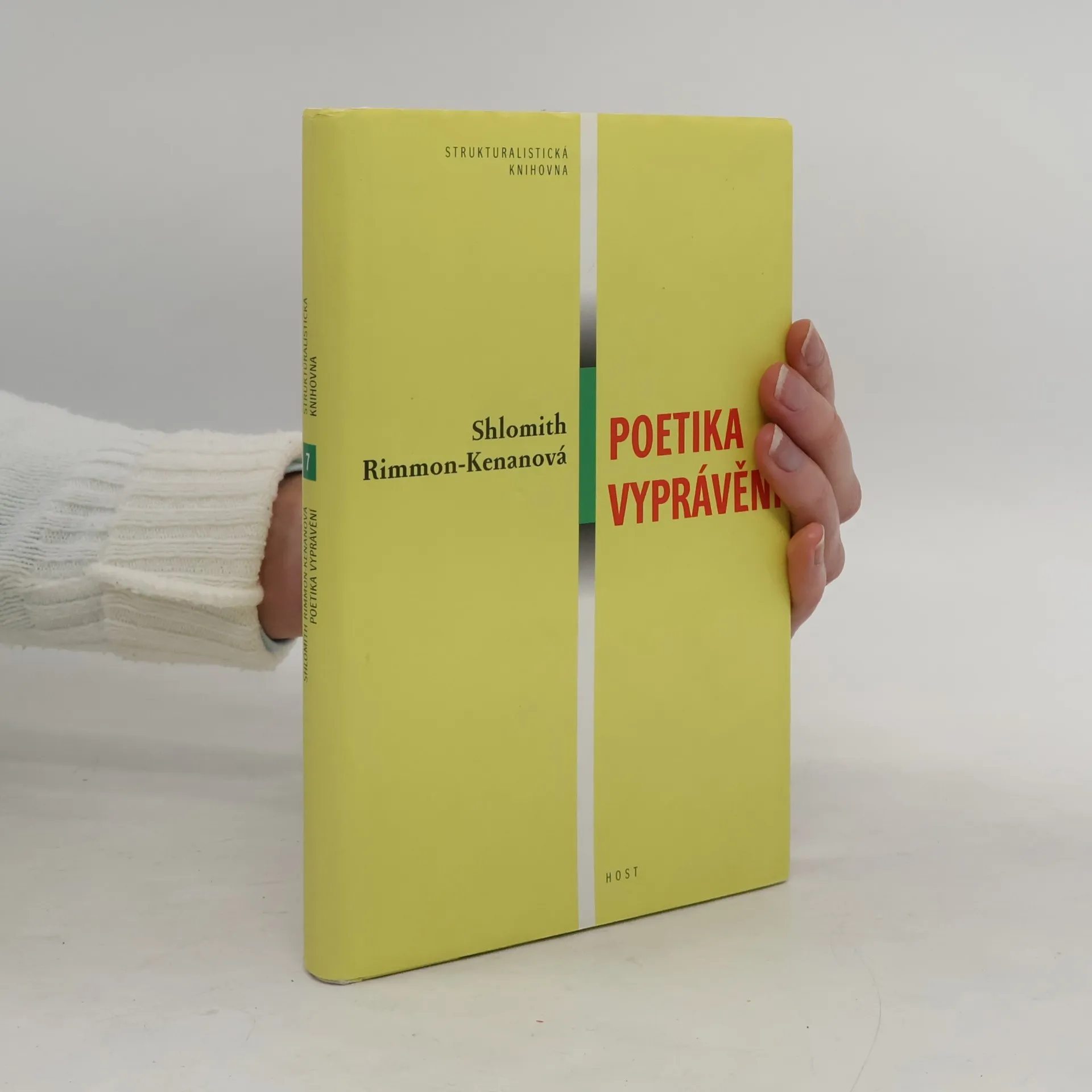
Kniha představuje souhrnný pohled na naratologické teorie dvacátého století do začátku osmdesátých let. Zaměřuje se zejména na teorii ruského formalismu, francouzského strukturalismu, anglo-americké nové kritiky, tel-avivské školy a fenomenologie čtení. Na rozdíl od mnoha jiných publikací neuspořádává kniha S. Rimmonové-Kenanové toto téma chronologicky, ani podle jednotlivých teorií a jejich autorů, nýbrž synchronně okolo jednotlivých naratologických složek jako jsou čas, události, fokalizace, charakterizace, vyprávění, text, čtení apod. Tento přístup umožňuje autorce vnést do knihy i některé vlastní názory a modifikace probíraných teorií. Vedle analýzy a popisu obecného systému, na jehož základě fungují všechny fikční narativy, se autorka zabývá i problematikou studia jednotlivých textů na pozadí tohoto obecného systému.
Nové akcenty Série
Tato série zkoumá současné trendy a inovativní přístupy v literární teorii a kritice. Zaměřuje se na nová témata, metody a perspektivy, které formují akademickou krajinu. Čtenáři se mohou těšit na pronikavé eseje a analýzy, které reflektují nejnovější vývoj v humanitních vědách. Je to ideální zdroj pro studenty, akademiky i každého, kdo se zajímá o teoretické diskuse.


'Moi's detailed and critical discussion of the two main strands in feminist criticism Anglo-American and French] provides us with a basis for advancing the political and theoretical orientation of feminst theory.' - Mahnaz Koosha Mohseni
The book offers tools and techniques for viewers to critically analyze television programs and the cultural context behind them. It empowers readers to delve deeper into media content, fostering a greater understanding of the societal influences that shape television. By engaging with the material, anyone with a TV can gain insights into both the programming and the broader cultural narratives it reflects.
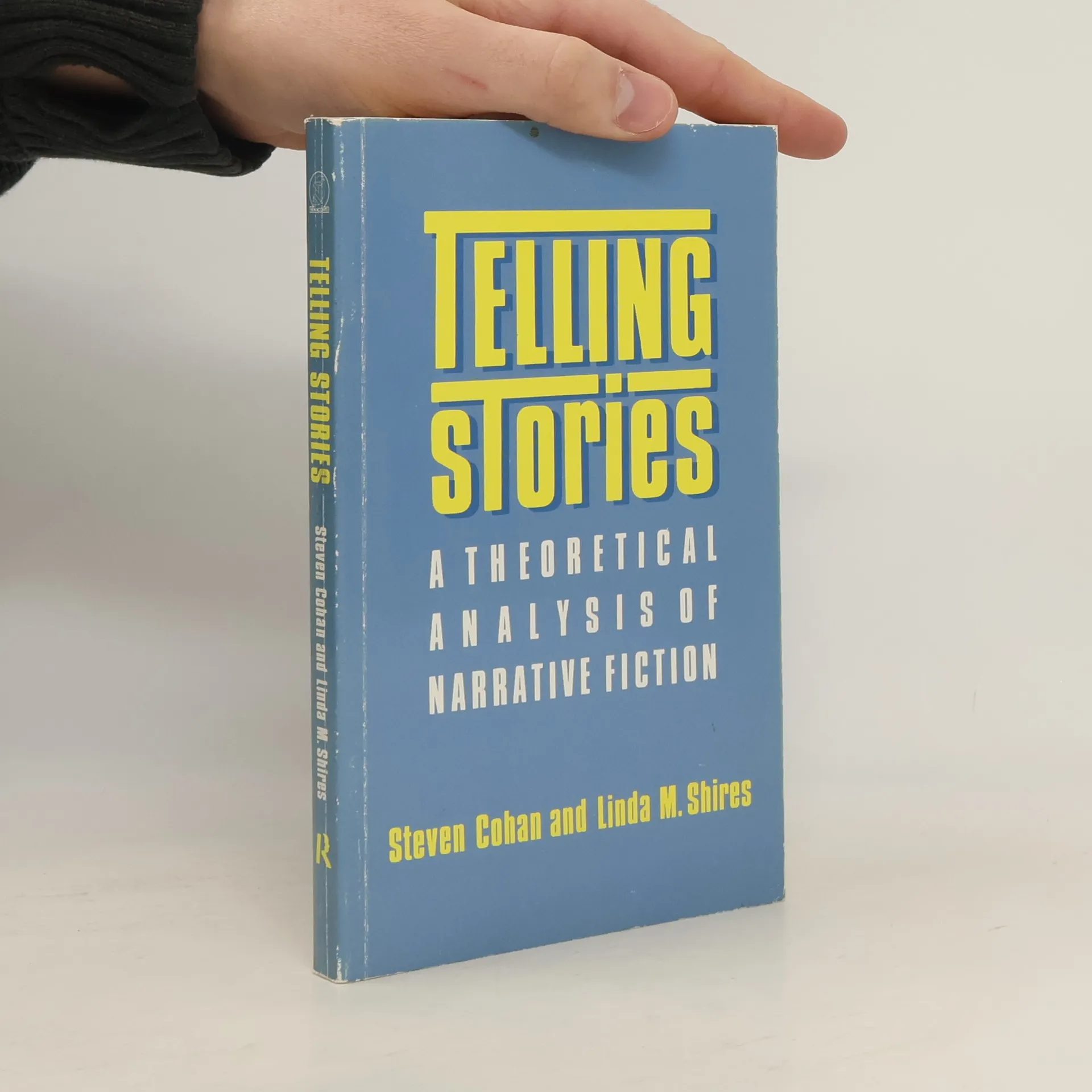
Telling Stories overturns traditional definitions of narrative by arguing that any story, whether a Bette Davis film, a jeans ad, a Jane Austen novel or a 'Cathy' comic, must be related to larger cultural networks. The authors show how meanings and subjectivity do not exist in isolation, but are manufactured by the narratives our culture reads and watches every day. They call for a critical practice that, through the fracturing of texts, can alter the grounds of knowledge and interpretation. This timely study will interest critics of narrative and culture, as well as students wanting to extend post-Saussurean theories to poopular and canonical cultures, and to the dynamics of story-telling itself.