

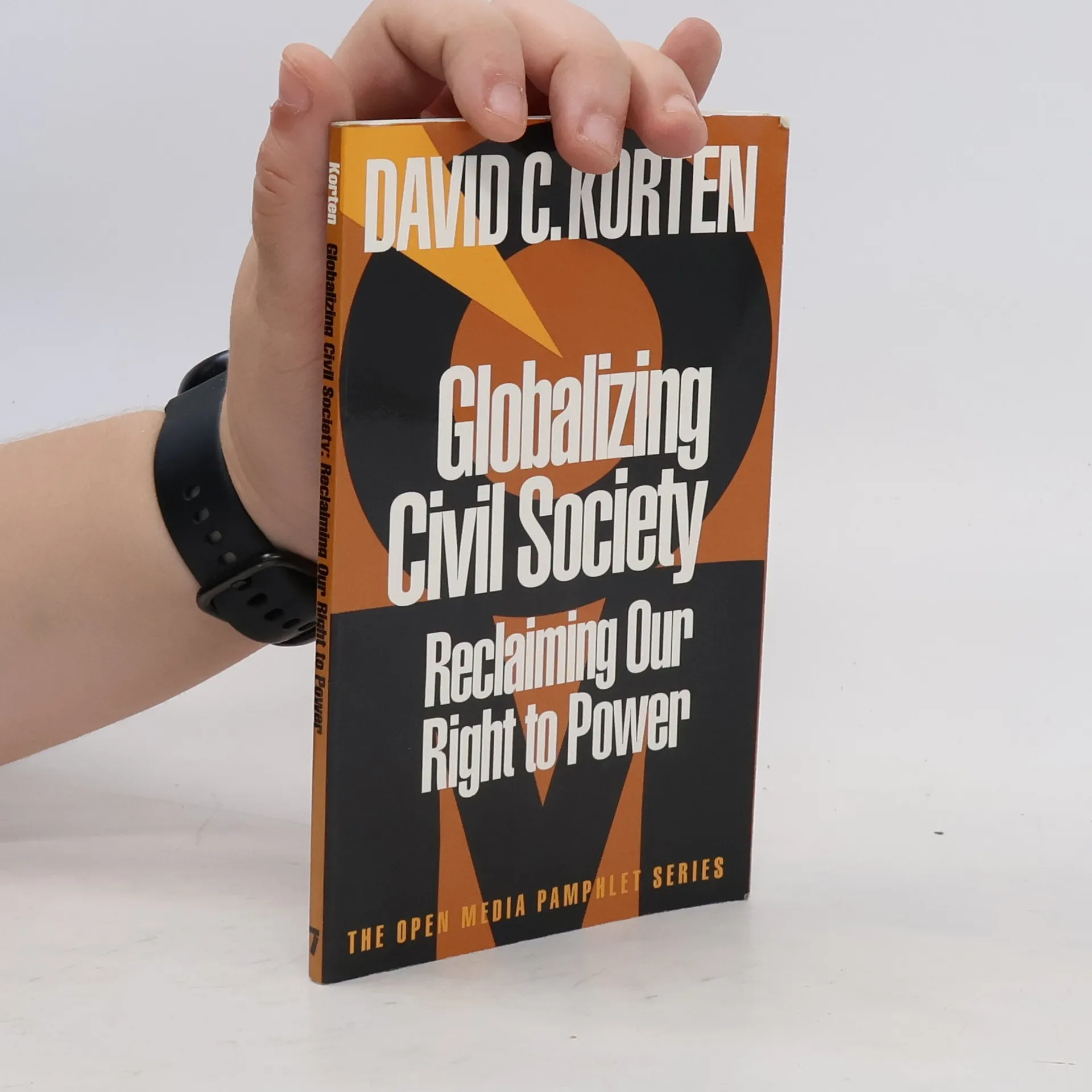


Tato série zkoumá fascinující svět otevřených médií a digitální kultury. Zkoumá dopady internetu na společnost, politiku a umění. Nabízí hluboký vhled do toho, jak technologie mění způsob, jakým komunikujeme a sdílíme informace. Je to zásadní čtení pro každého, koho zajímá budoucnost médií.
Focusing on the pressing global issues highlighted by the 1998 UN Conference on Human Settlements, the book critiques governments for neglecting critical problems like hunger, housing shortages, and environmental degradation. It delves into the root causes of these crises and presents innovative solutions centered on sustainability, community, and equity, advocating for principles essential to securing a healthier future for humanity.
Focusing on corporate accountability, Ralph Nader presents compelling testimony on how corporations exploit consumers and undermine public interests. He outlines the systemic issues that allow these practices to thrive and offers actionable solutions for individuals to combat corporate greed. This pamphlet serves as a call to arms, encouraging readers to take a stand against corporate malfeasance.
Автор считает одинаково регрессивными идеологии государственного социализма и государственного капитализма, а государство будущего связывает с развитием либертарианства как логического продолжения идей классического либерализма. Для специалистов
In this classic talk delivered at the Poetry Center, New York, on February 16, 1970, Noam Chomsky articulates a clear, uncompromising vision of social change. Chomsky contrasts the classical liberal, libertarian socialist, state socialist, and state capitalist world views and then defends a libertarian socialist vision as "the proper and natural extension . . . of classical liberalism into the era of advanced industrial society."In his stirring conclusion Chomsky argues, "We have today the technical and material resources to meet man’s animal needs.We have not developed the cultural and moral resources or the democratic forms of social organization that make possible the humane and rational use of our material wealth and power.Conceivably, the classical liberal ideals as expressed and developed in their libertarian socialist form are achievable. But if so, only by a popular revolutionary movement, rooted in wide strata of the population and committed to the elimination of repressive and authoritarian institutions, state and private. To create such a movement is a challenge we face and must meet if there is to be an escape from contemporary barbarism."