Tato série se odvážně pouští do kontroverzních témat a zpochybňuje zavedené názory v oblastech jako historie, věda a kultura. S humorem a ironií rozebírá běžně přijímané narativy a nabízí alternativní pohledy. Čtenáři zde najdou provokativní eseje, které podněcují k zamyšlení a nabízejí osvěžující perspektivu na klíčové společenské otázky.
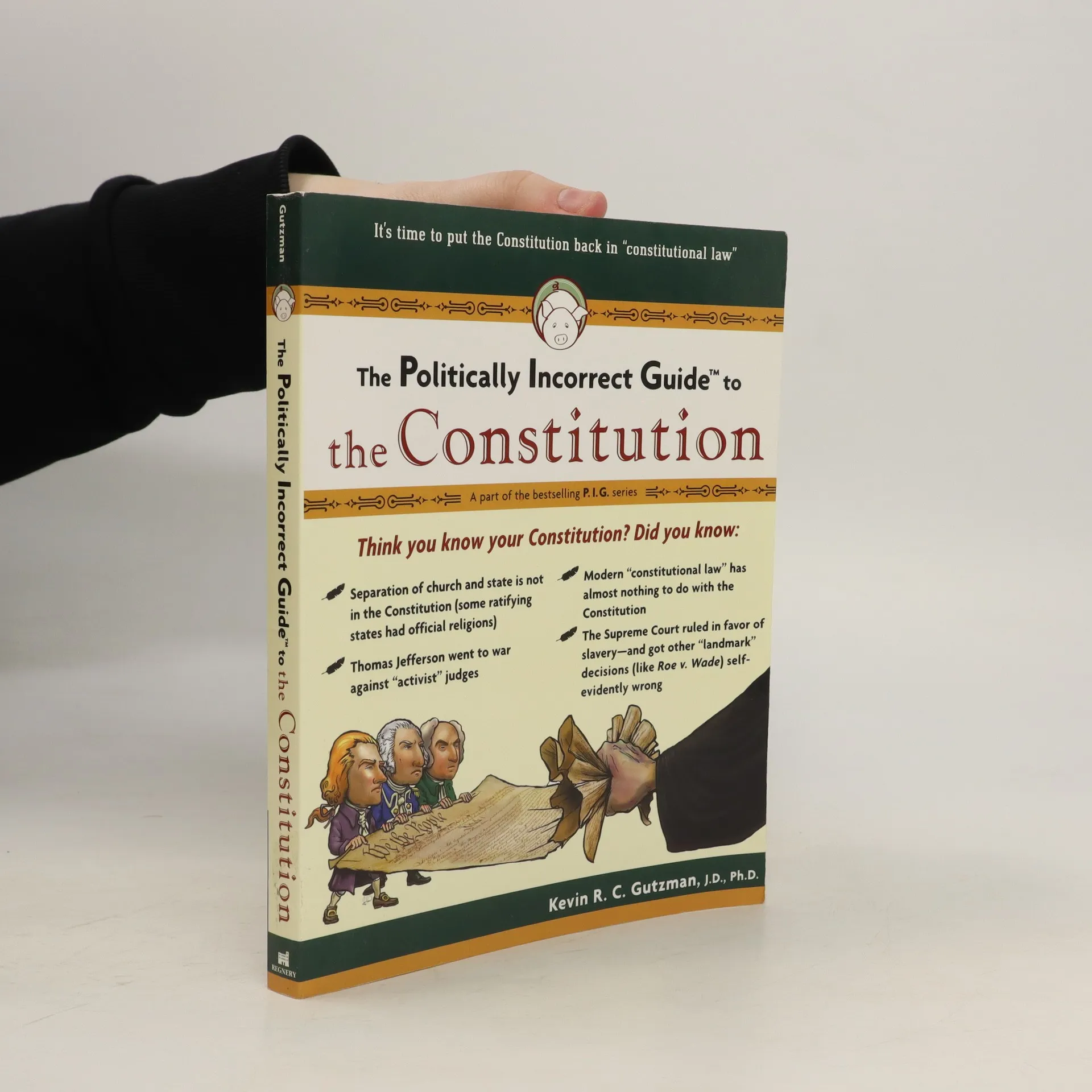
In The Politically Incorrect Guide to the Constitution, readers will follow the Supreme Court as it uses the Constitution as a fig leaf to cover its blatant seizing of the people's right to govern themselves through elections. Gutzman unveils the radical inconsistency between constitutional law and the rule of law, and shows why and how the Supreme Court should be reined in to the proper role assigned to it by the Founders.
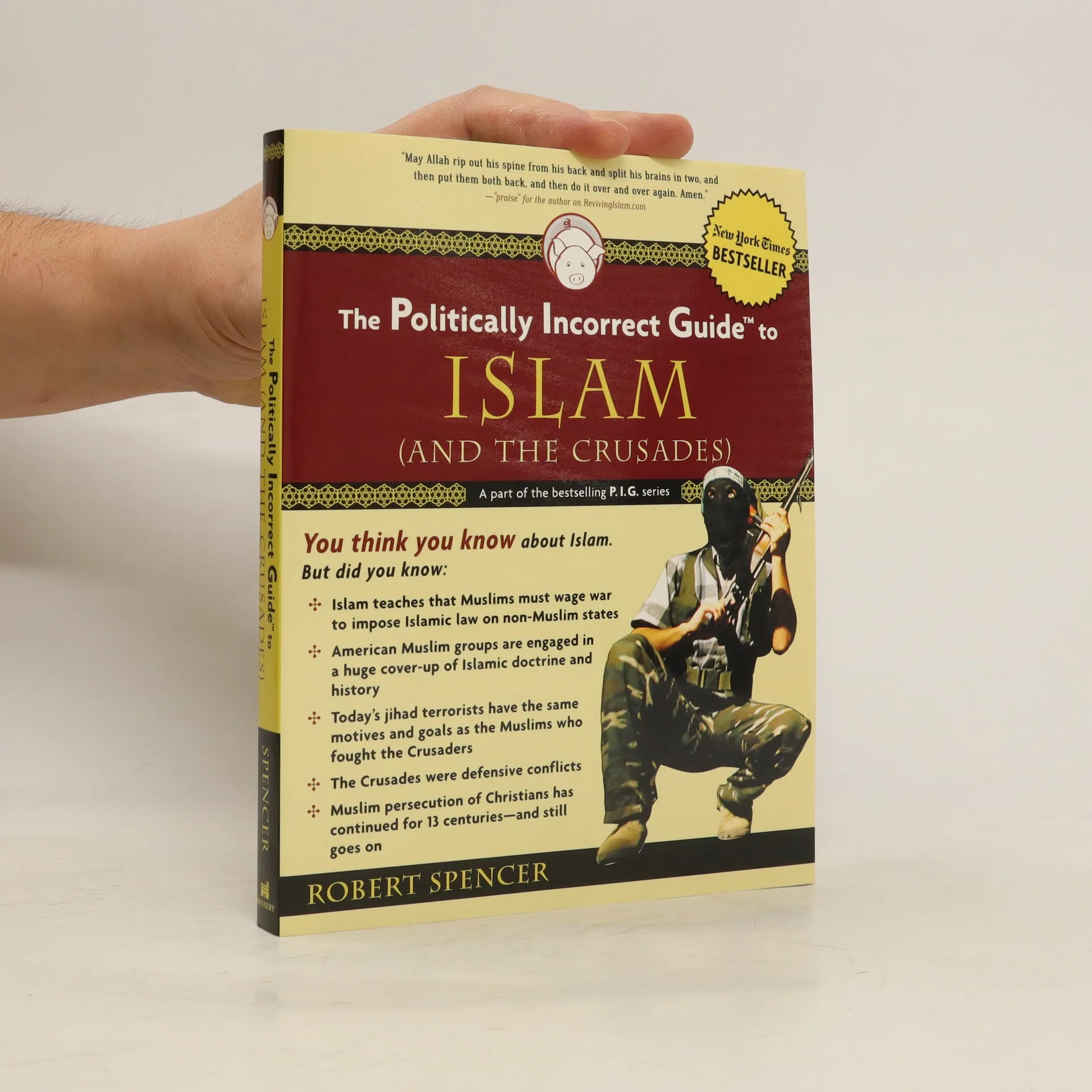
Presents a critical analysis of the differences between Christianity and Islam and maintains that Islam contains a political agenda which endorses violence and aggression against non-Muslims.
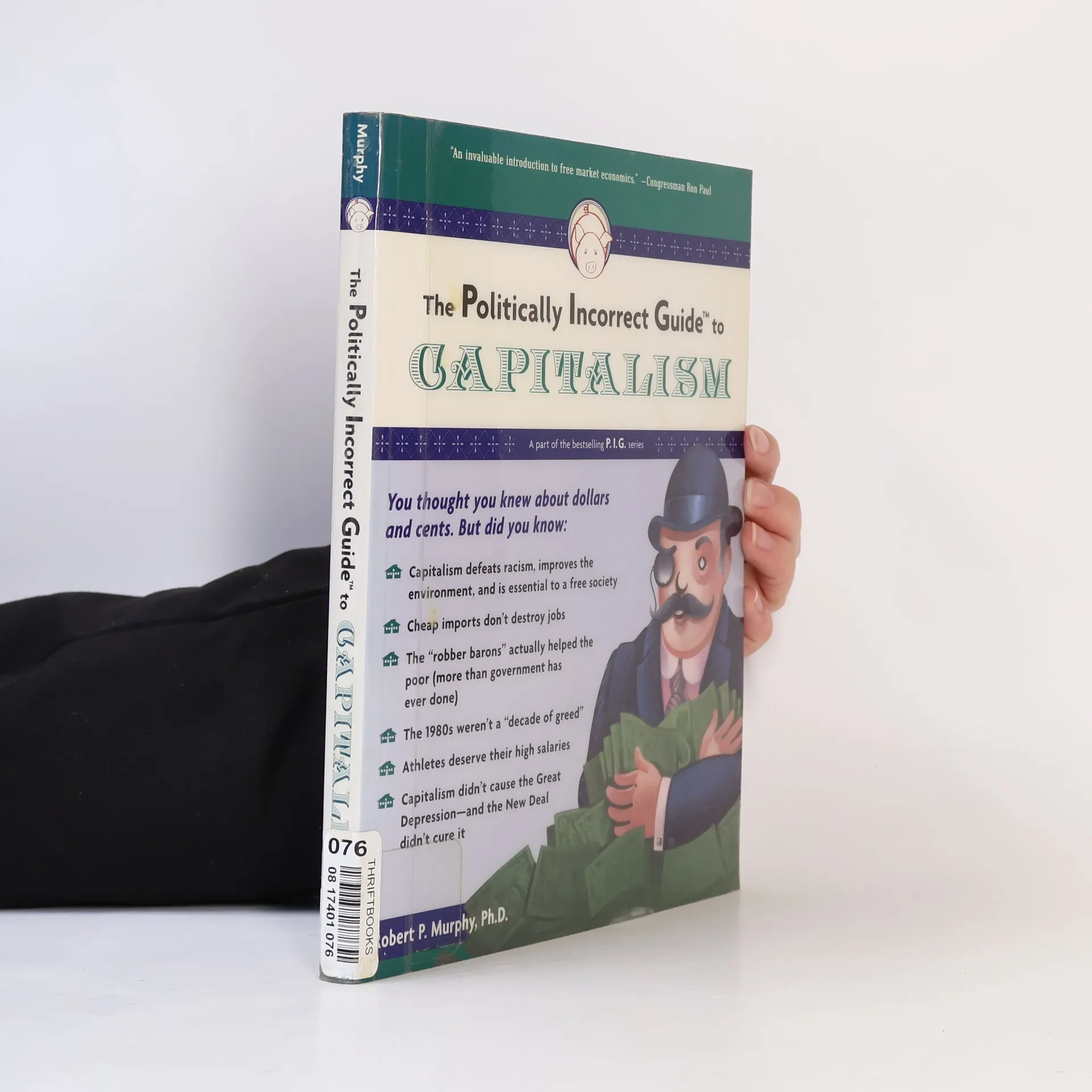
Most commonly accepted economic "facts" are wrong. The liberal media and educators have distorted public policy with politically correct errors about capitalism and economics. In this insightful guide, myth-busting professor Robert P. Murphy, a scholar at the Ludwig von Mises Institute, dismantles liberal myths and socialist clichés. He begins with a clear explanation of capitalism and tackles hot topics such as outsourcing, which benefits Americans, and zoning restrictions, which do not. Murphy argues that central planning has never succeeded, explains how prices function in a free market, and why socialist policies like rent control fail. He highlights how labor unions can harm workers, the negative impacts of raising the minimum wage, and how a free market combats racism. Additionally, he discusses how capitalism can save the environment, contrasting it with the pollution of Communist countries. He critiques the Welfare State as dehumanizing, addresses myths surrounding government regulation, and explains how tariffs protect privileged workers at the expense of others. Murphy also evaluates the role of the IMF in aiding poor countries. With a witty and precise approach, he provides a twelve-step plan for understanding free market economics, urging conservatives to resist socialization and advocate for capitalism.