

Knihobot

Psaní životů: Etnografické vyprávění

Tato série se noří do hlubin lidské zkušenosti prostřednictvím poutavých etnografických a autoetnografických vyprávění. Zkoumá složité propojení mezi životem a psaním a nabízí intimní pohledy na různé disciplíny humanitních a sociálních věd. Každá kniha je mistrovským dílem, které překračuje hranice mezi teorií a praxí, a nabízí čtenářům inovativní formy vyprávění, které zachycují autentické lidské příběhy.

Therapy, Stand-Up, and the Gesture of Writing
Lessons on Aging and Dying
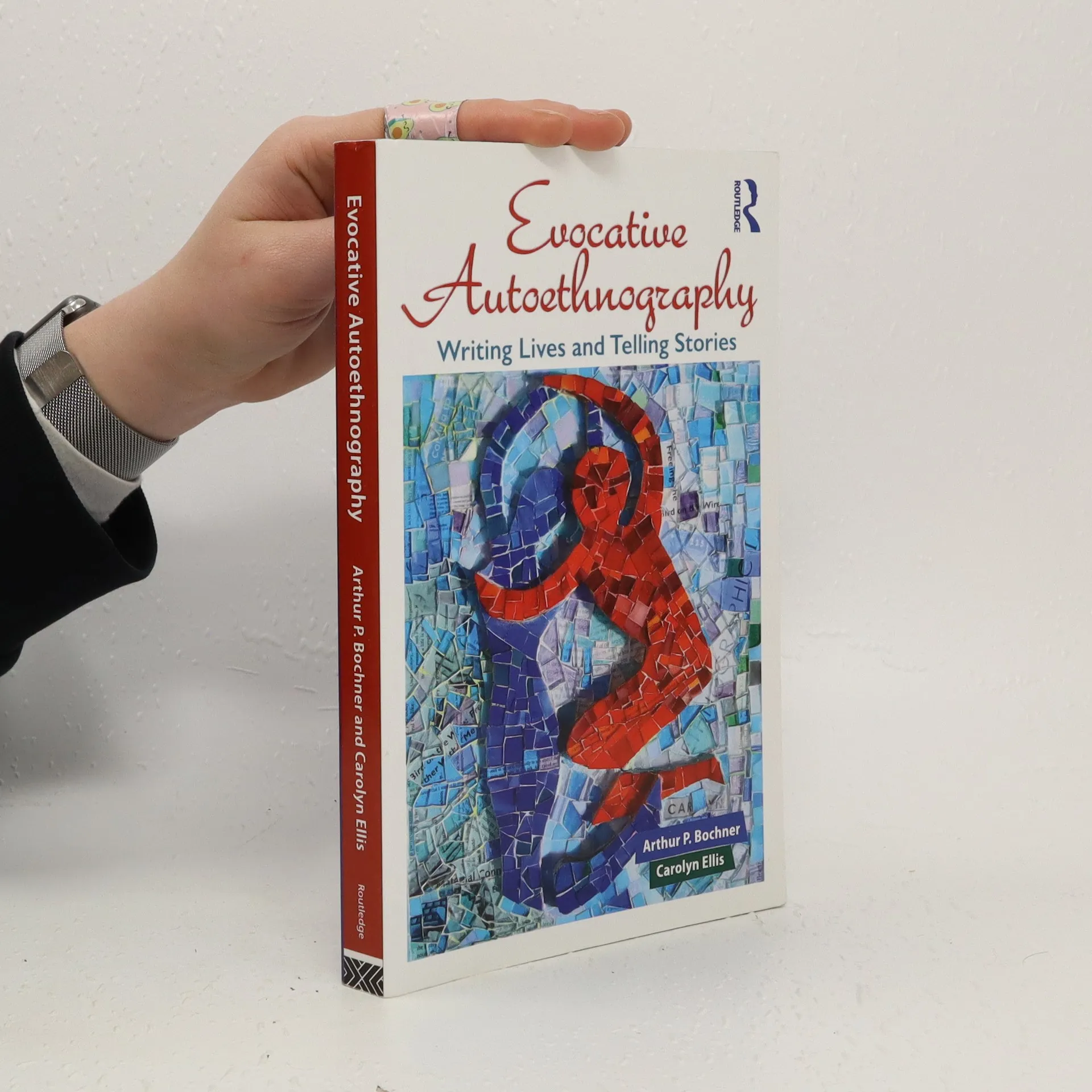
Evocative autoethnography : writing lives and telling stories
  • This comprehensive text is the first to introduce evocative autoethnography as a methodology and a way of life in the human sciences.Written as the story of a fictional workshop, based on many similar sessions led by the authors, it incorporates group discussions, common questions, and workshop handouts.

    Evocative autoethnography : writing lives and telling stories
    5,0
  • Lessons on Aging and Dying

    A Poetic Autoethnography

    • 104 stránek
    • 4 hodiny čtení

    Exploring the profound themes of aging and mortality, this collection offers a poignant blend of poetry and narrative commentary. It reflects on the experiences of the elderly as they confront the realities of life’s conclusion. Through evocative verses, the author delves into the emotional landscape of aging and dying, providing insight and resonance for readers navigating similar journeys.

    Lessons on Aging and Dying
  • Therapy, Stand-Up, and the Gesture of Writing

    Towards Creative-Relational Inquiry

    • 214 stránek
    • 8 hodin čtení

    Exploring the intersection of therapy and stand-up comedy, the book offers an autoethnographical perspective that highlights how these narratives inform and reflect one another. Through a theoretical lens rooted in Deleuze and Guattari, it delves into new materialisms and affect theory, providing a unique framework to understand the emotional and material dimensions of storytelling. This innovative approach invites readers to reconsider the therapeutic potential of humor and the expressive power of writing.

    Therapy, Stand-Up, and the Gesture of Writing