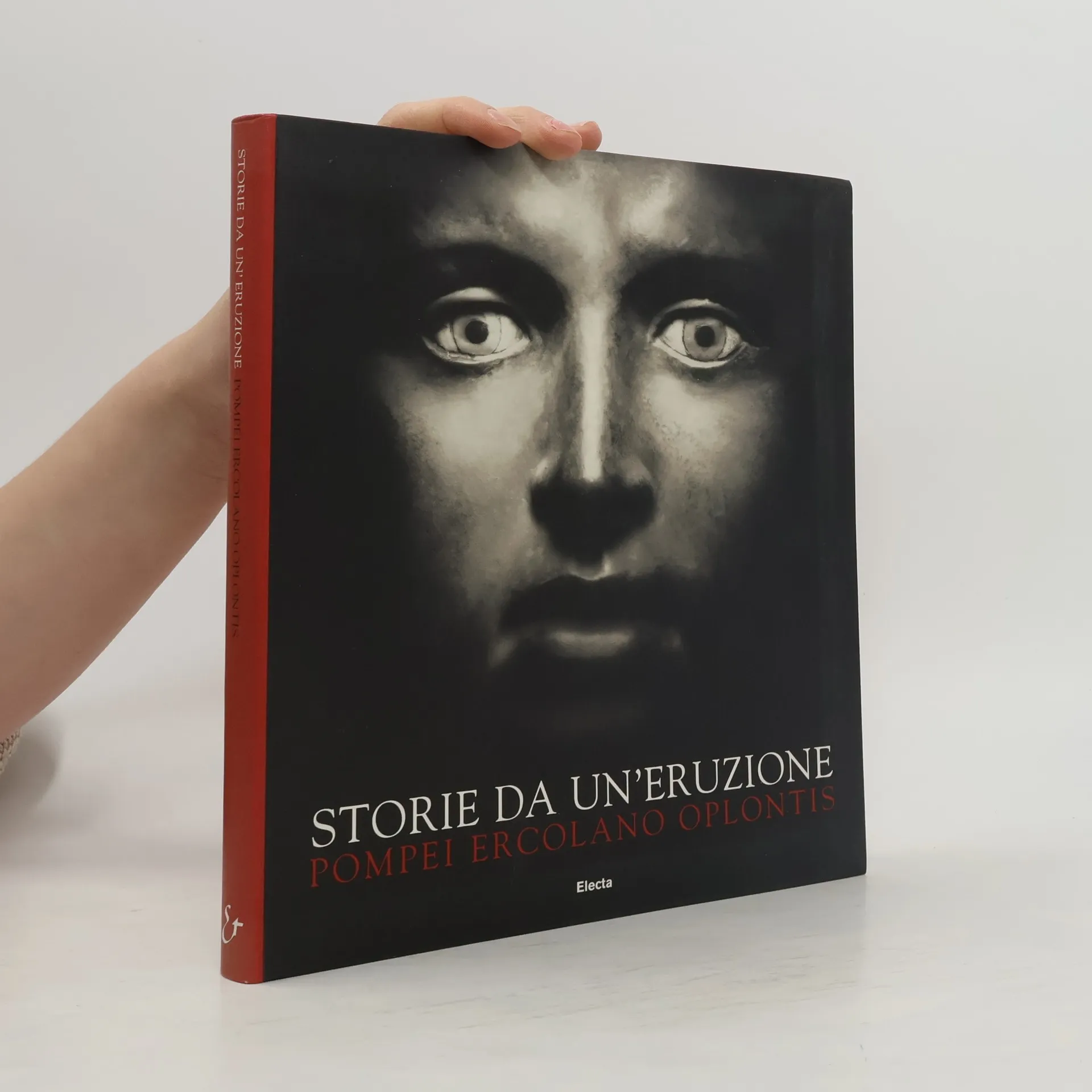
"About two thirds of Pompeii has been unearthed from the volcanic ash that buried the city, revealing treasures from all strata of society; wealthy Romans to craftsmen and slaves, many whom died with the objects they chose to take while trying to escape the volcano."
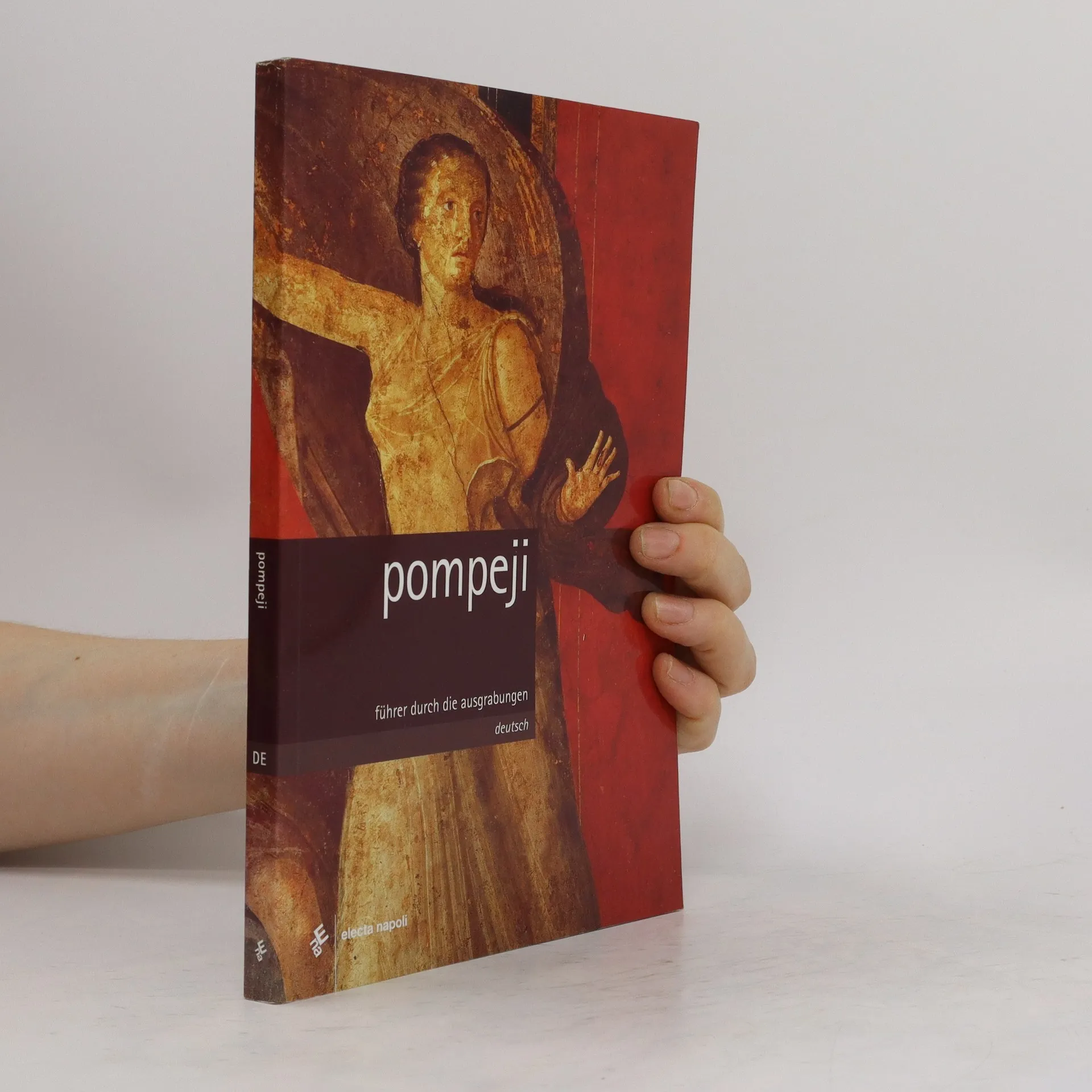
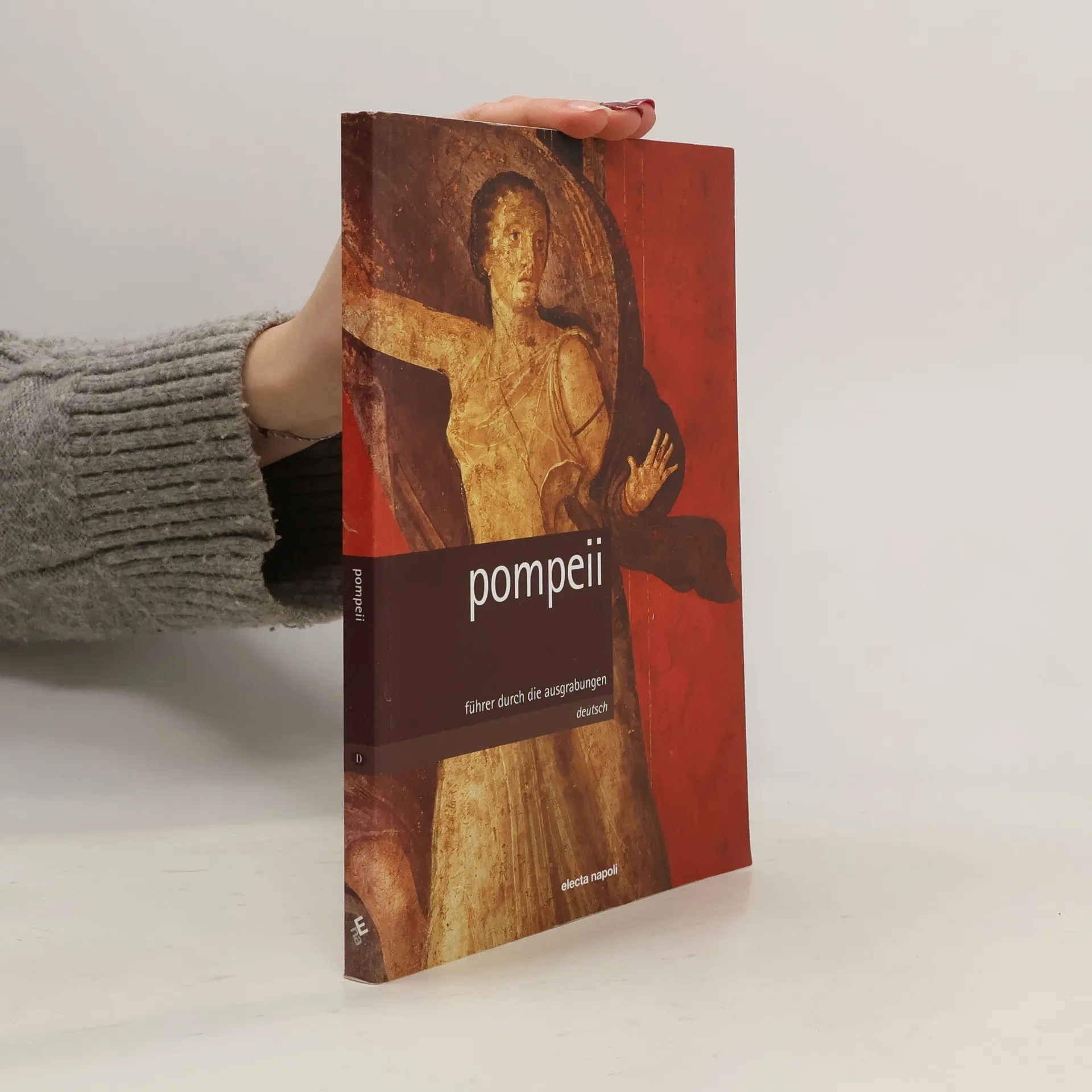
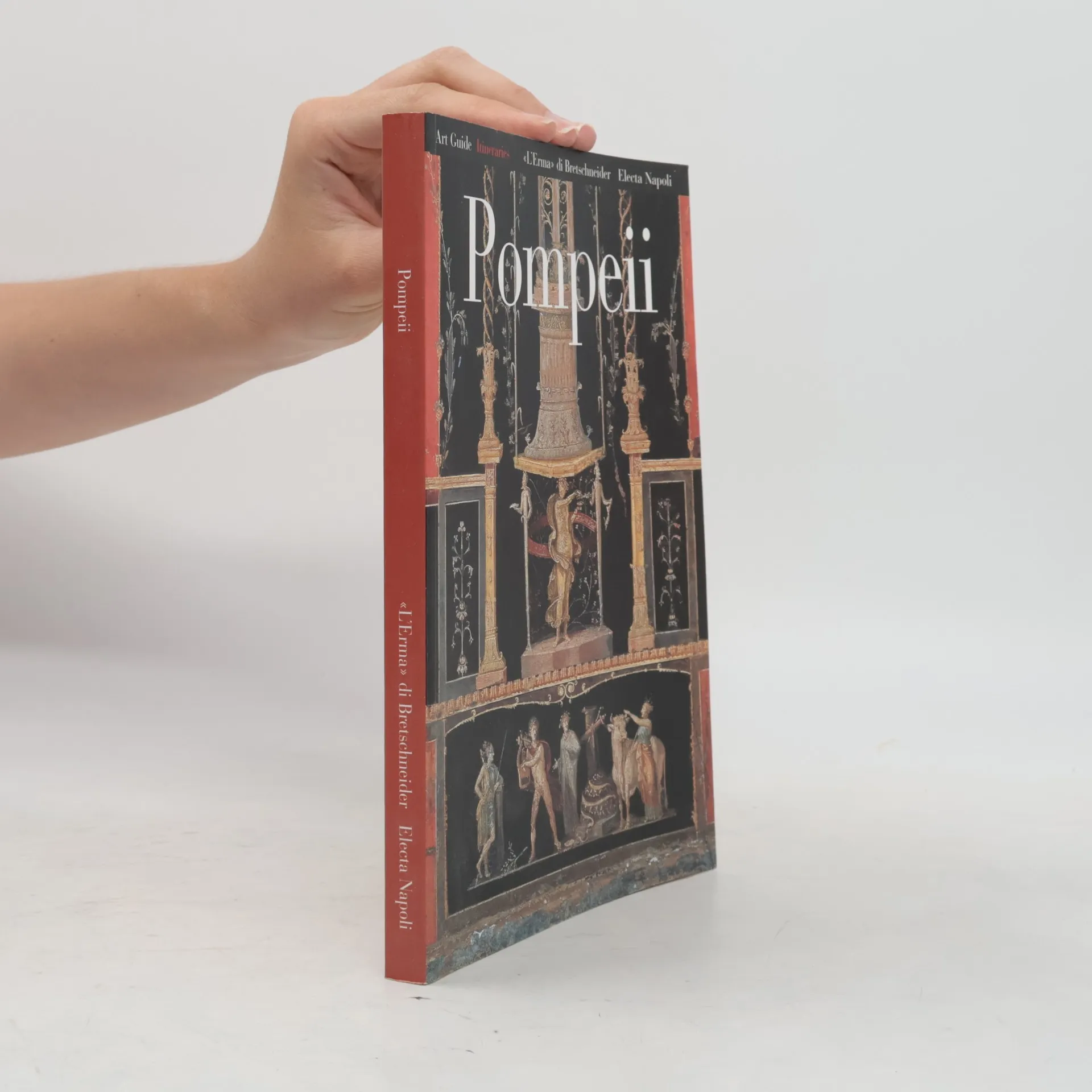
Since its discovery in the middle of the eighteenth century, Pompeii has aroused the interest of scholars and laypeople alike. The thrill of finding the ancient city--buried by the eruption of Mount Vesuvius in 79 AD--was heightened by the rich history of this Roman town and her people. When the ancient sculptures, decorations, and buildings of Pompeii first came to light, they were eagerly compared with then-contemporary knowledge of classical antiquity, and still today are immensely important in understanding ancient Roman civilization. This comprehensive guide features an insightful history of Pompeii along with beautiful photographs of the ruins, frescoes, and art objects of the city. Pompeii is toured via three itineraries: from Porta Marina to the House of Ceii; from Via dell'Abbondanza to Porta Nocera; and from the House of Julius Polibius to the Villa of the Mysteries. A thematic index and an index of places and buildings are also included, making this a useful guide for travelers, students, scholars, and anyone else with an interest in this fascinating site.
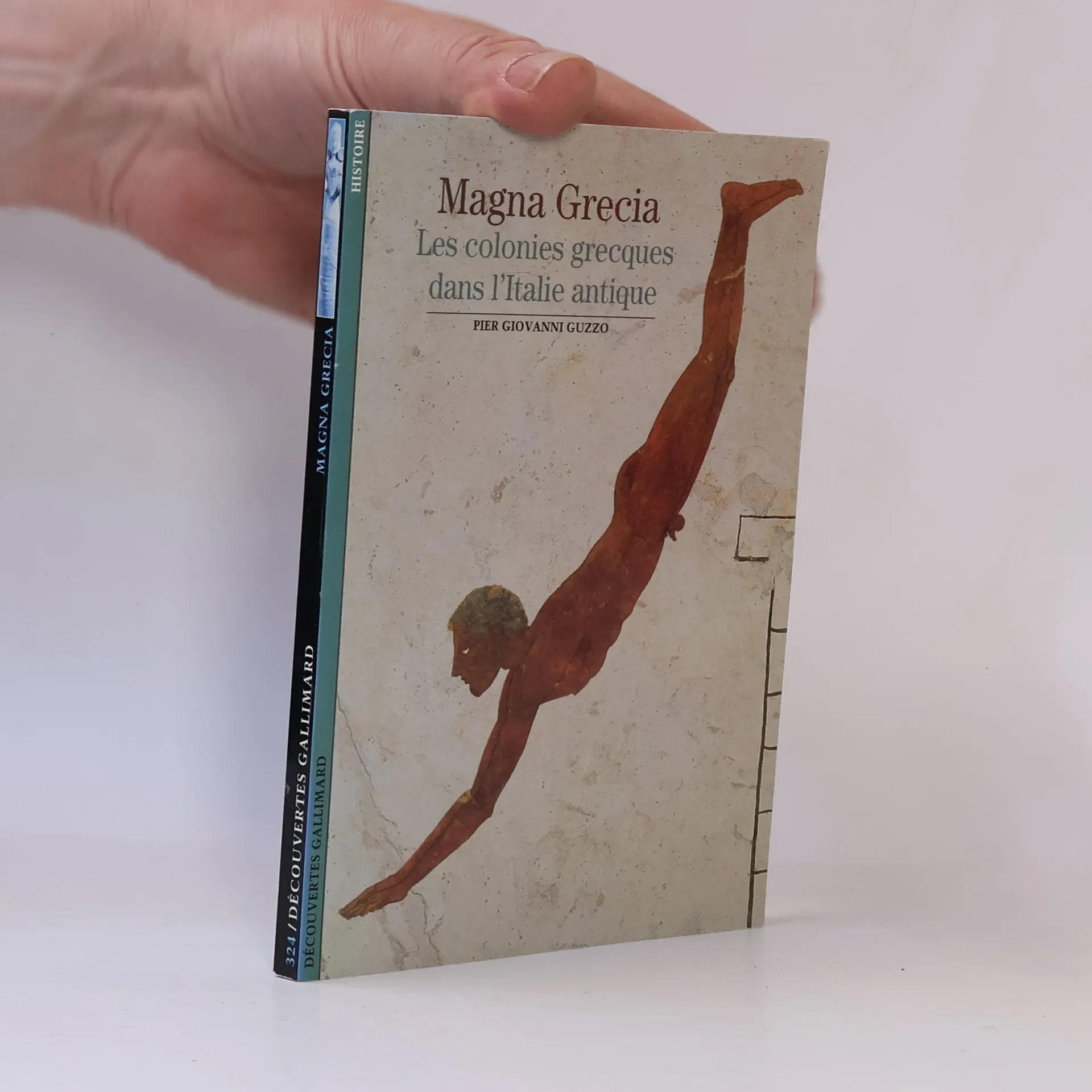
À l'aube du VIIIe siècle avant notre ère, la Grèce archaïque est en crise, tant politique qu'économique. L'expansion coloniale en Méditerranée fournira une manière de réponse à la surpopulation et aux tensions qui menacent l'édifice social. Des communautés entières s'expatrient pour s'établir sur les rivages fertiles de l'Italie du Sud. Pithécusses, Cumes, Sybaris, Crotone, Tarente, Rhegion, Métaponte et Poseidonia, les nouvelles cités, asseoient bientôt leur richesse sur l'agriculture et le trafic commercial. Fortes de leur position géographique, elles font de la région la plaque tournante des échanges méditerranéens. Au contact des populations autochtones, les Italiques, une civilisation originale s'épanouit sur ces terres connues dans toute l'Antiquité sous le nom de Grande Grèce. L'aventure durera six siècles.
Ministero per i beni e le attività culturali, Soprintendenza archeologica di Pompei; Regione Campania, Assessorato ai beni culturali; Regione Campania, l'arte conta. Pubblicato contemporaneamente in inglese con il titolo.: Tales from an Eruption: Pompeii Herculaneum Oplontis.