Gary Marcus se zaměřuje na původ a povahu lidské mysli a svými vlivnými publikacemi se zabývá složitostí lidského poznání. Jeho práce, často se objevující v předních vědeckých časopisech a široce přístupných médiích, zkoumá, jak mysl funguje a jak se vyvíjí. Marcusův přístup kombinuje hluboké vědecké zkoumání s jasnou komunikací, což čtenářům umožňuje porozumět nuancím lidské psychiky.
"Two leaders in the [artificial intelligence] field offer a compelling analysis of the current state of the art and reveal the steps we must take to achieve a truly robust artificial intelligence." -- From book jacket
On the eve of his fortieth birthday, renowned cognitive scientist Gary Marcus decided to fulfil a lifelong dream and learn to play the guitar. He had tried many times before – failing miserably. This time, he decided to use the tools of his “trade” to see if he might suceed. On his quest he jams with twelve-year-olds and takes master classes with guitar gods. A groundbreaking exploration of the allure of music, Guitar Zero is also an empowering case for the mind’s ability to grow throughout life.
Baustelle Gehirn.Warum logisches Denken eher Glückssache ist. blickt - ein Flickwerk aus alten und neuen Strukturen, die sich andauernd in die Quere kommen. Zum Beispiel bei ökonomischen Entscheidungen, denn die Programme fu¨r den vermeintlich rationalen Umgang mit Tauschwerten (heute vor allem Geld) sind direkt mit den Instinkten der Nahrungsbeschaffung verknu¨pft. Kann man etwas gegen neuronale Kurzschlu¨sse tun? Ja. Zum Beispiel kein vages Ziel setzen (»Ich will sechs Pfund abnehmen«), sondern konkrete Wenn-dann-Pläne entwickeln (»Wenn ich Pommes frites sehe, werde ich sie nicht essen«). Warum das besser ist? Weil das Stammhirn, das nach den Fritten lechzt, auch gut mit Wenn-dann-Plänen umgehen kann. »inspirierend! ein überraschendes Buch, das einen neuen Blickwinkel schafft.« New York Times Book Review
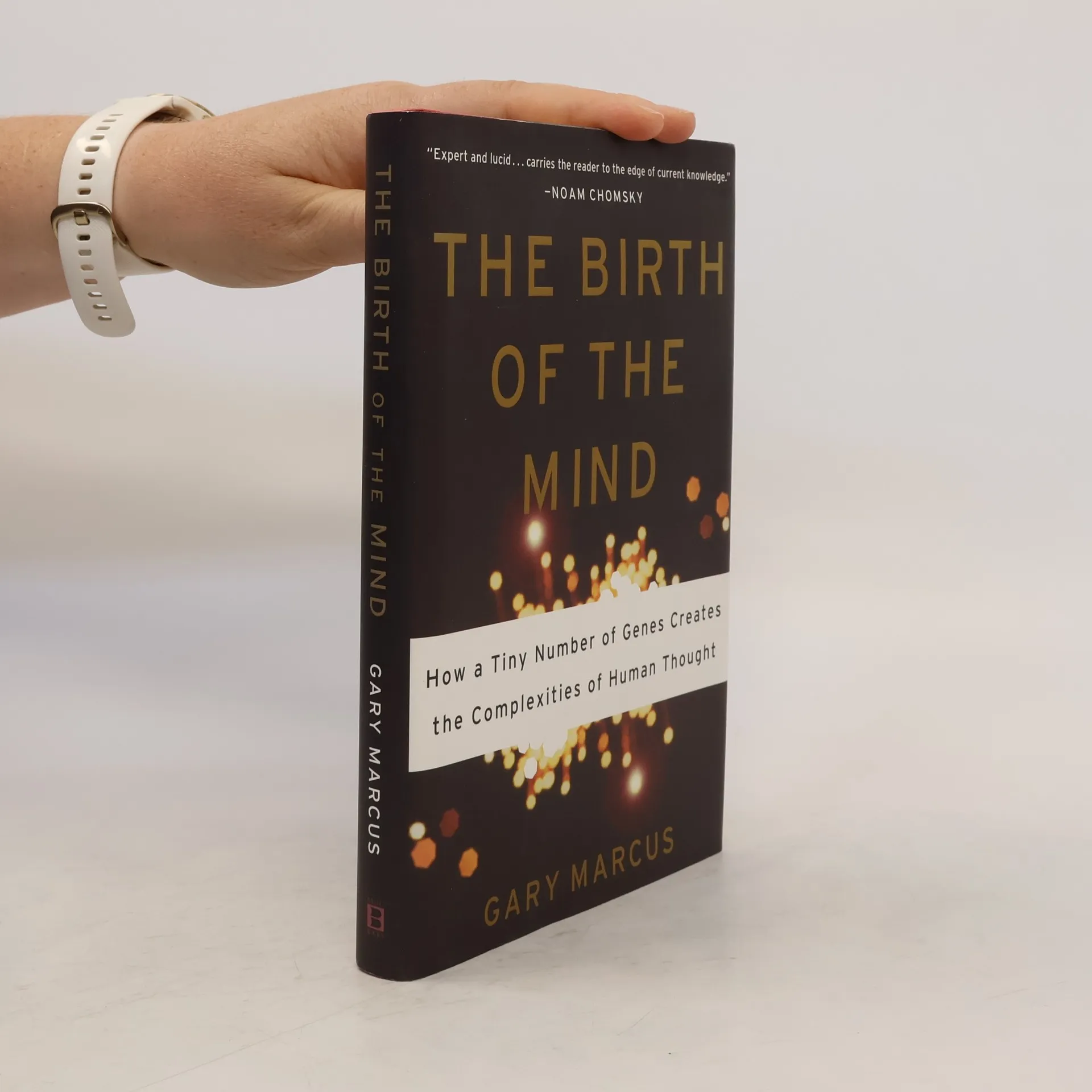
How A Tiny Number Of Genes Creates The Complexities Of Human Thought
296 stránek
11 hodin čtení
A psychologist offers a detailed study of the genetic underpinnings of human thought, looking at the small number of genes that contain the instructions for building the vastly complex human brain to determine how these genes work, common misconceptions about genes, and their implications for the future of genetic engineering. 30,000 first printing.