
Knihobot

Geert Hofstede

    2. říjen 1928 – 12. únor 2020

    Gerard Hendrik Hofstede je vlivný nizozemský autor, který se zabývá interakcemi mezi národními a organizačními kulturami. Jeho práce zkoumá, jak národní a regionální kulturní seskupení ovlivňují chování společností a organizací a jak jsou tyto vlivy v čase velmi postupné. Hofstedeho studie poskytuje hluboký vhled do toho, jak kulturní rozdíly formují naše sociální a profesní světy. Jeho přístup nabízí čtenářům klíč k pochopení komplexních kulturních dynamik, které ovlivňují organizace i celá společenstva.

    Geert Hofstede
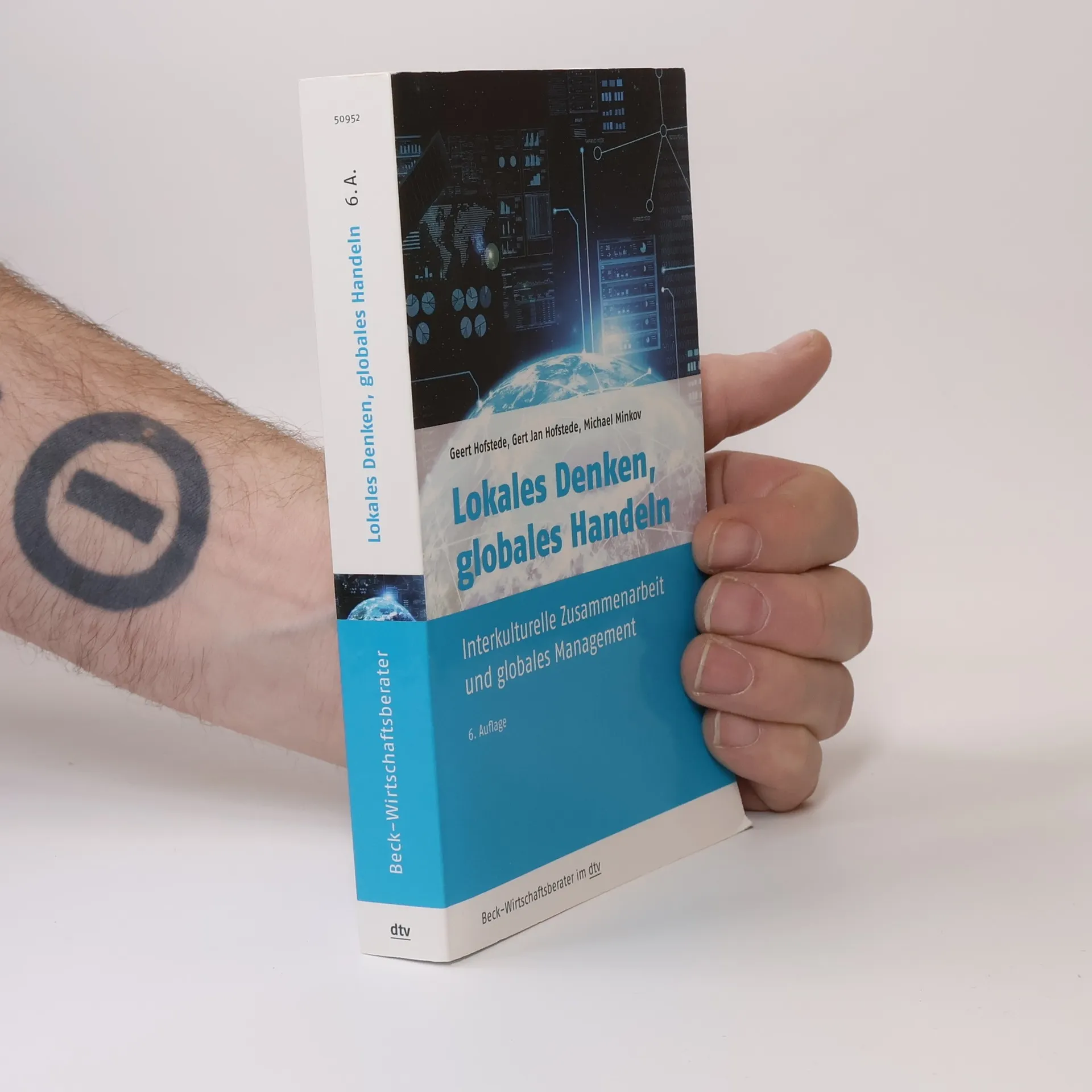
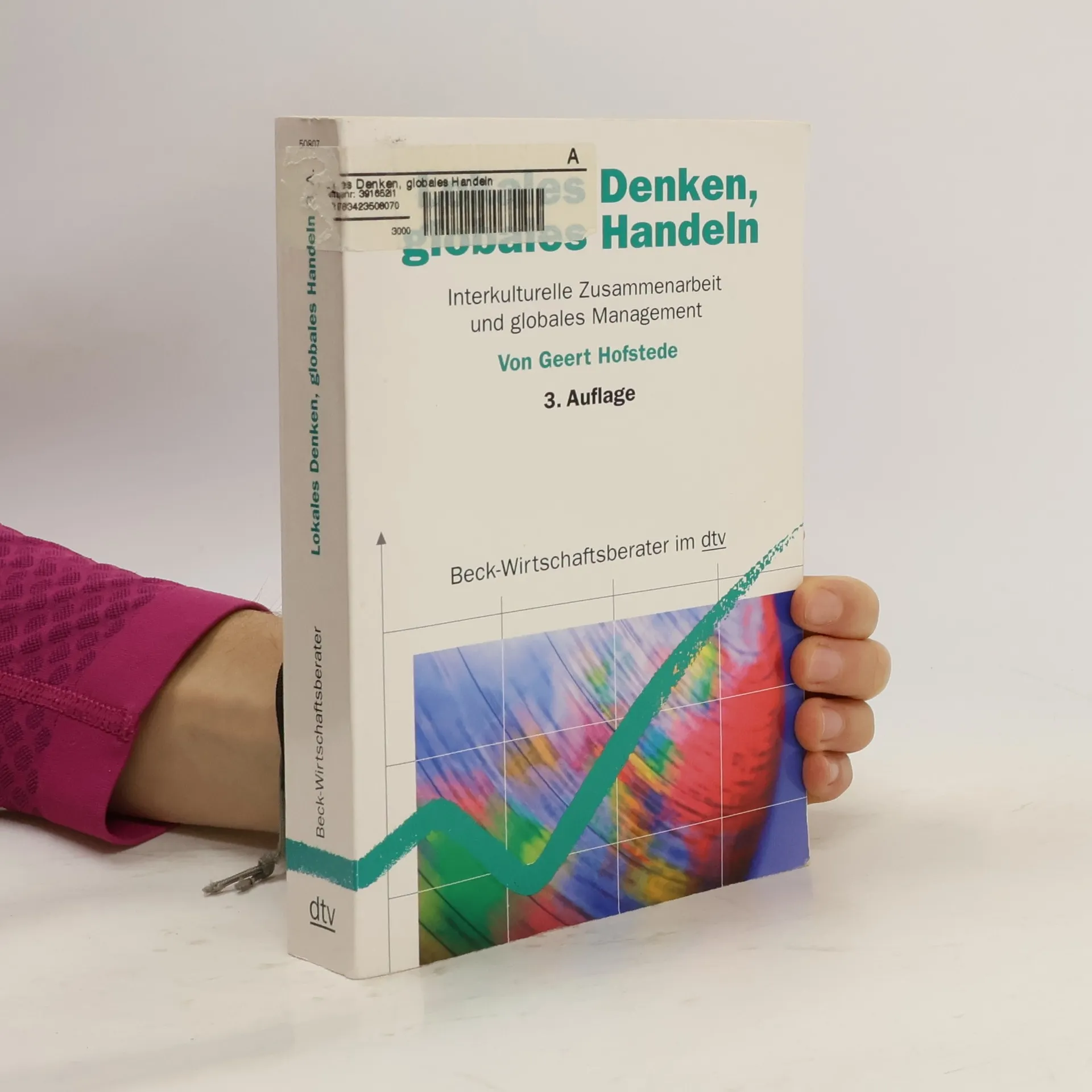
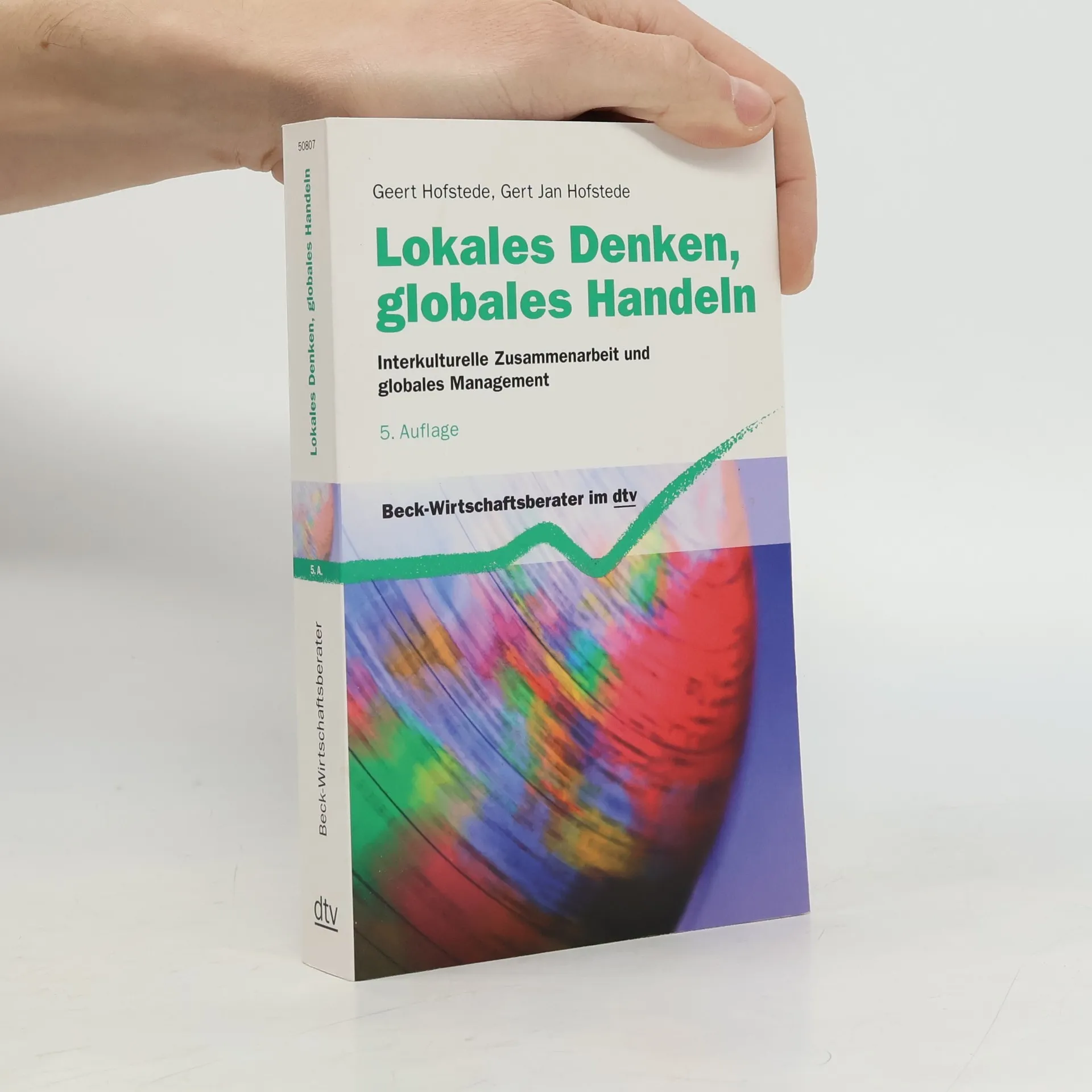
    Lokales Danken, globales Handeln
    Lokales Denken, globales Handeln
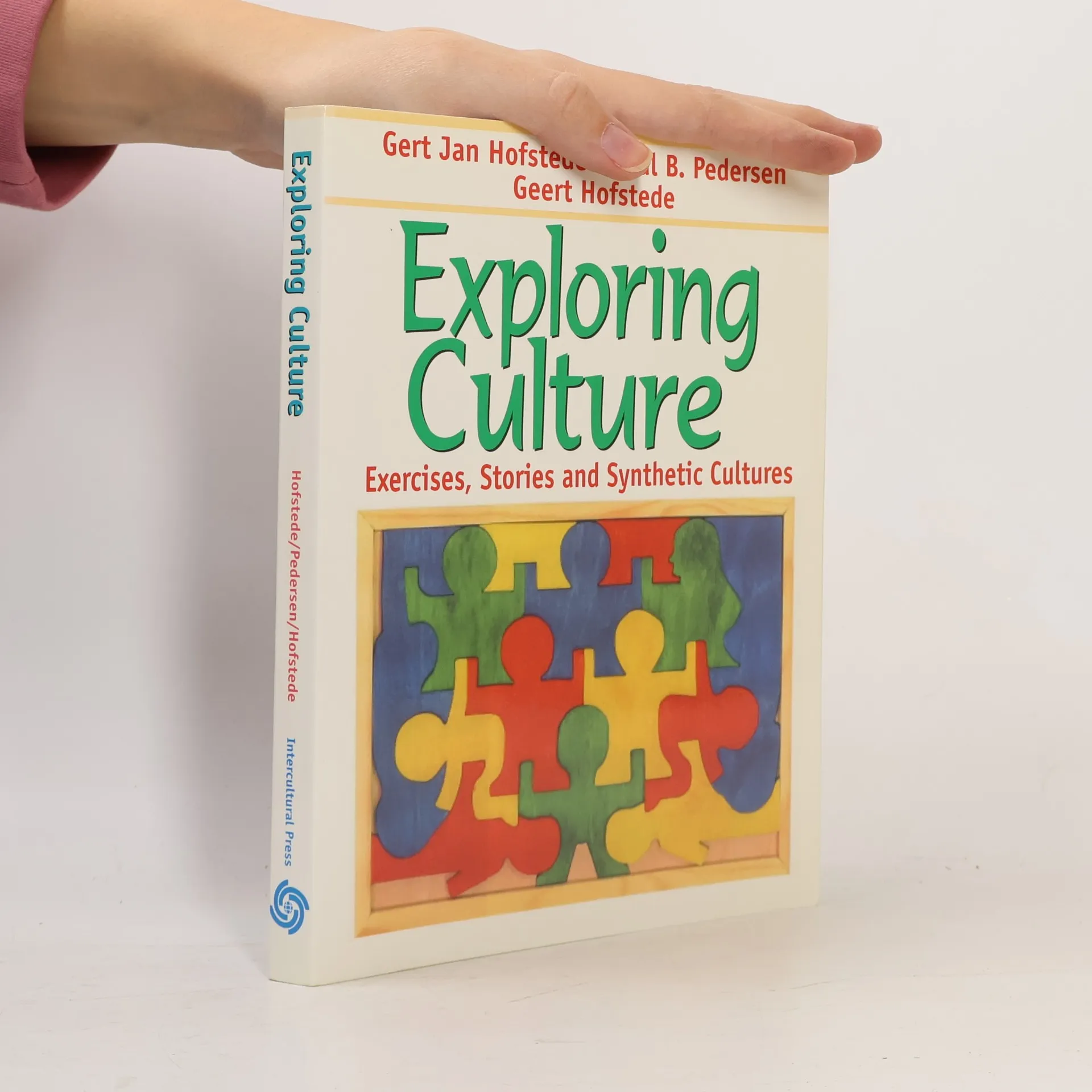
    Exploring culture : exercises, stories and synthetic cultures
    Cultures and Organizations
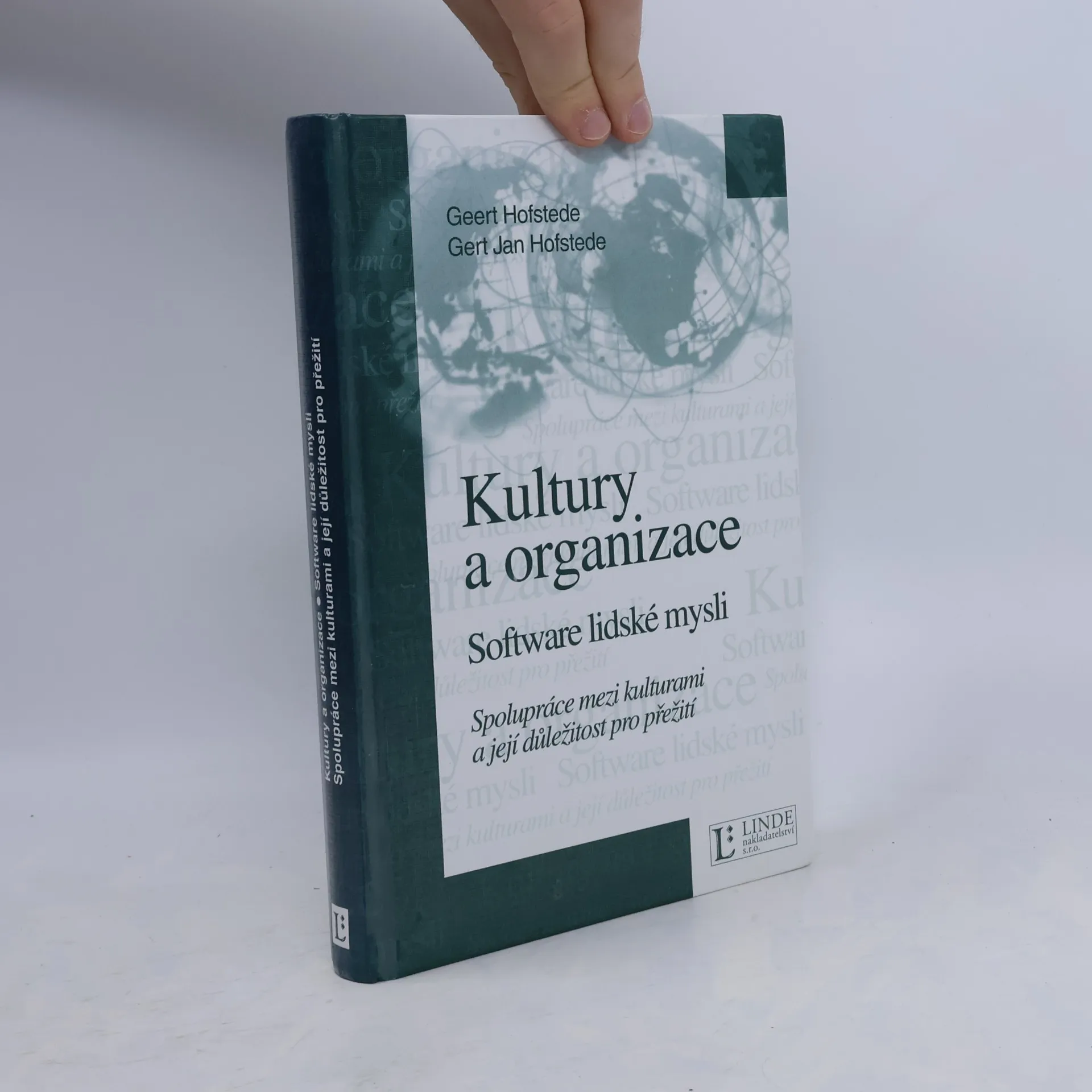
    Kultury a organizace. Software lidské mysli : Spolupráce mezi kulturami a její důležitost pro přežití
    Kultury a organizace. Software lidské mysli
    • Spolupráce mezi kulturami a její důležitost pro přežití. Kniha otce a syna Hofstedeových přináší ucelený a dnes již důkladně ověřený systém, který nám může pomoci pochopit odlišnosti národních kultur a na základě takto dosaženého porozumění dospět k účinnějším postupům vzájemné komunikace. Autoři se zaměřují především na svět průmyslu, obchodu a organizací, avšak neponechávají stranou ani jiné aspekty rozdílů mezi národy, jak se projevují např. ve škole a ve vzdělání, v rodině, v myšlení lidí či v politice.
      Kultury a organizace. Software lidské mysli
    • Cultures and Organizations

      • 320 stránek
      • 12 hodin čtení
      4,2(731)Ohodnotit

      Intercultural cooperation and its importance for survival. People of other countries, of another generation, social class, job or organization, often think and act in ways that puzzle us. To these people, of course, we are the ones who behave in a surprising manner. What separates them from us is the culture in which we grew up. 'Culture' in this sense is not the same as 'civilization'; it encompasses much more. Deeply-rooted and, therefore, often unconscious values lead us to consider as normal what others think abnormal, as polite what to others is rude, and as rational what others find irrational. Organizational cultures are a different phenomenon; they do not follow the same dimensions, are more manageable, and in fact offer an opportunity to bridge national cultures. Following twenty-five years of research into multinational companies, Geert Hofstede and Bob Garrett reveal the circumstances in which organizational cultures can be managed effectively, and outline ways of learning intercultural communication which are essential more essential than ever.

      Cultures and Organizations
    • A guidebook book to Hofstede's five dimensions of culture (power distance, collectivism versus individualism, femininity versus masculinity, uncertainty avoidance and long term versus short term orientation) and derivative synthetic cultures. It provides more than 75 exercises, dialogues, stories and simulations for trainers, educators, and students.

      Exploring culture : exercises, stories and synthetic cultures
    • Lokales Denken, globales Handeln

      • 554 stránek
      • 20 hodin čtení
      4,0(12)Ohodnotit

      "Ich habe nichts gegen Fremde. Einige meiner besten Freunde sind Fremde. Aber diese Fremden da sind nicht von hier!" Der Satz aus dem Asterix-Comic nimmt ironisch aufs Korn, wie wir uns gern selbst zum Maß aller Dinge machen. Aus Sicht der jeweils anderen Nationen sind Südländer faul, Deutsche humorlos und Niederländer geizig. Manche Stereotype sind so mächtig, dass die Typisierten sie gleich selbst übernehmen. Geert Hofstede geht einen anderen Weg: Anhand einer quantitativen Studie definiert er fünf Dimensionen nationaler Kulturen und entwirft eine kulturelle Landkarte, die uns vor peinlichen Missverständnissen und kostspieligen Fehlentscheidungen bewahren soll. Für den Ansatz, Kultur in Zahlen aufzuwiegen, wurde er kritisiert, und einige seiner Schlussfolgerungen wirken heute, mehr als 25 Jahre nach Erscheinen des Buches, überholt. Dennoch empfiehlt getAbstract dieses Grundlagenwerk allen, die mit Angehörigen fremder Kulturen zusammenarbeiten

      Lokales Denken, globales Handeln
    • Wie unsere Herkunft das Denken, Fühlen und Handeln beeinflusst: Die Polarisierung der Welt ist heute bedenklicher als am Ende des Kalten Krieges, trotz freiem Handel und digitaler Technik, durch die eine globale Verbundenheit zustande kam, von der Science-Fiction-Autoren vor 50 Jahren nicht einmal träumten. Woran liegt es aber, dass Menschen getrennte Wege gehen, wenn doch Kooperation so klar in jedermanns Interesse liegt? Sind wir eine Spezies, die dazu verdammt ist, sich permanent misszuverstehen und in Konflikt miteinander zu geraten? Sie finden die Antworten in diesem Buch. Dieser Atlas für kulturelle Werte basiert auf über 30-jähriger Forschung über mehr als 70 Länder. Gleichzeitig beschreibt das Buch eine revolutionäre Theorie des kulturellen Relativismus und seiner Anwendungsmöglichkeiten in verschiedenen Berufen.

      Lokales Danken, globales Handeln
    • Przełomowe wyniki badań nad kulturami narodowymi, prowadzonych przez czterdzieści lat w ponad siedemdziesięciu krajach – nowe wymiary i interpretacje W jaki sposób miejsce i kultura, w których dorastamy, wpływa na to, jak myślimy, co czujemy i jak się zachowujemy? Dlaczego postrzegamy innych jako wrogów, gdy współpraca leży w naszym wspólnym interesie. Autorzy, Geert Hofstede, Gert Jan Hofstede i Michael Mankiv, najnowszego, poszerzonego wydania książki Kultury i organizacje analizują mechanizmy rządzące współczesnymi zjawiskami społecznymi, sięgając do korzeni kultur narodowych. Kultury i organizacje to fascynująca podróż po kulturach, podczas której poznamy: · zasady rządzące „wspólnotami moralnymi”, · różne podejścia do nierówności społecznych, odmienności, niepewności, asertywności i skromności, · różnice między kulturami organizacyjnymi a kulturami narodowymi, · mechanizmy rządzące stereotypami i różnicami językowymi, · kulturowe korzenie kryzysu 2008 roku.

      Kultury i organizacje