Jerome Bruner byl americký psycholog, který stál u zrodu kognitivní psychologie. Jeho práce se zaměřovala na vývojovou, vzdělávací a právní psychologii, přičemž zkoumal sociálně psychologické jevy. Byl průkopníkem v oblasti kognitivních věd a jeho vliv formoval chápání lidského myšlení a učení. Brunerovy poznatky zkoumaly, jak lidé získávají, organizují a využívají informace.
Argues that the idea of the mind as an information processor has led psychology away from seeing the mind as a creator of meanings. Only by breaking out of the limitations of a computational model of mind can we grasp the interaction through which mind constitutes and is constituted by culture.
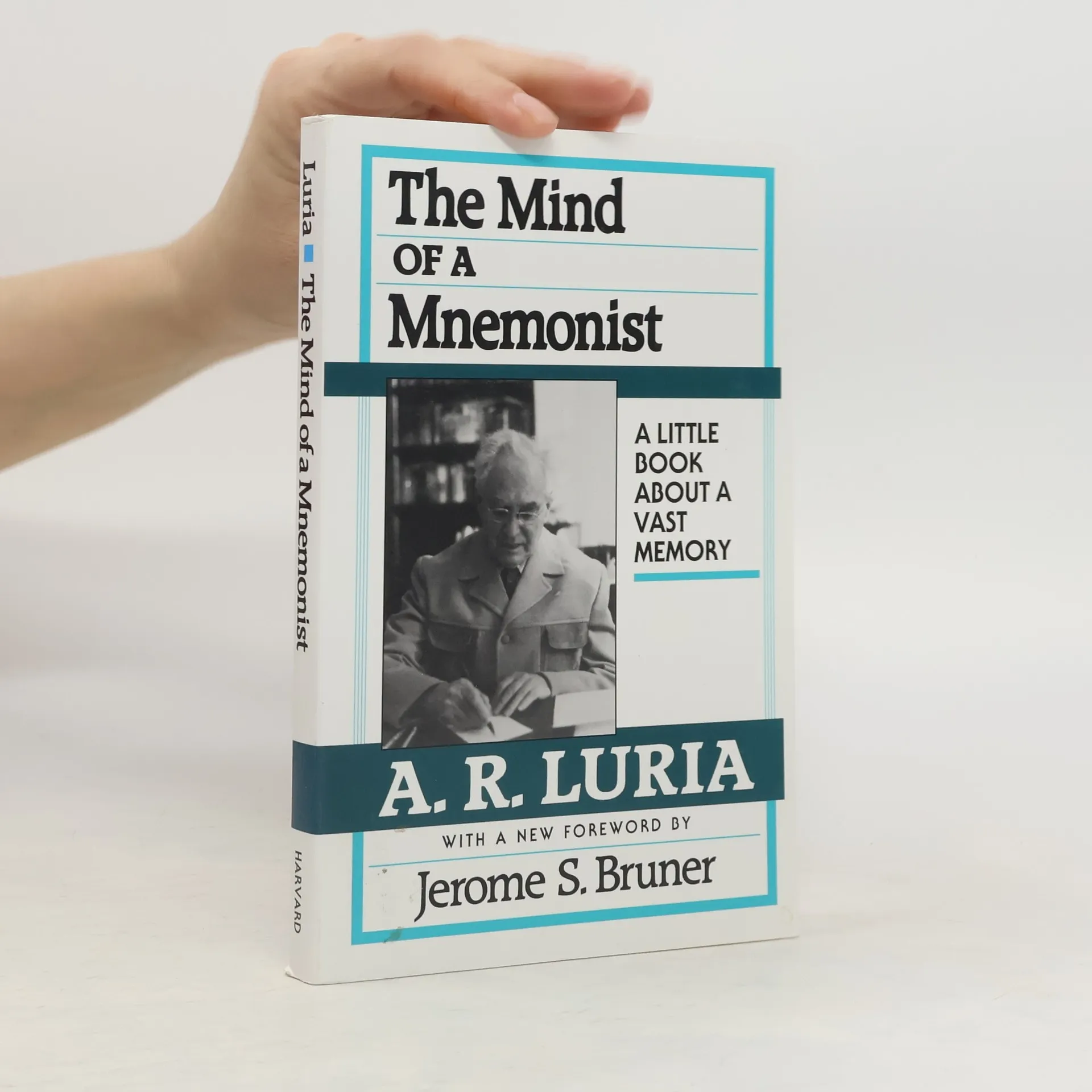
The Mind of a Mnemonist is a rare phenomenon--a scientific study that
transcends its data and, in the manner of the best fictional literature,
fashions a portrait of an unforgettable human being.
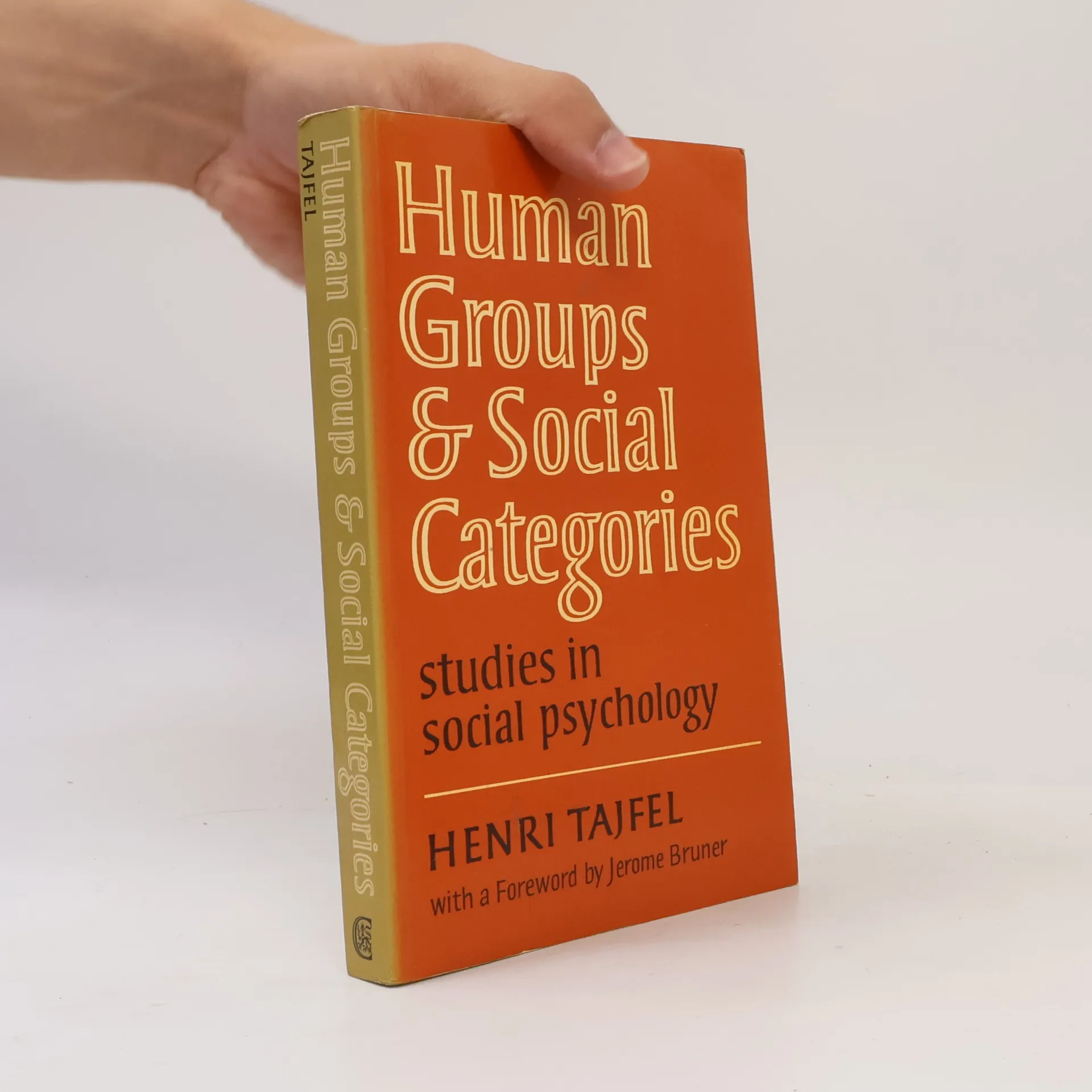
Focusing on Henri Tajfel's influential research, this volume unifies his various studies on social psychology, particularly examining the dynamics of intergroup relations and conflicts. It explores how social identity shapes group behavior and influences perceptions, providing a comprehensive understanding of the psychological mechanisms behind group interactions and tensions.
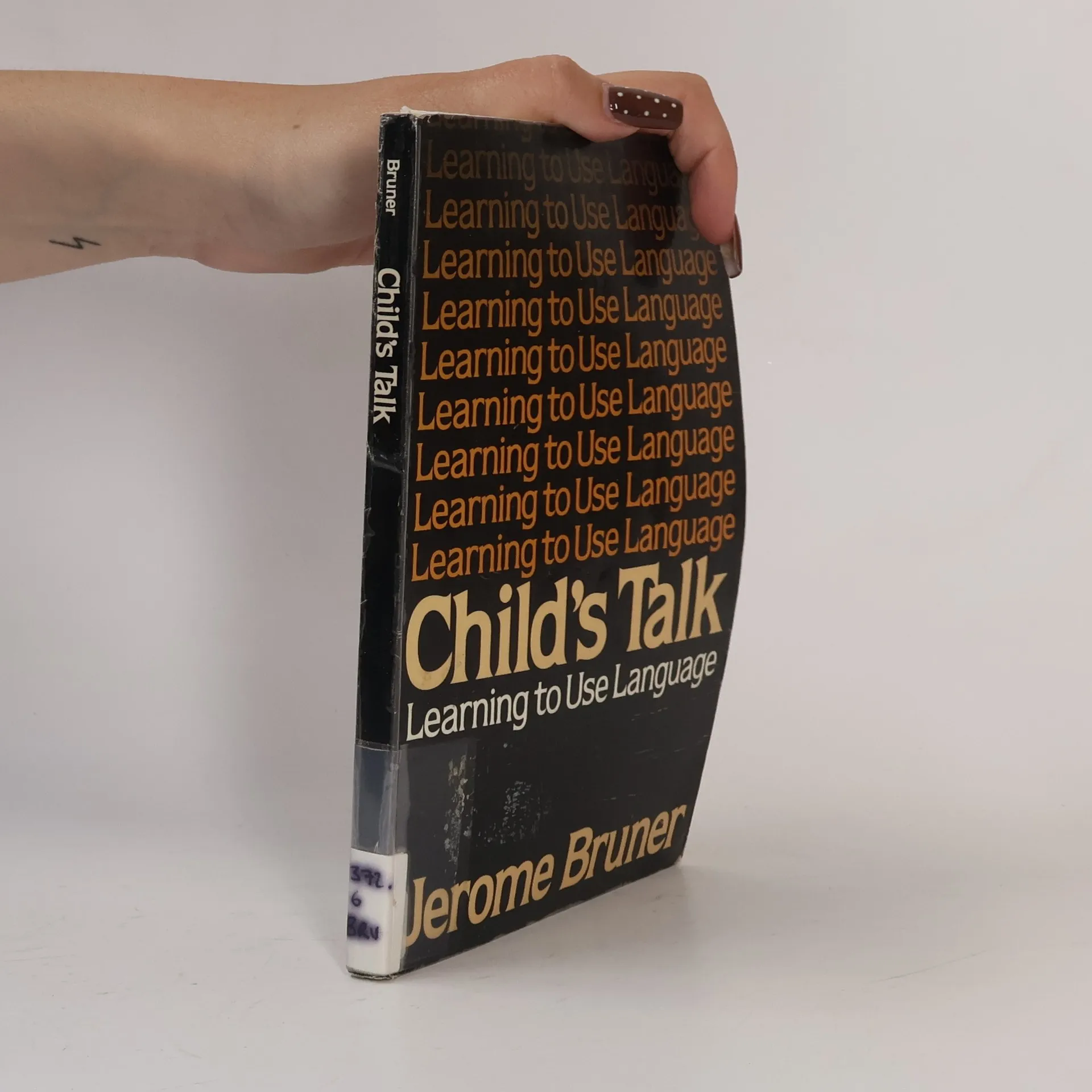
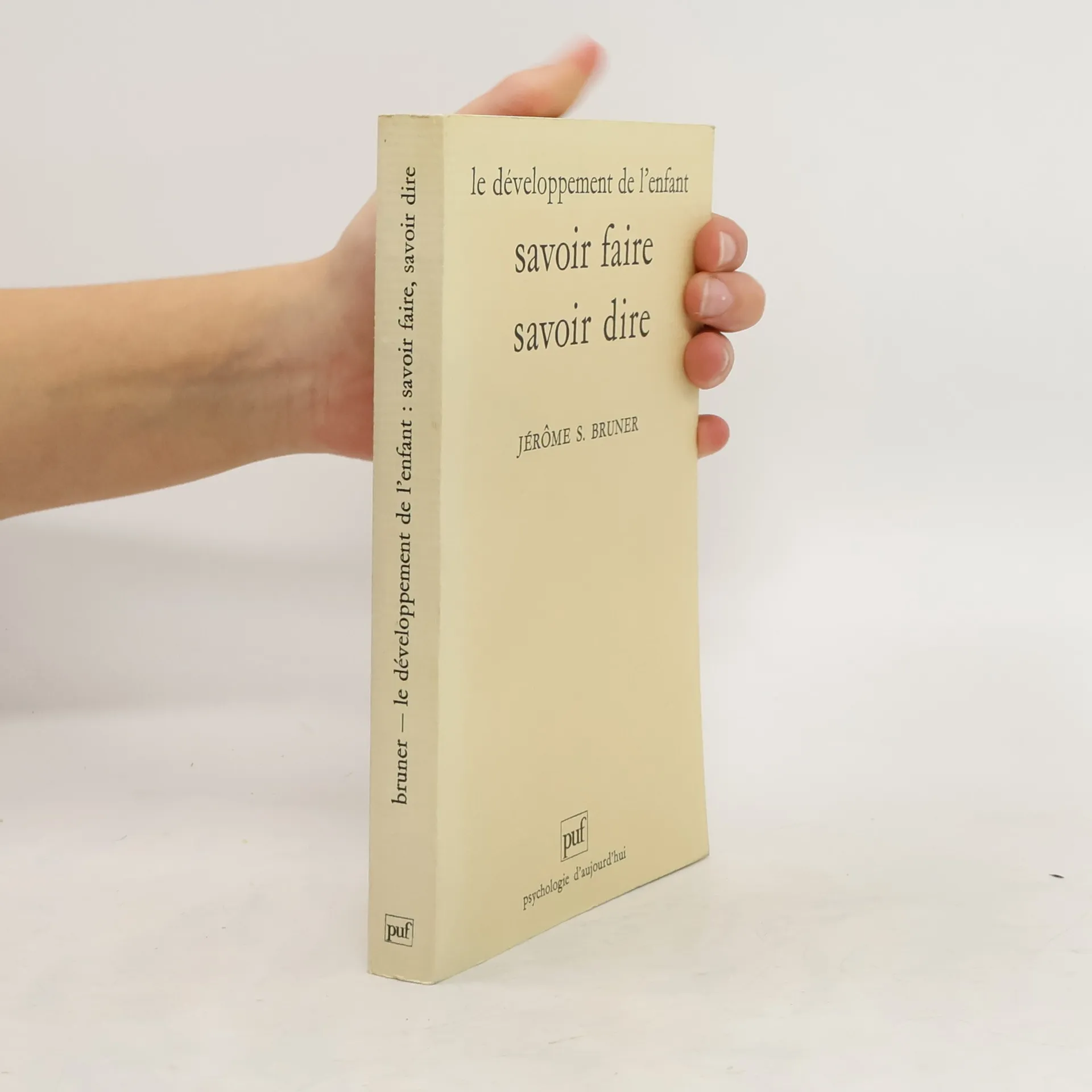
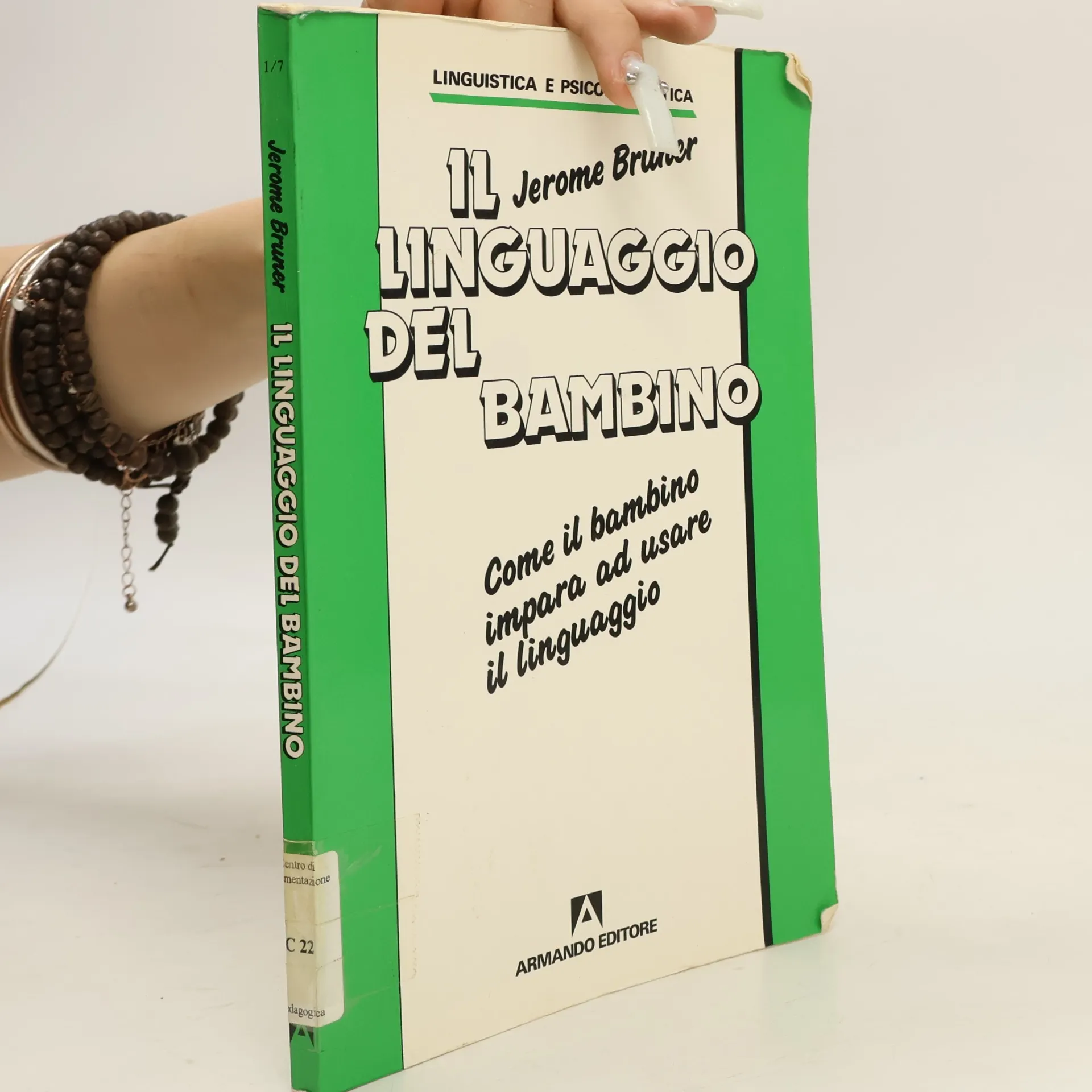
How does a child acquire language, and what may facilitate this learning? In this book, renowned psychologist Jerome Bruner explores the child's most remarkable achievement. To carry out his investigations, Bruner went to "the clutter of life at home," the child's own setting for learning, rather than observing children in a "contrived video laboratory." For Bruner, language is learned by using it. An central to its use are what he calls "formats," scriptlike interactions between mother and child―in short, play and games. What goes on in games as rudimentary as peekaboo or hide-and-seek can tell us much about language acquisition. But what aids the aspirant speaker in his attempt to use language? To answer this, the author postulates the existence of a Language Acquisition Support System that frames the interactions between adult and child in such a way as to allow the child to proceed from learning how to refer to objects to learning to make a request of another human being. And, according to Bruner, the Language Acquisition Support System not only helps the child learn "how to say it" but also helps him to learn "what is canonical, obligatory, and valued among those to whom he says it." In short, it is a vehicle for the transmission of our culture.
Ein berühmter Psychologe wollte mehr darüber wissen, wann und wie das Kind die Sprache erwirbt: Er stellt fest, dass dieser Lernprozess eingebettet ist in ein 'System der Weitergabe unserer Kultur': Nach Bruner lernt das Kind nicht nur, wie es sich ausdrücken soll, sondern auch und gleichzeitig, welche Normen und Werte unter denen gelten, an die es sich mit seinen Worten wendet.